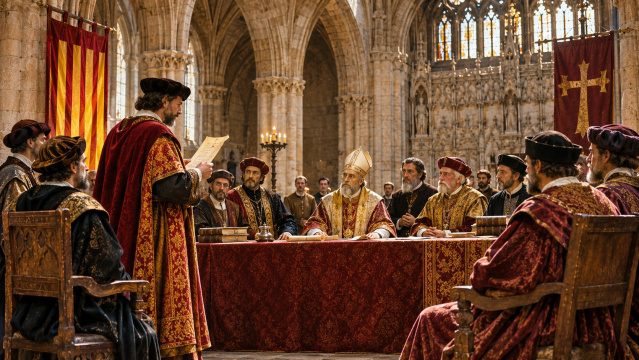
TORTOSA AND THE COMPROMISE OF CASPE
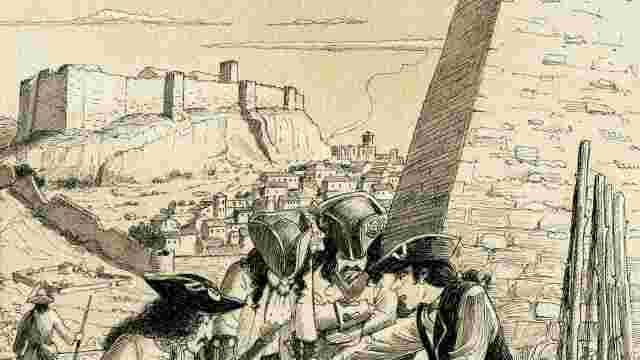
Tortosa played an important role in the Compromise of Caspe, the political process that led to the election of a new monarch for the Crown of Aragon following the death of Martin the Humane in 1410, without a surviving heir to succeed him.
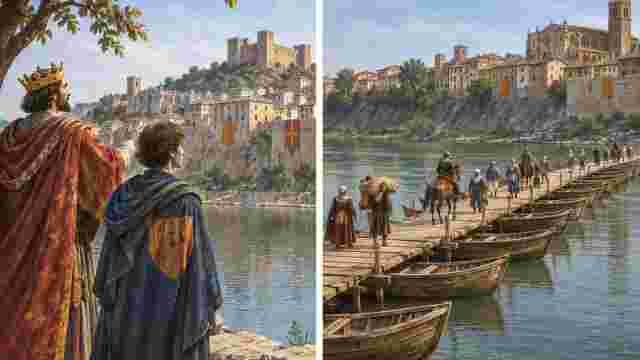
The city occupied a strategic position during this succession crisis. On the one hand, it stood near the meeting point of the Crown of Aragon's three main peninsular territories: the Principality of Catalonia, the Kingdom of Aragon and the Kingdom of Valencia. On the other hand, it was close to Peñíscola, where Pope Benedict XIII, popularly known as Pope Luna, resided.
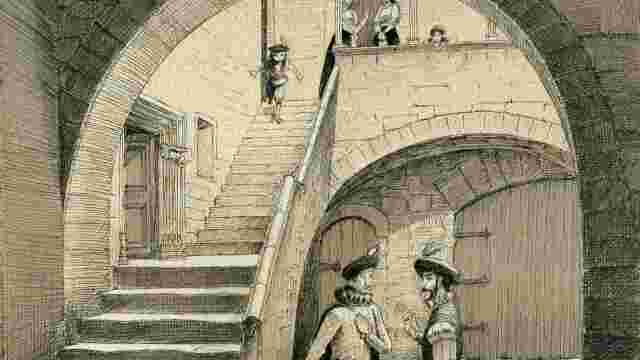
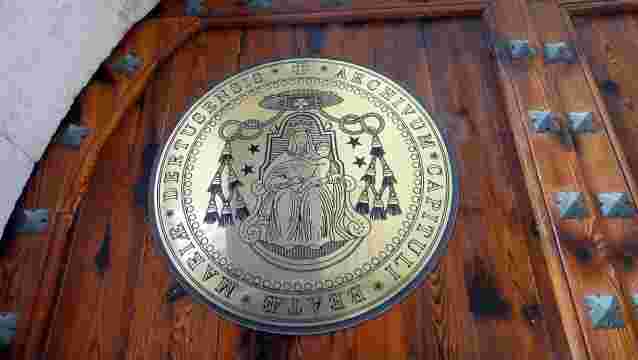
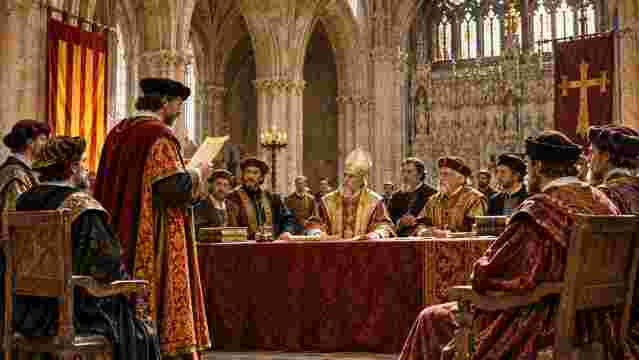
As reaching an agreement on the succession proved difficult, negotiations began between representatives of the Crown's territories. In August 1411, the Parliament of the Principality of Catalonia met at Tortosa Cathedral to discuss the question of succession.
The difficulties involved in establishing a joint parliament capable of resolving the dispute encouraged the intervention of Benedict XIII, who promoted a compromise procedure to facilitate the choice of a new king.
This process led to the Concord of Alcañiz, agreed in February 1412, which established the procedure for choosing Martin the Humane's successor.
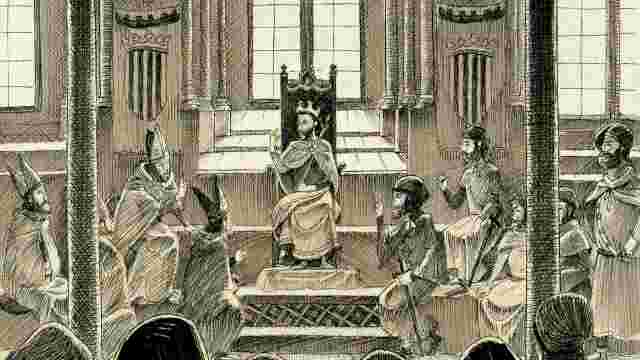
Under this agreement, nine delegates, three from each of the Crown's three peninsular territories, would meet in the town of Caspe to deliberate and elect the future monarch.
Finally, in June 1412, the delegates chose Ferdinand of Antequera, a member of the Castilian House of Trastámara, as the new King of the Crown of Aragon.
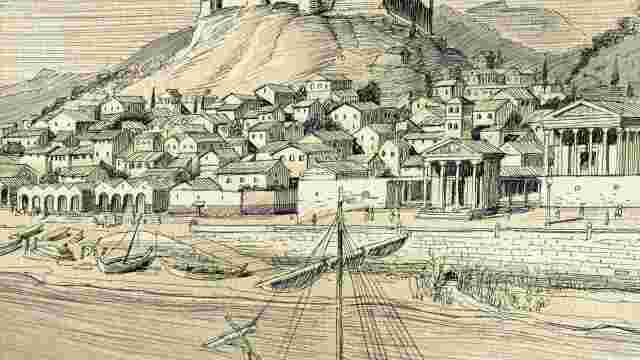
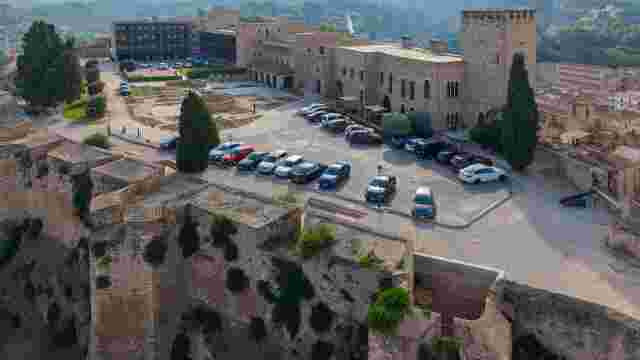
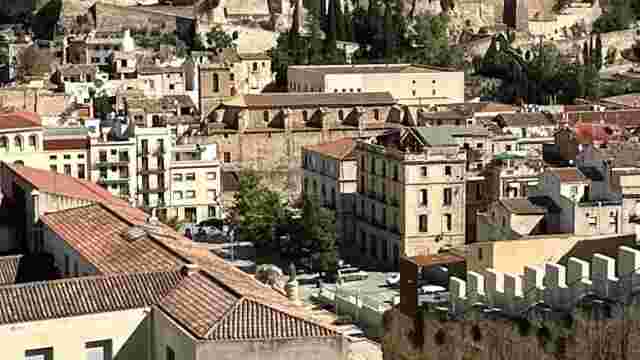
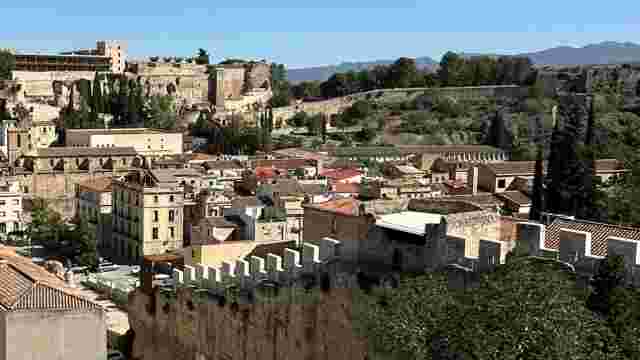
Tortosa's involvement in this process illustrates the city's political and geographical importance during the Late Middle Ages and its role in one of the most significant succession events in the history of the Crown of Aragon.