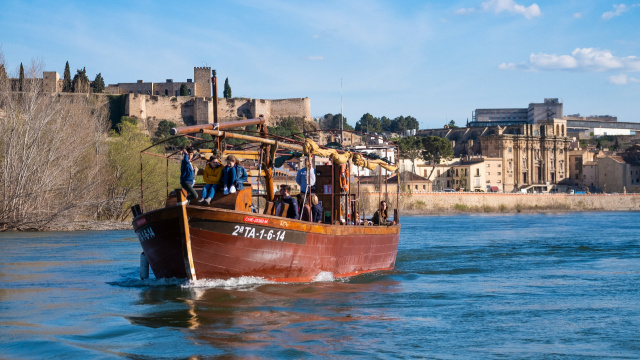
TORTOSA'S PORT AND THE MARITIME EXPANSION OF THE CROWN OF ARAGON
Tortosa's ports played a key role in the maritime expansion of the Crown of Aragon and the city's commercial development during the Middle Ages.
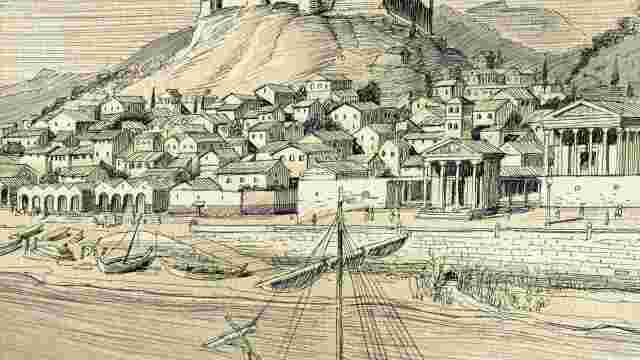
THE ROMAN CITY
Dertosa developed from the Iberian settlement of Hibera and became an important trading centre in the Ebro valley

sant ruf
El cementirti del castell
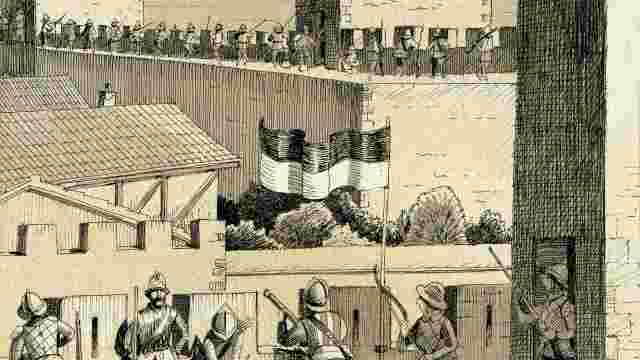
THE DEFENCE OF THE CITY: THE TRAST
In the 16th century, the defence of Tortosa was organised into fifteen sections corresponding to different parts of the city walls.
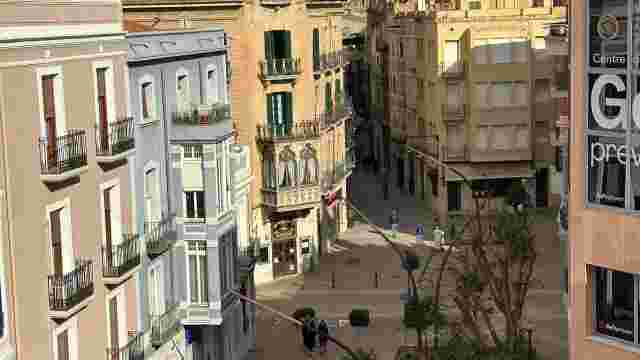
THE DEMOLITION OF THE CITY WALLS
In the late 19th century, Tortosa began demolishing its medieval city walls to allow the city to expand.
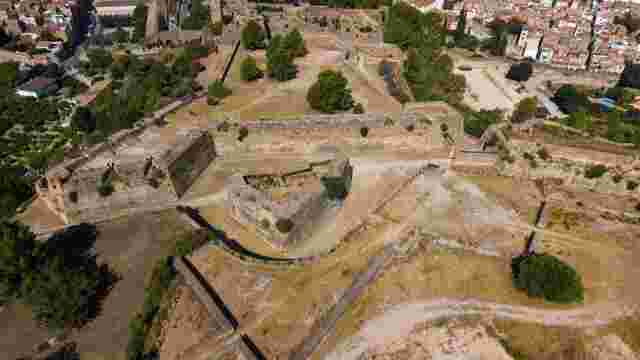
FROM CASTLE TO FORTRESS
The development of artillery transformed medieval castles into modern fortresses, with structures specifically designed for military defence.
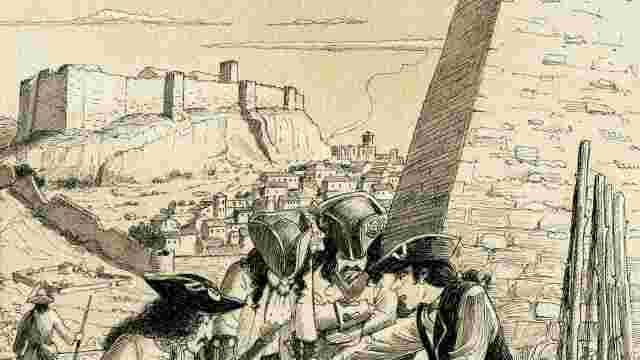
HABSBURG AND BOURBON SUPPORTERS
During the War of the Spanish Succession, Tortosa passed from Habsburg to Bourbon control, bringing significant political and social consequences.
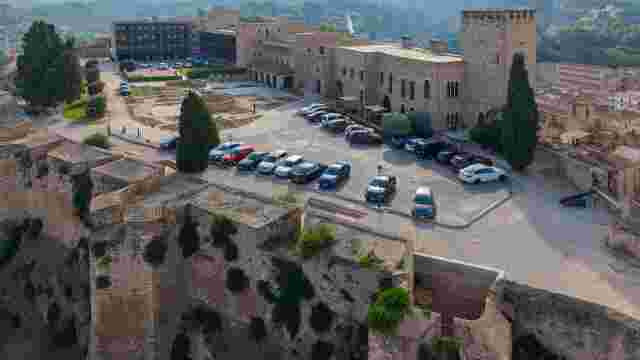
THE DIAMOND POINT TOWER
The Diamond Point Tower is a pentagonal defensive structure at La Suda Castle, adapted to the development of artillery to strengthen the fortress's defences.
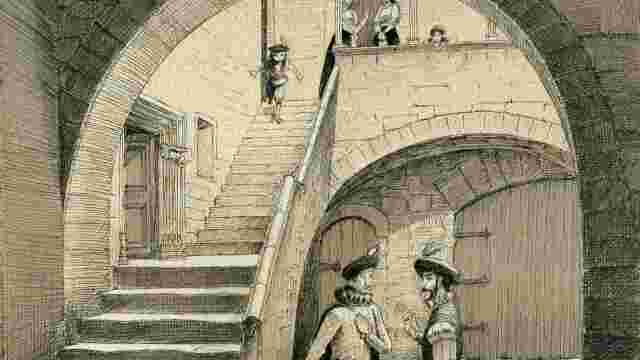
CRISTÒFOL DESPUIG
Cristòfol Despuig (1510–1574) was a politician and writer from Tortosa, known for producing one of the finest examples of Catalan Renaissance prose.
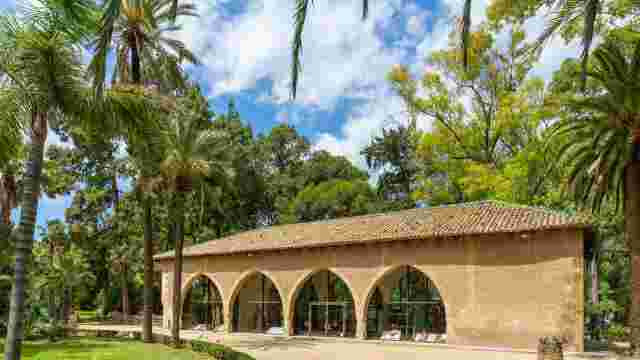
TORTOSA'S TRADITIONAL CULTURE
Tortosa's traditional culture brings together music, dance, giants and festive customs that keep the city's identity alive.
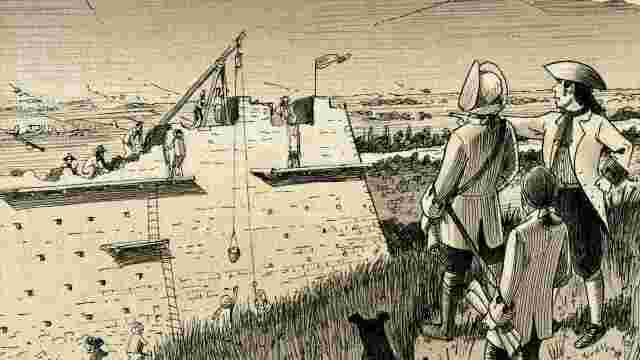
TENASSES FORT
Tenasses Fort is a 17th- and 18th-century fortification built to strengthen Tortosa's defences and protect the northern approaches to the city.
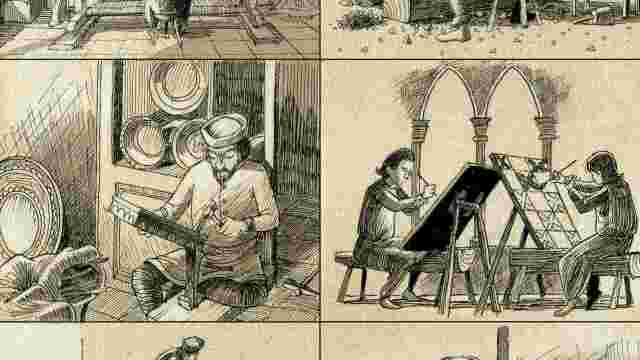
TORTOSA, A CENTRE OF ART IN THE MEDIEVAL AND EARLY MODERN PERIODS
Between the 14th and 20th centuries, Tortosa was an important centre of artistic production, with workshops specialising in painting, sculpture, silversmithing,
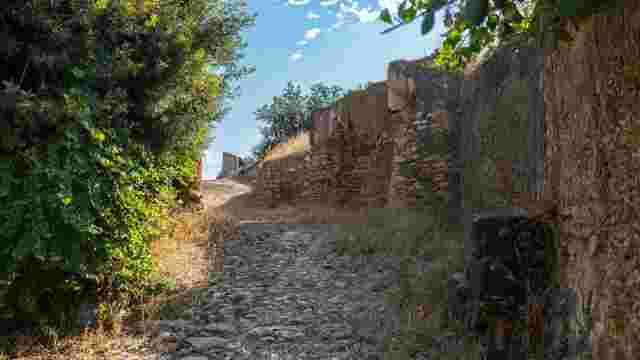
THE OPEN CAPONIER
The Open Caponier is a defensive site along the road to Tenasses Fort, with structures once used to control access to the Célio ravine.
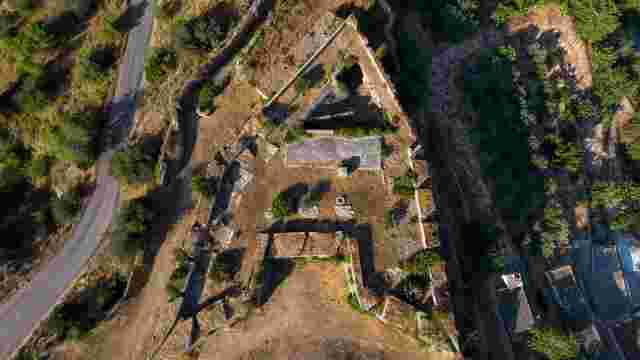
HORNWORK
The hornwork at Tenasses is a 17th-century defensive structure designed to protect the northern approaches to Tortosa.
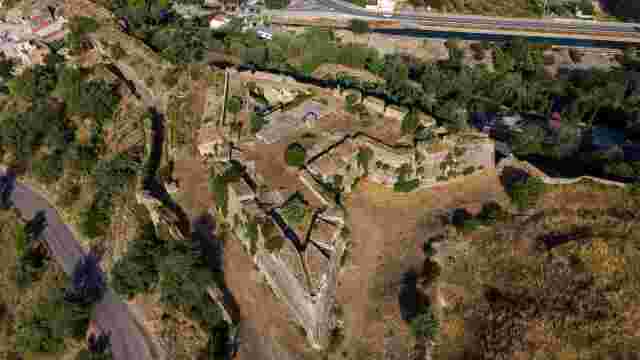
TENASSES PARADE GROUND
The Tenasses Parade Ground was a central area within the fortress where troops gathered, assembled and organised the defence of the city.
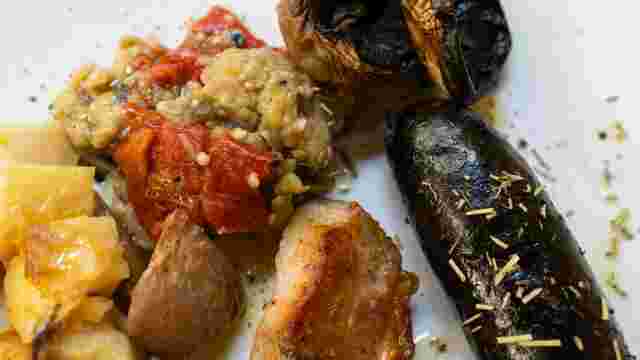
GASTRONOMY IN TORTOSA
Tortosa's gastronomy reflects its history, the cultures that have shaped the city and the rich variety of local produce.
PLAÇA DE BARCELONA
Archaeological excavations at Plaça de Barcelona have uncovered remains of fortifications dating from the 14th to the 18th centuries
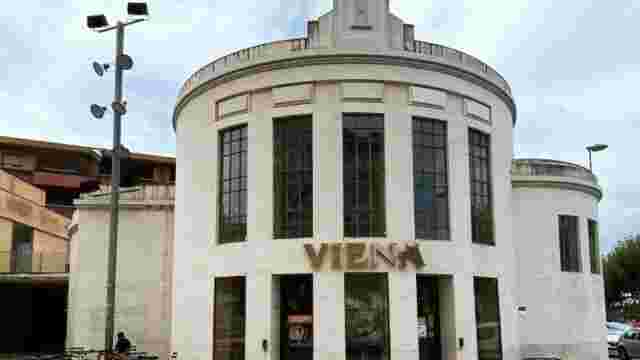
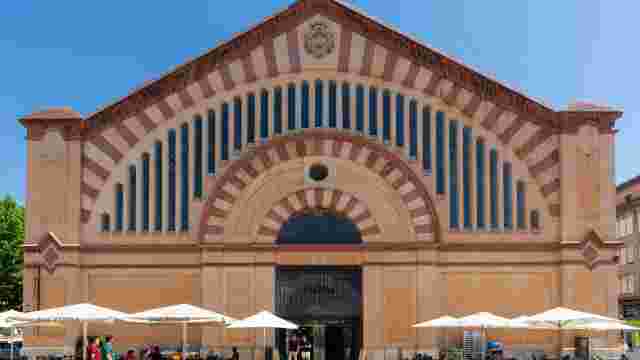
THE FORMER FISH MARKET
Opened in 1935, Tortosa's former fish market is a fine example of Rationalist architecture, featuring geometric forms
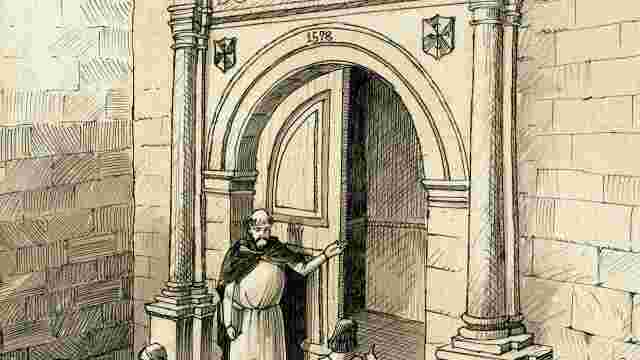
L’ESTUDI (DOMINICAN UNIVERSITY)
Founded in 1530, Tortosa's Dominican University was an important centre for the study of arts and theology, renowned for the reputation of its teachers
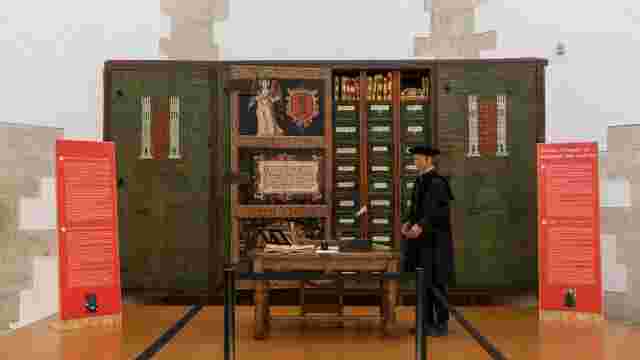
THE COSTUMS DE TORTOSA LAW CODE
The Costums de Tortosa, promulgated in 1279, represent one of the earliest major legal compilations written in the Catalan language.
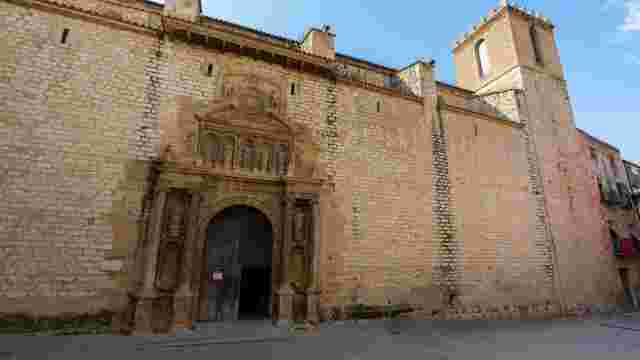
SANT DOMÈNEC STREET AND CHURCH
Archaeological excavations uncovered medieval remains, Late Antique burials and the only known section of Iberian-period defensive wall in Tortosa.
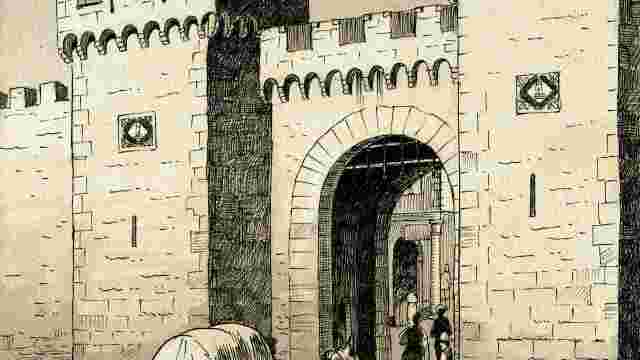
THE VIMPESOL GATE
The Vimpesol Gate was a monumental entrance to Tortosa's medieval city walls, built in the late 14th century and demolished in the 19th century.
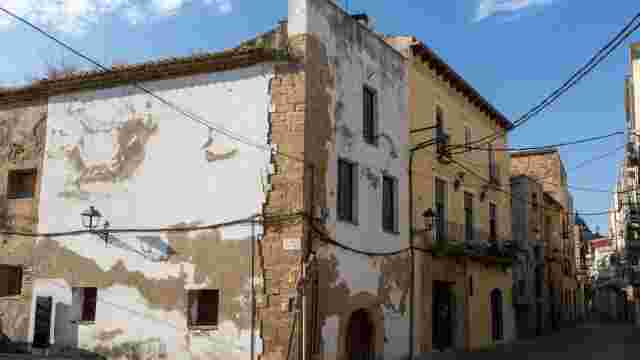
THE HOUSE OF SANT JORDI
The House of Sant Jordi is a medieval building that served various purposes over the centuries, including a hospital, a religious residence and cavalry barracks
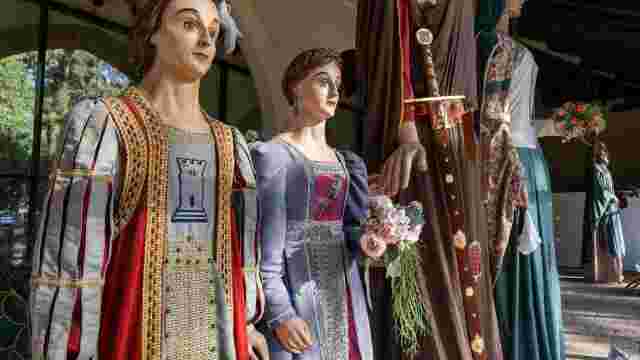
THE KNIGHT RUFOLET AND PRINCESS RUBÍ
The legend of Rufolet and Rubí tells how a brave knight rescued a princess from a spell that kept her captive under the watchful eye of the Cucafera.
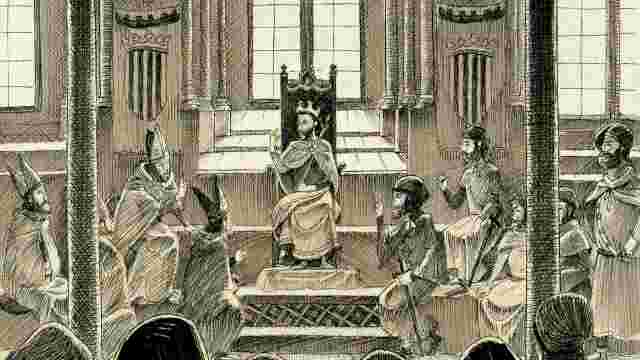
THE MEDIEVAL COURTS IN TORTOSA
During the Middle Ages, Tortosa hosted several sessions of the Catalan Courts, where important decisions affecting the history of Catalonia were made.
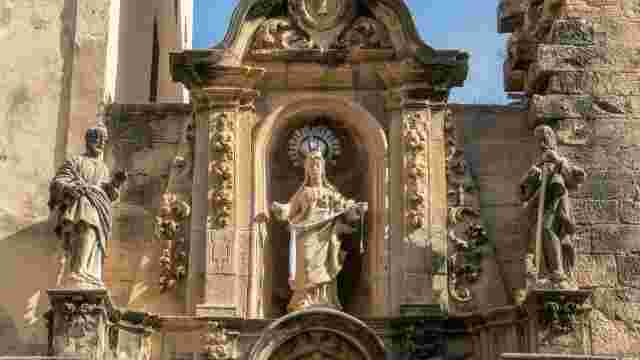
OUR LADY OF THE CINTA
Our Lady of the Cinta has been the patron saint of Tortosa since 1863 and represents one of the city's most deeply rooted religious and cultural traditions
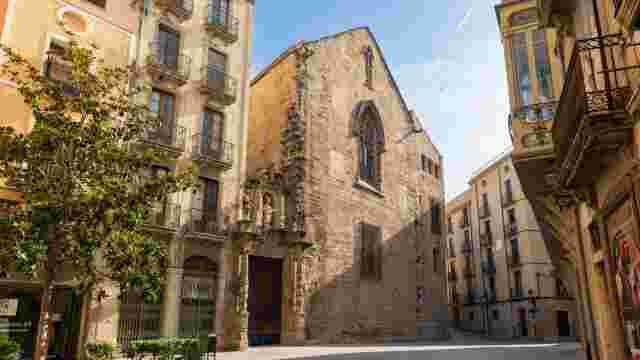
PLAÇA DE NOSTRA SENYORA DE LA CINTA
Archaeological excavations have revealed continuous occupation of this site from the Roman period to the Christian conquest of Tortosa in the 12th century.
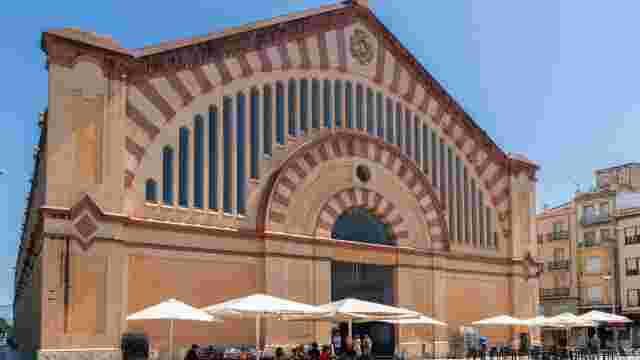
QUEIXAL DEL TEMPLE (TEMPLE SPUR)
The Queixal del Temple (Temple Spur) was a medieval fortification protecting one of Tortosa's most vulnerable areas, beside the river port and shipyards.
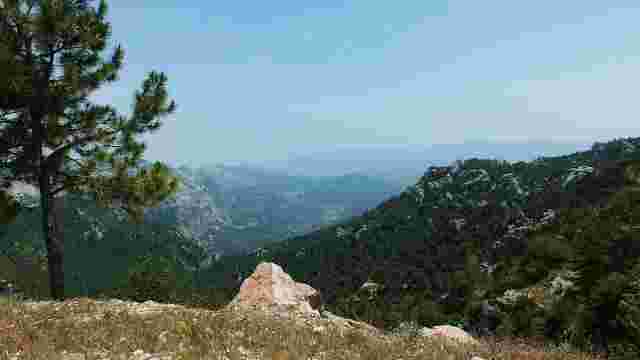
TIMBER FROM ELS PORTS
For centuries, Tortosa was a major centre for timber production and distribution, renowned throughout the western Mediterranean for the exceptional quality of i
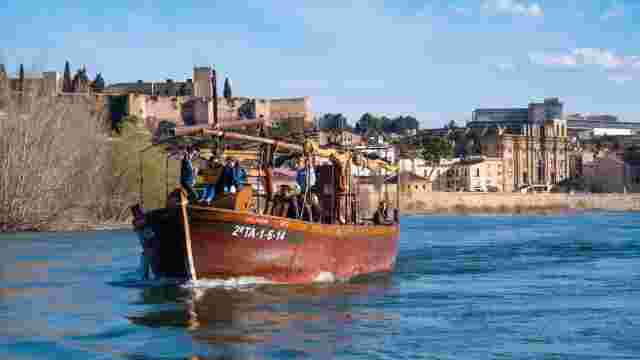
TORTOSA'S PORT AND THE MARITIME EXPANSION OF THE CROWN OF ARAGON
Tortosa's ports played a key role in the maritime expansion of the Crown of Aragon and the city's commercial development during the Middle Ages.
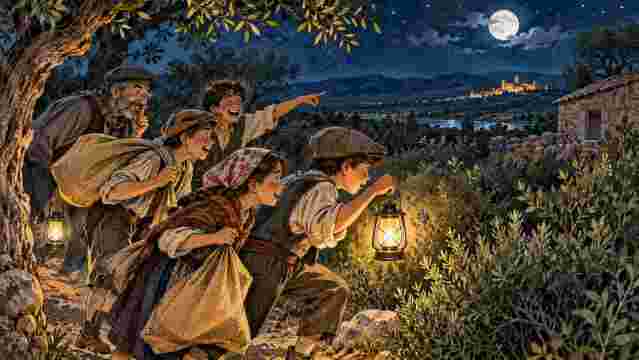
GAMBOSÍ HUNTING
Gambosins are tiny mythical creatures from the Terres de l'Ebre, with slender bodies and tails, who dance under the full moon and howl: AWOOO!