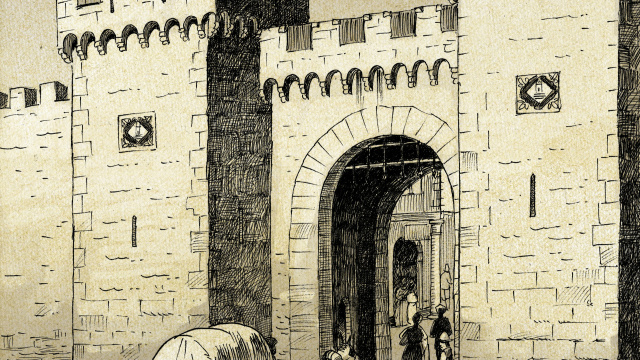
THE VIMPESOL GATE
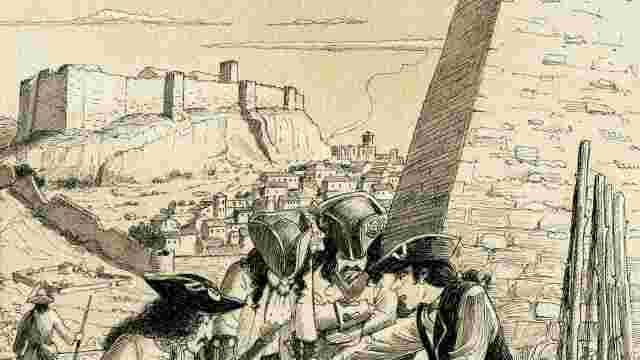
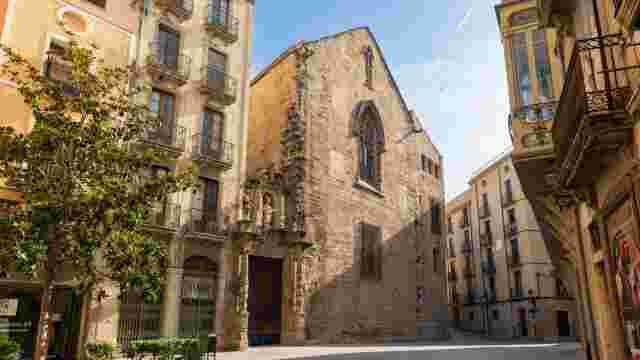
The site of the Vimpesol Gate had been known by this name since time immemorial. However, as this was the area where religious minorities lived, the gate's walls were not renovated until the 1390s. By then, the eastern and southern sections of the defensive enclosure protecting the Christian city, under construction since 1365, had already been completed.
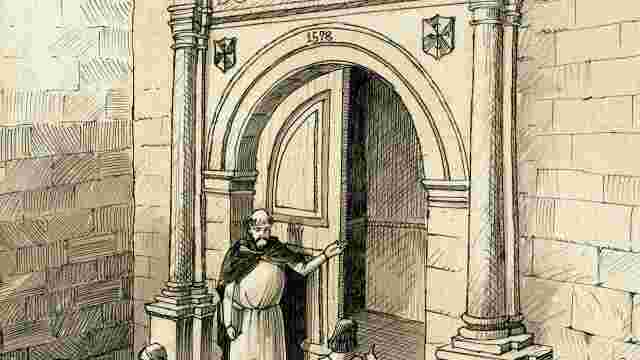
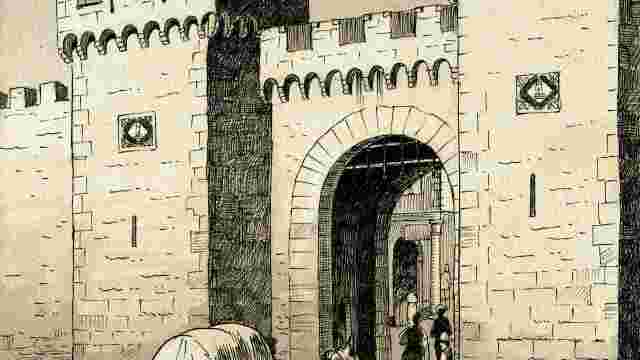
It was in the late 14th century that a monumental gateway was built here, comparable to the grand entrances of other important cities within the Crown of Aragon.
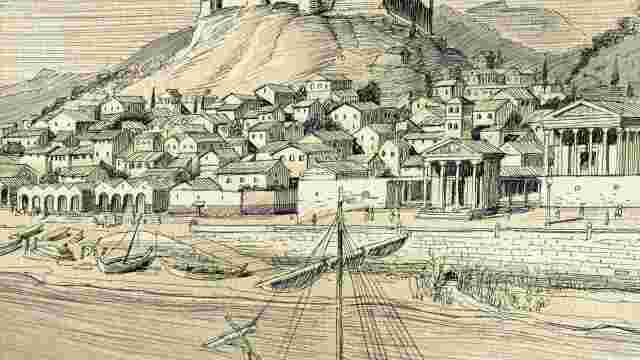
The main entrance to medieval Tortosa was the gate at the Pont de Barques, the boat bridge on the western side of the city. However, the course of the River Ebro prevented the construction of a monumental gateway along the riverfront that could symbolise the power and prestige of the city's community. For this reason, when the northern section of the city walls was renovated during the 1390s, the opportunity was taken to construct an imposing gateway, referred to in historical documents as the Vimpesol Gate.
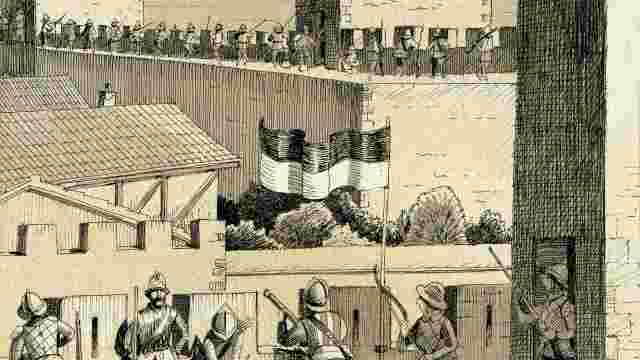
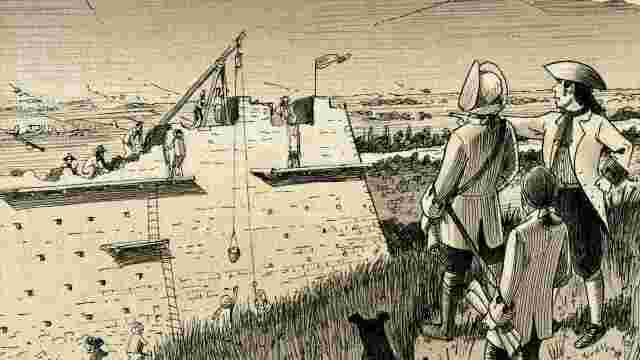
Following the architectural model of the grand city gates being built elsewhere in the Crown of Aragon, the entrance was framed by two large square towers constructed from carefully dressed stone blocks. From these towers extended two sections of defensive wall built using the rammed-earth technique, in which compacted earth is pressed into temporary formwork.
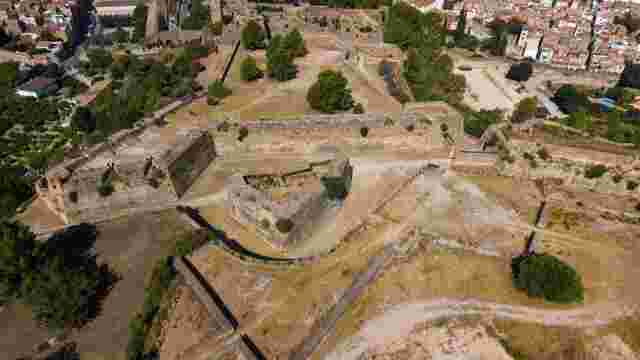
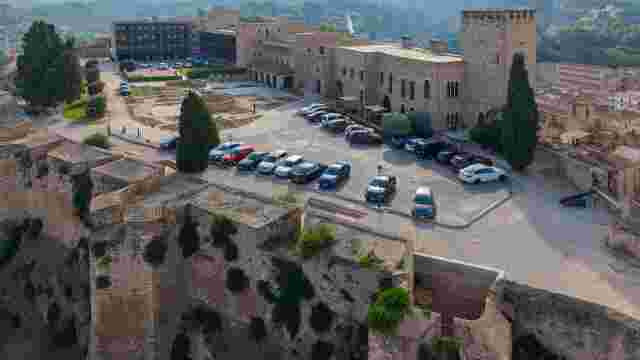
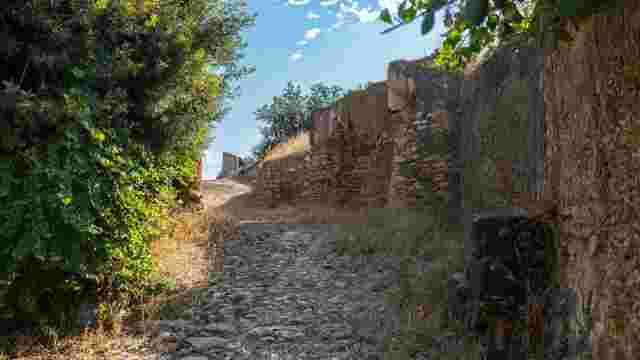
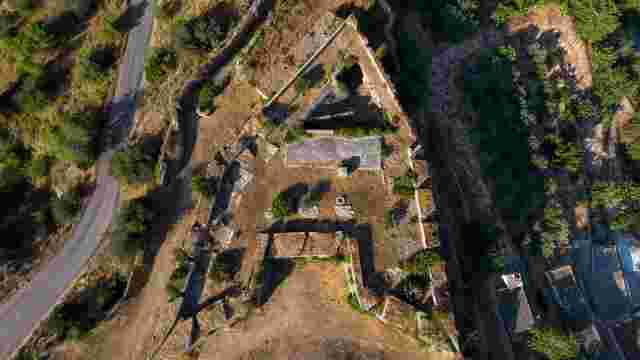
At either end of this northern defensive section stood two circular stone towers. The western tower, known as the torre del rec, meaning the river tower, was smaller than the eastern one, referred to in medieval documents as the torre grossa, or large tower. The latter is now known as the Célio Tower and is the only surviving structure from the northern section of Tortosa's medieval walls still standing in its original location.
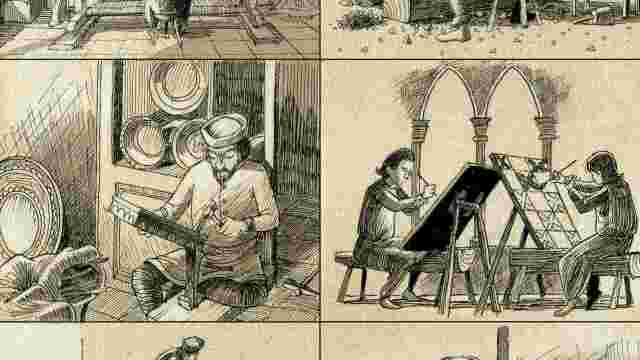
Although the Vimpesol Gate and the surrounding walls have disappeared, their history has been preserved through extensive construction records. Among the master craftsmen involved was Joan de Frenoy, a French stonemason who was also supervising work on Tortosa Cathedral at the time.