THE BRIDGE OF BOATS FORTIFICATION
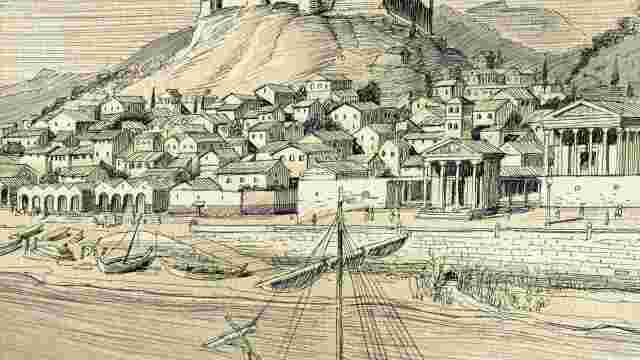
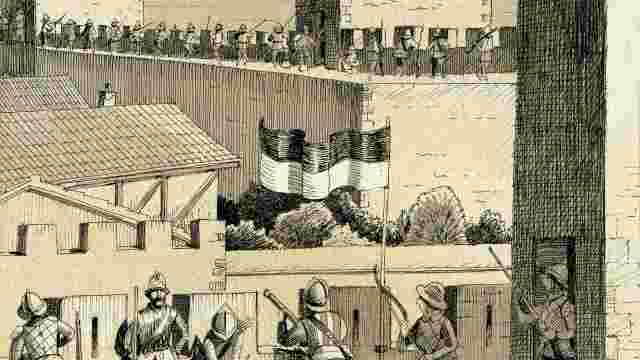
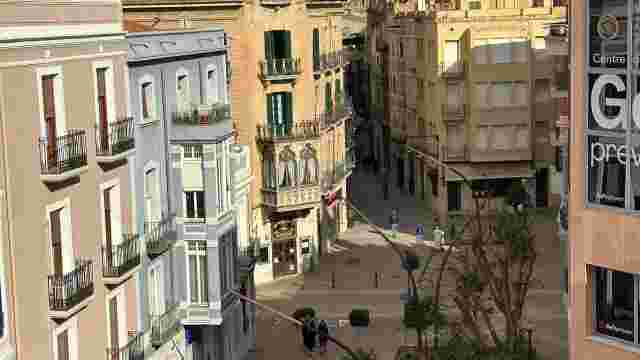
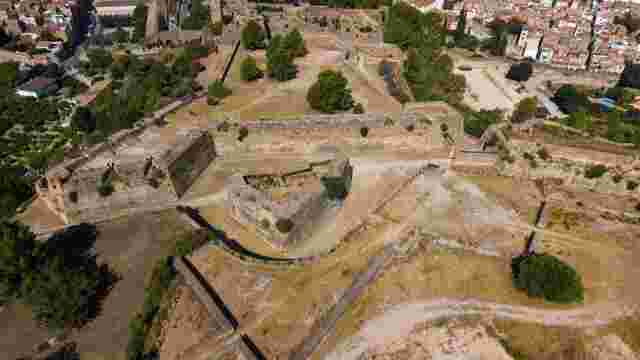
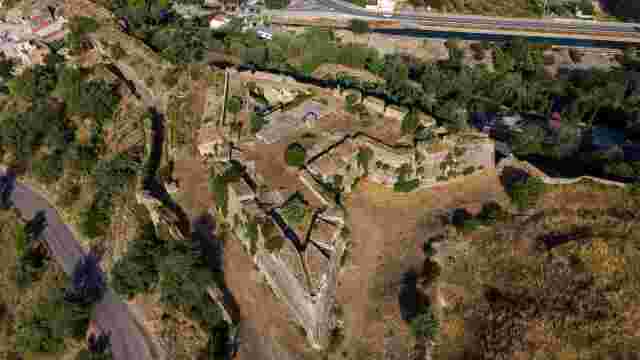
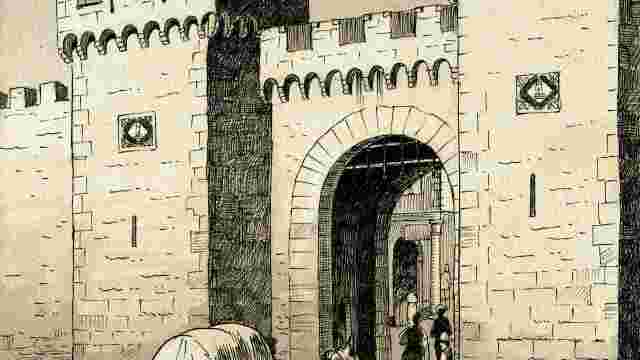
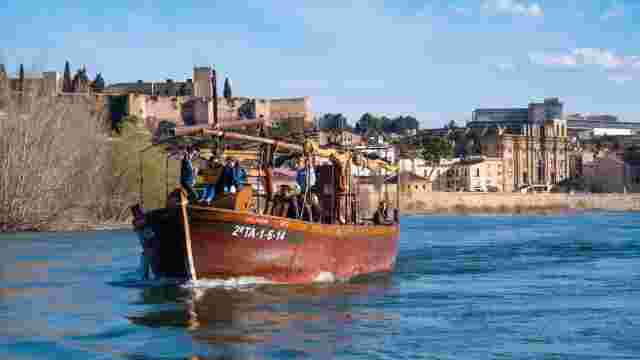
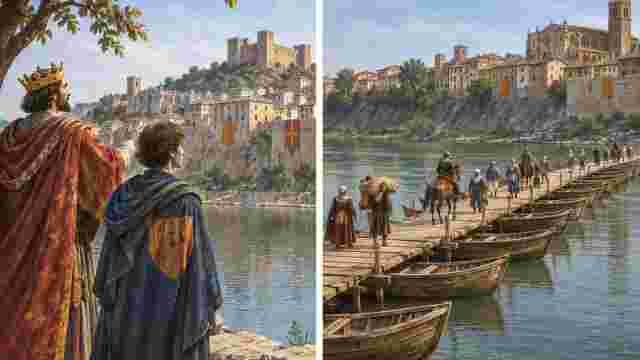
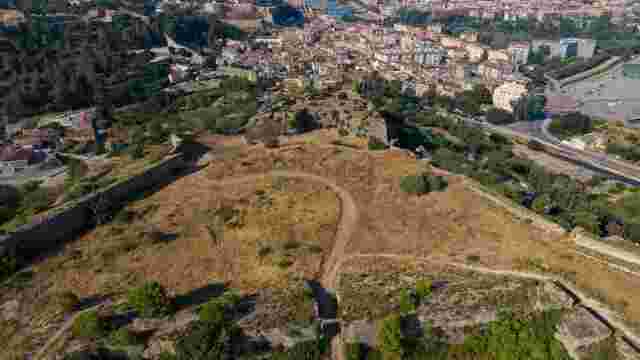
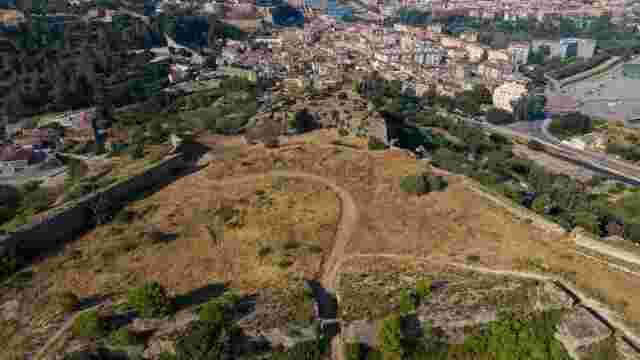
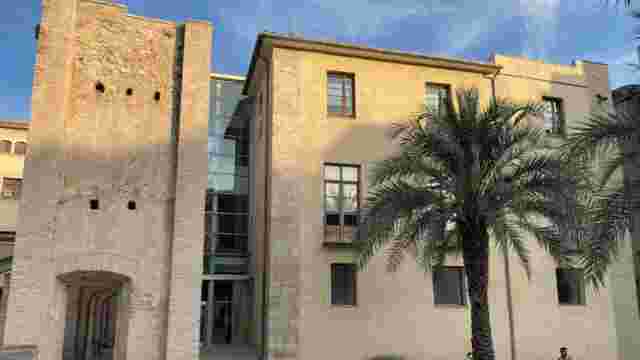
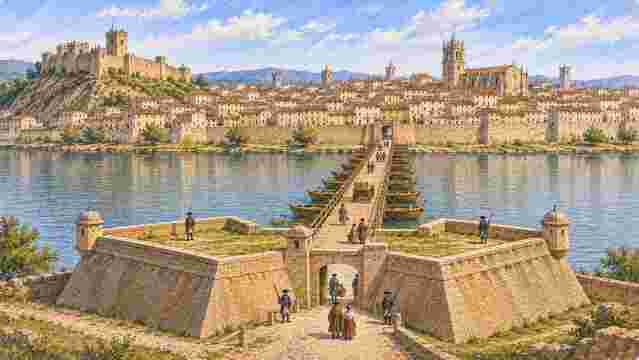
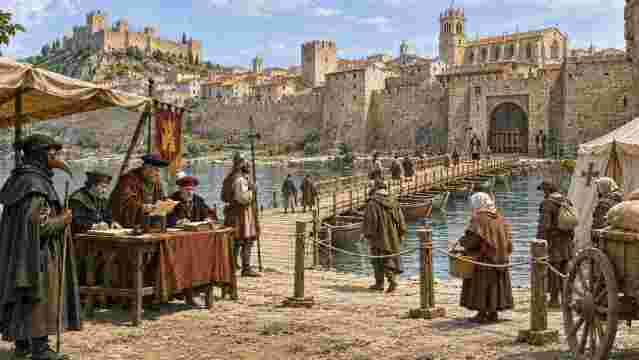
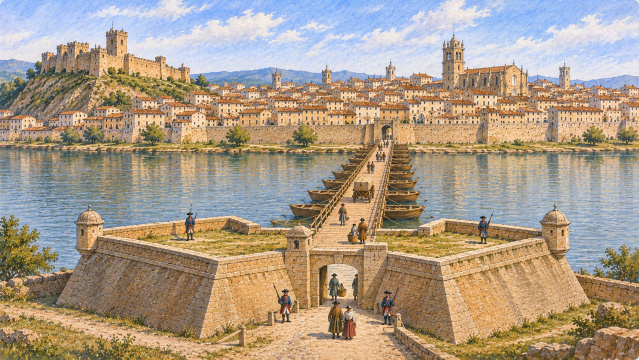
Beneath several buildings in Tortosa's Ferreries district lie the buried remains of the Bridge of Boats fortification, a defensive complex that protected access to the bridge connecting the right bank of the River Ebro with the city of Tortosa.
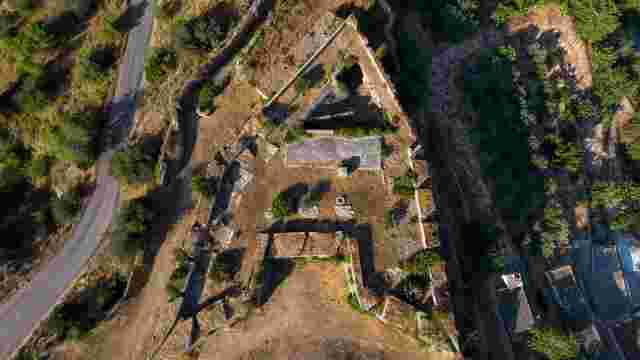
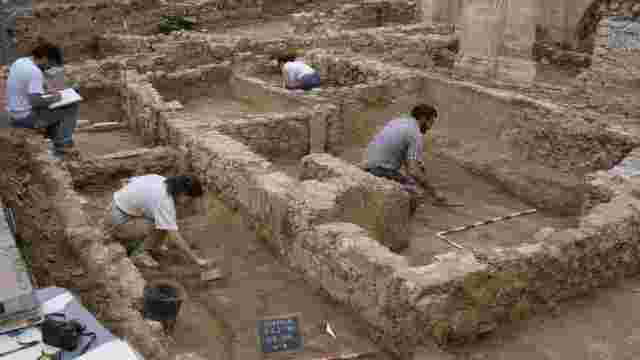
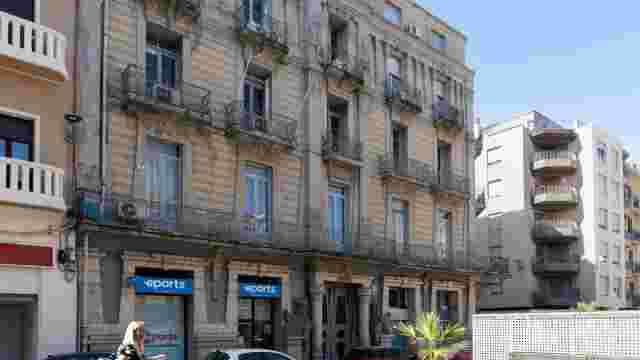
In 2004, during the construction of an underground car park at number 1 Carrer Llarg de Sant Vicent, an archaeological investigation uncovered part of the fortification's counterguard.
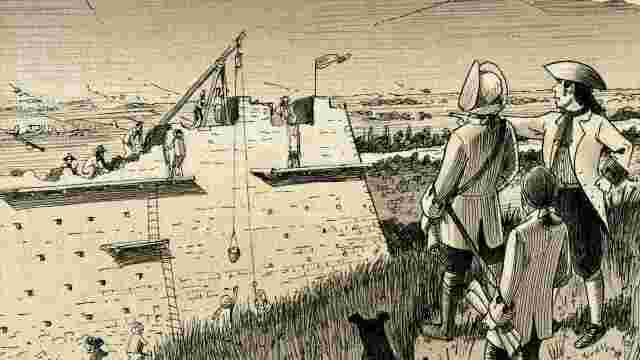
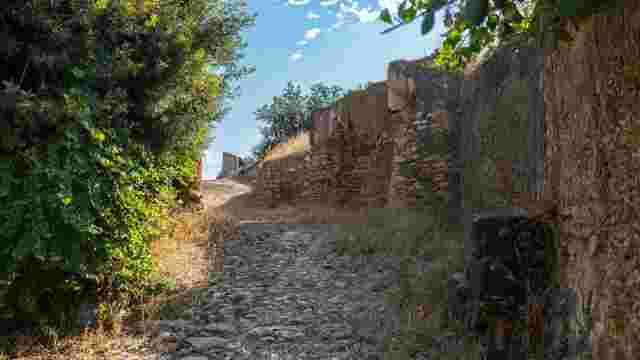
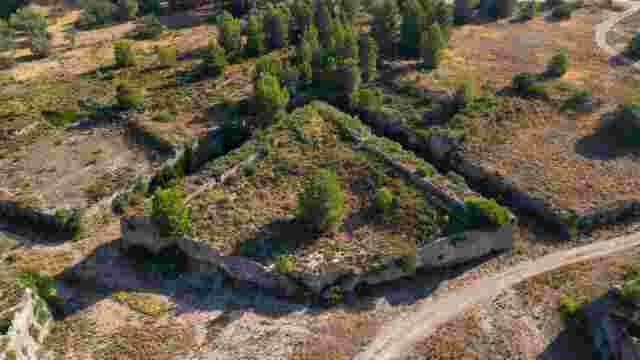
The surviving structure consists of a wall approximately twenty metres long and 3.5 metres thick at its base. Its sloping outer face is built of brickwork bonded with lime mortar, covering a core of rubble, stone and mortar. This structure would have contained the fortification's internal sand filling.
The rear face of the counterguard was bounded by a stone wall bonded with lime mortar and supported by relatively shallow foundations.
The excavation also revealed occupation layers dating from the 14th and 15th centuries beneath the defensive structures. These remains belonged to the medieval suburb of La Creu and provide evidence of settlement in the area before the fortification was built.
Part of the counterguard had been cut through by a trench dating from the Spanish Civil War. This trench is associated with the occupation of the right bank of the Ebro by Francoist troops in April 1938.
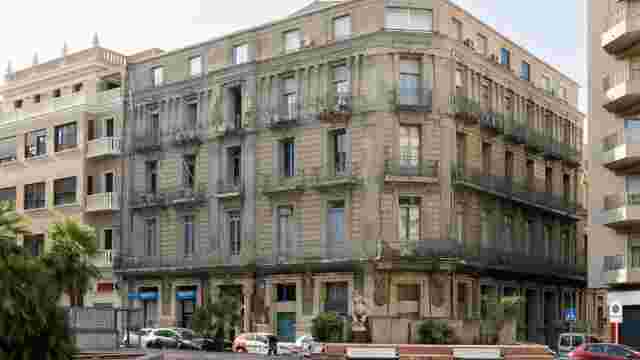
A further archaeological investigation in 2013 uncovered the projecting corner of the counterguard beneath the building at number 11 Rambla de Catalunya.
A counterguard is a triangular defensive structure positioned in front of ravelins, which are advanced fortifications separated from the main defensive enclosure. Its purpose was to protect these outer defences by providing covering musket fire.
The exact date of the Bridge of Boats counterguard remains uncertain. It may have been constructed after the War of the Spanish Succession in the 18th century. Alternatively, it may represent repairs carried out following the Peninsular War in the 19th century.