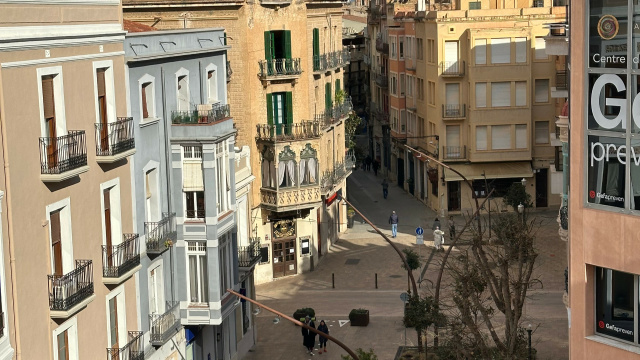
THE DEMOLITION OF THE CITY WALLS
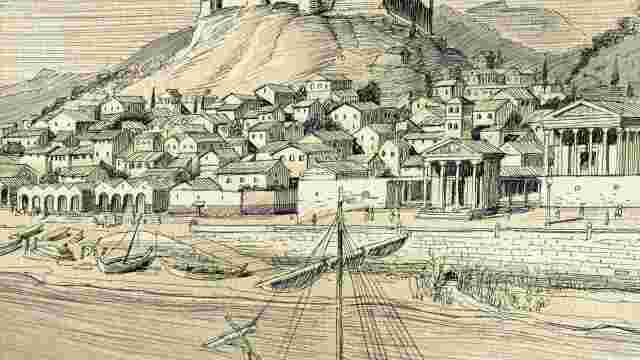
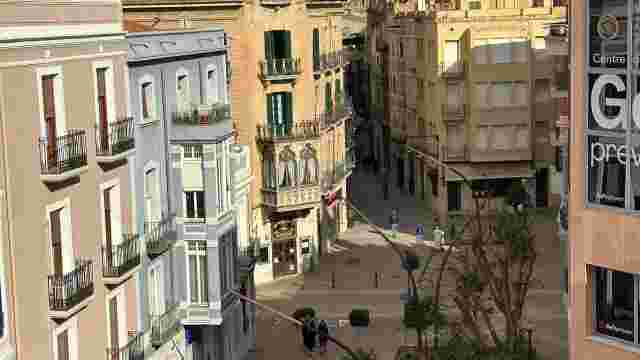
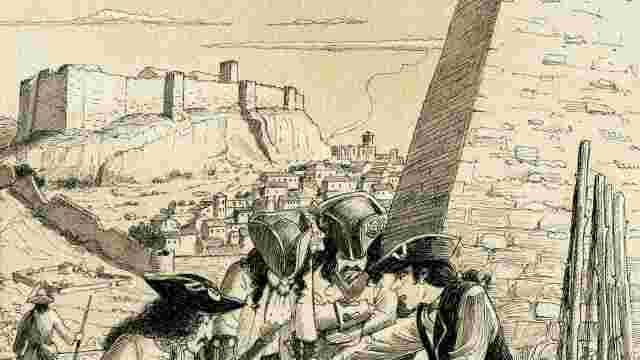
At the end of the 19th century, Tortosa City Council decided to demolish the city walls in the name of progress. These defensive structures had come to symbolise the past and oppression. Their demolition not only allowed fresh air into the city but also made it possible for the urban area to expand, following a trend that was spreading across Europe under the influence of the hygienist movement. In urban planning, this movement advocated reducing urban density to 'allow air to circulate' by opening up cities beyond their defensive walls.
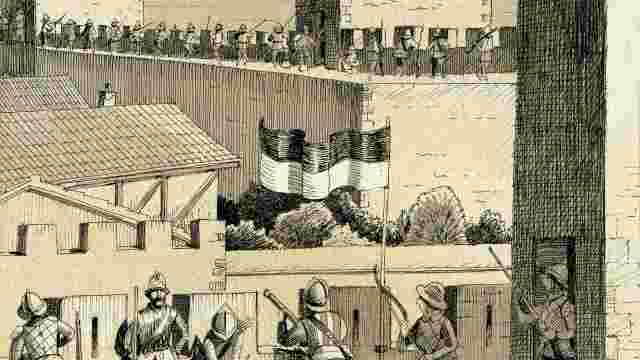
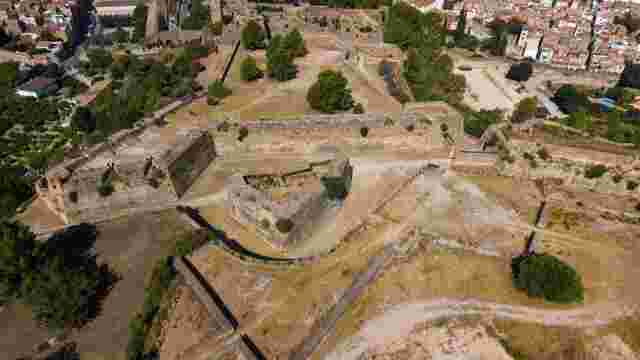
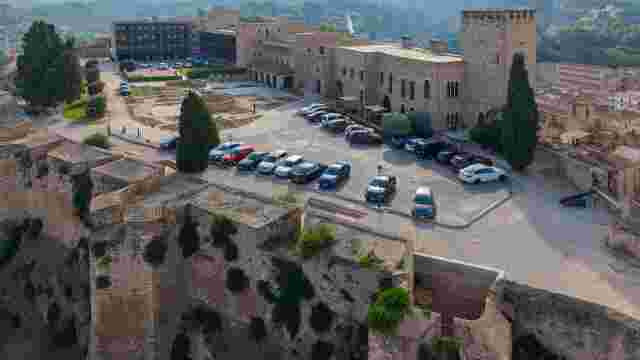
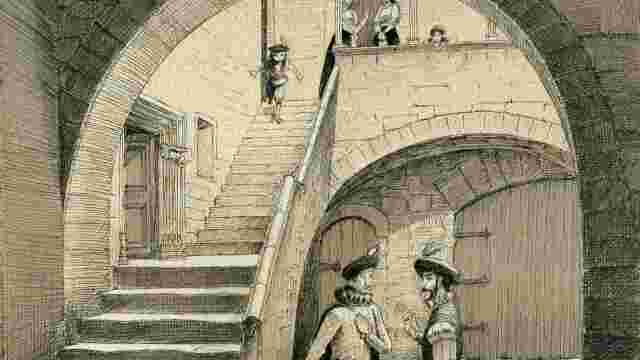
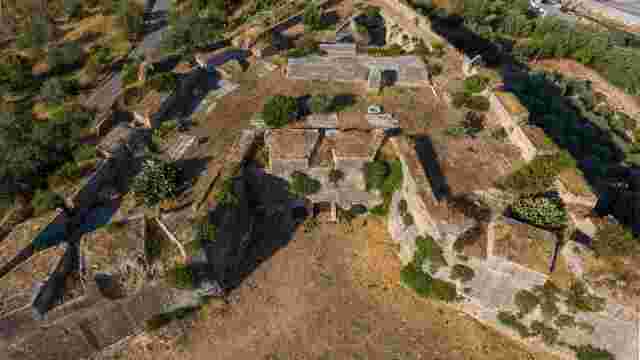
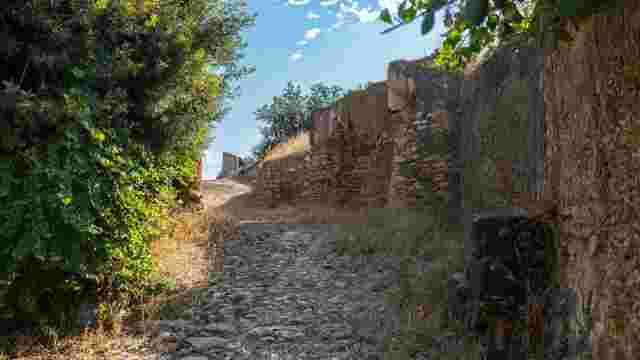
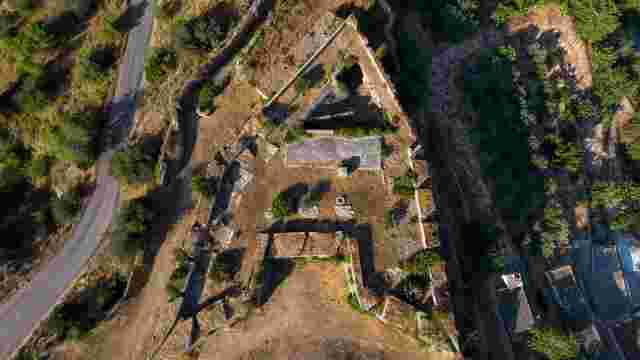
However, demolishing the walls was neither a quick nor an easy process. This was once the site of the Sant Francesc or Sant Joan Gate, one of the busiest entrances during the medieval period. The gate was flanked by two towers, one of which was home to the executioner. As the terrain was much steeper at the time, many local people still call this spot coll de Sant Joan. The gate provided access to the road to Tarragona, the Hospital of Sant Joan del Camp, the Convent of the Menorets of Sant Francesc and the cemeteries. The city walls descended from Sitjar Hill to the river, passing through the Temple Gate.
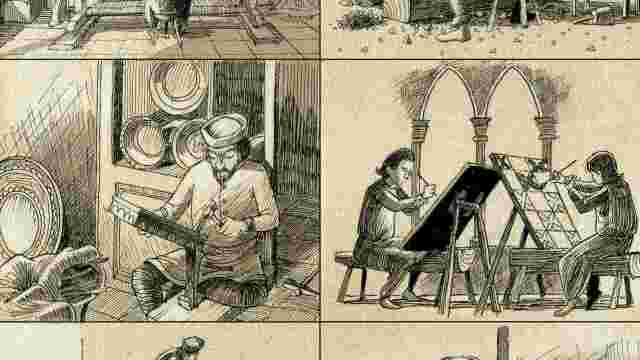
A document dating from 1554 tells us that the city walls were divided into fifteen sections. This was the third section and was maintained by the Brotherhood of Santa Magdalena, made up of the shopkeepers' guild, and the Brotherhood of the Holy Trinity, formed by the weavers' guild.