THE RAVELIN
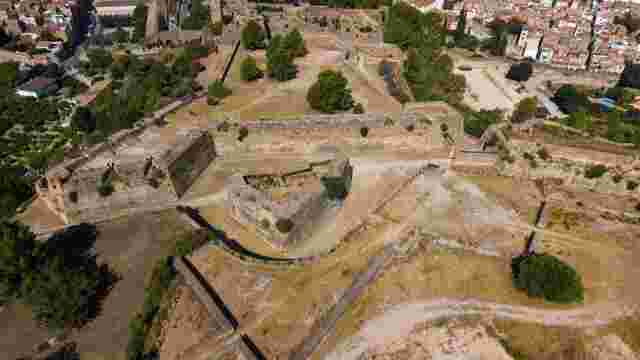
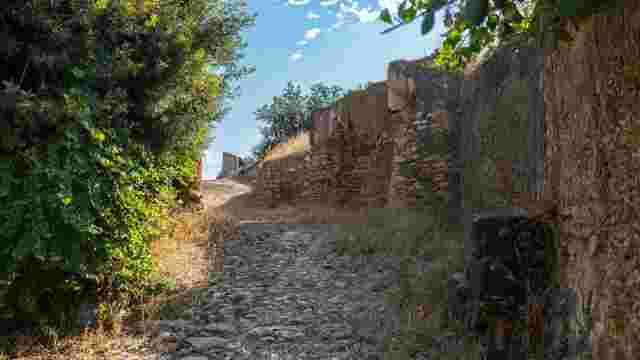
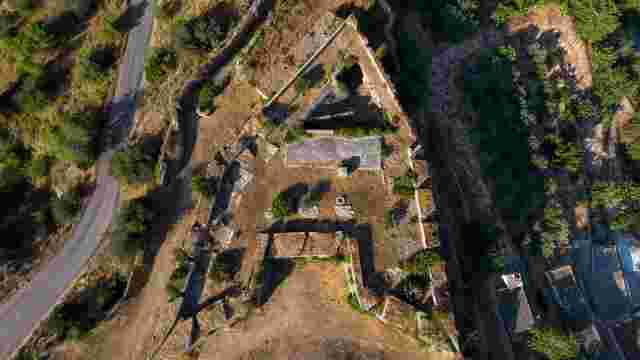
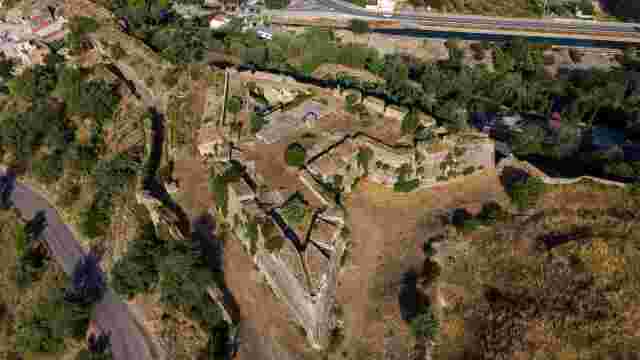
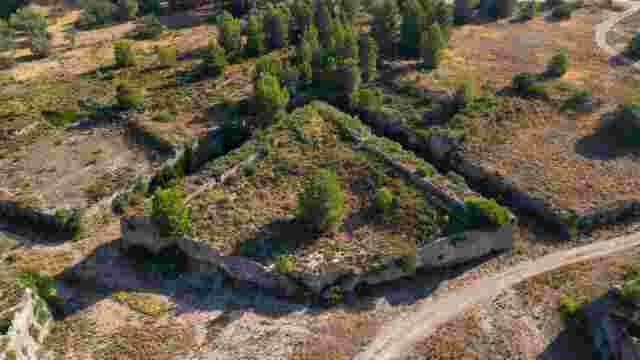
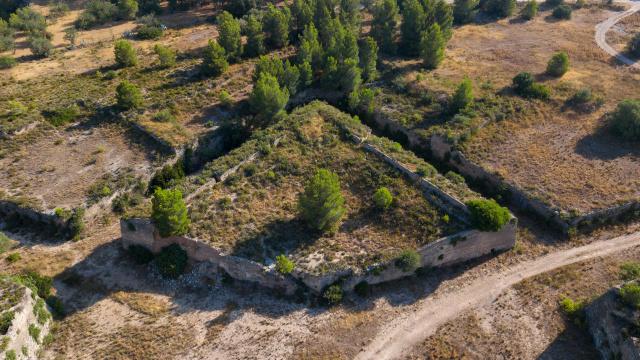
A ravelin is an outer defensive work designed to protect the curtain wall of a fortification, the section of wall between two bastions. This triangular structure stands in front of the moat and the gateway leading to the parade ground.
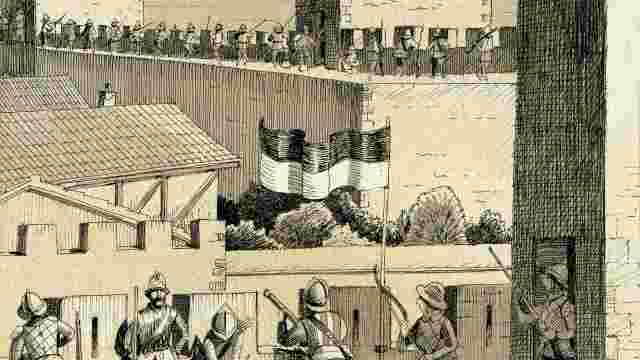
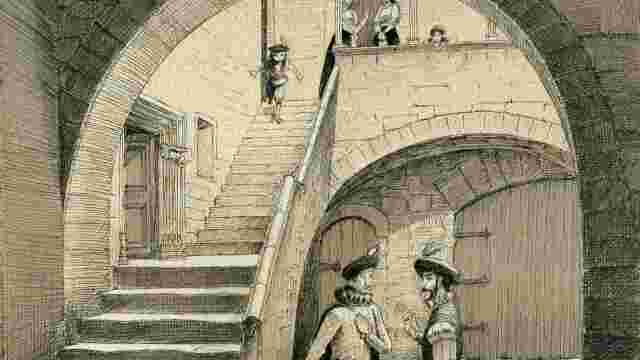
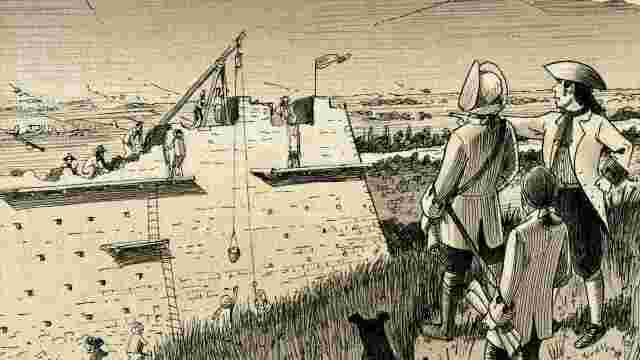
The presence of stairways suggests that artillery pieces had to be raised into position using some form of crane. Its main purpose was to protect the tenaille, an outer defensive work, and the fortress as a whole, while forcing enemy troops to divide their attack. The ravelin was generally defended by infantry, while artillery was positioned on its upper level.
Ravelins were isolated structures, although they formed an integral part of the overall defensive system. They were built within the moats, between bastions, to strengthen the defences and ensure that their capture would not compromise the rest of the fortress.
Attackers therefore had to commit men and resources to capturing the ravelin or driving out its defenders. Meanwhile, the defending troops could withdraw into the main fortress without suffering significant losses.
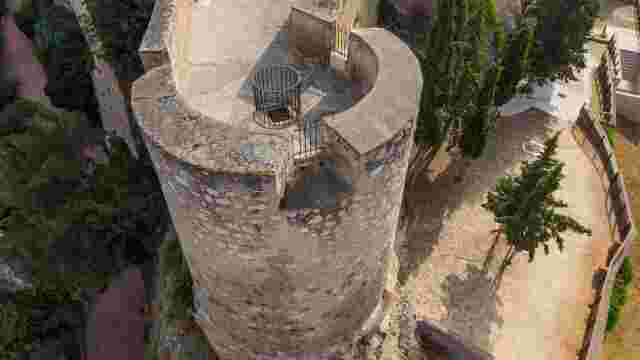
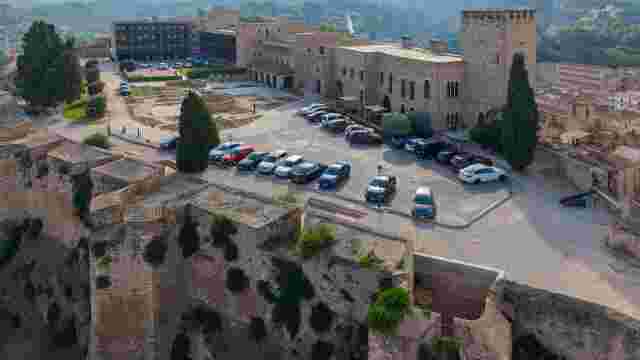
From the top of the ravelin, visitors can enjoy an excellent view of the entire fort, a perspective also shared by the troops attempting to capture the city from this direction.
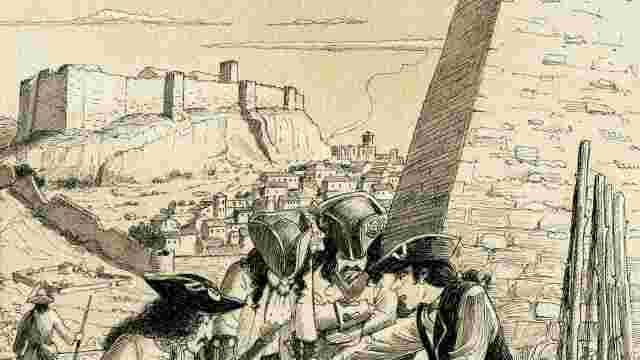
Because of their shape, ravelins were also known as demi-lunes, or half-moons. In Tortosa, for example, one such fortification stood between two bastions in the Temple area.
It was at this location that, in 1836, the Liberals executed Maria Griñó by firing squad. She was the mother of the Carlist general Ramon Cabrera, known as the Tiger of the Maestrat. Her execution was an act of retaliation against the Carlist leader.
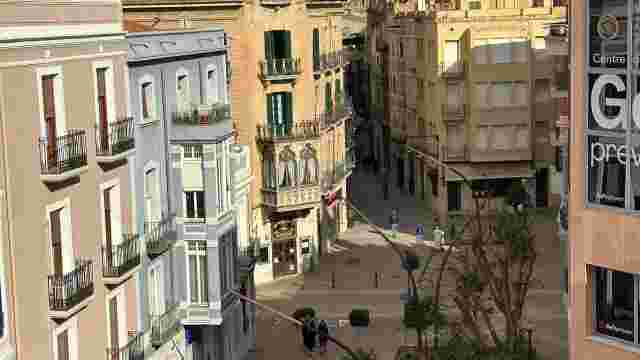
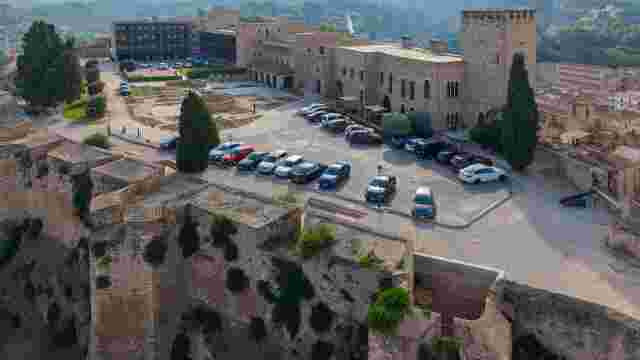
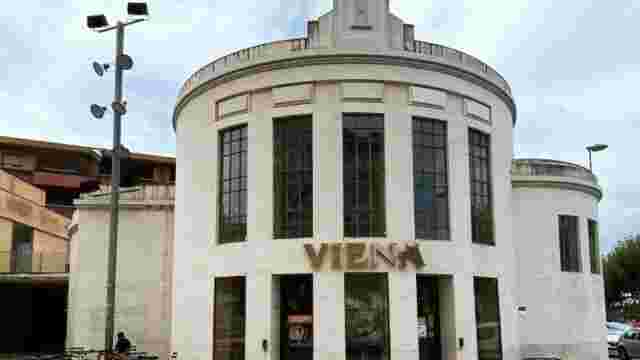
Today, this site roughly corresponds to Plaça d'Alfons XII, in the area of Tortosa developed during the city's urban expansion.