PLAÇA DE SANT JAUME (SAINT JAMES'S SQUARE)
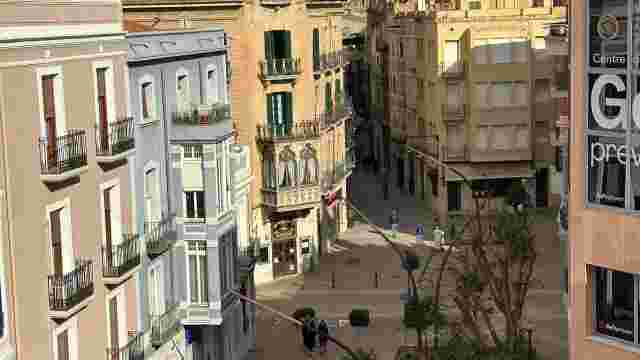
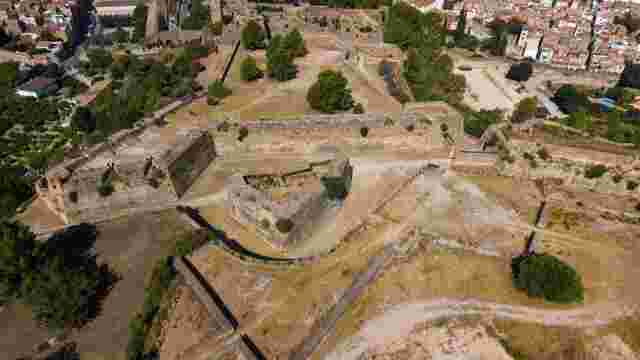
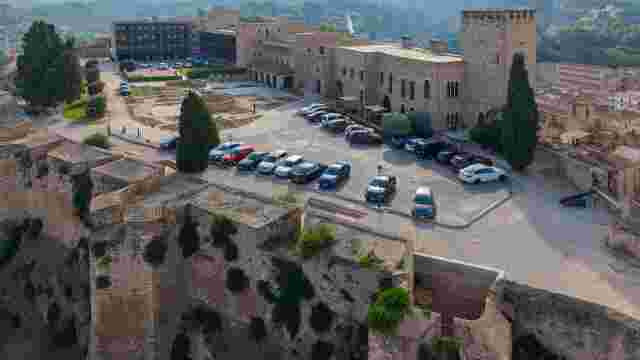
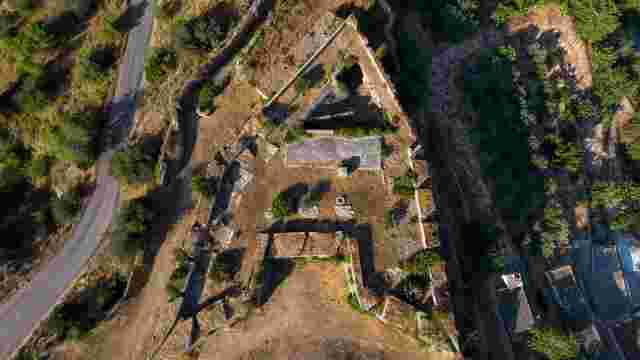
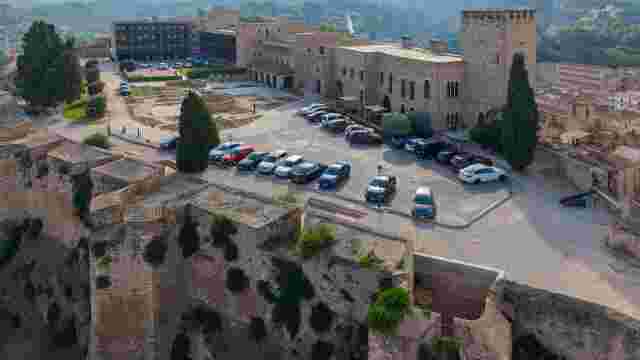
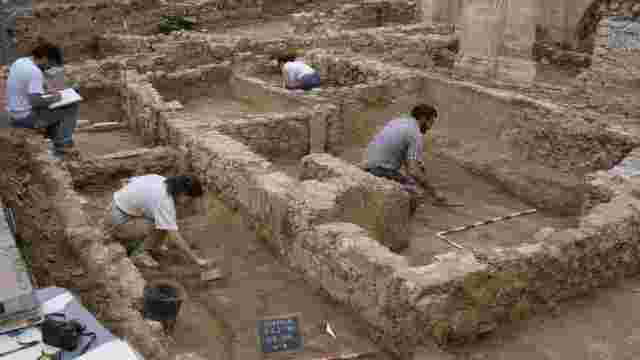
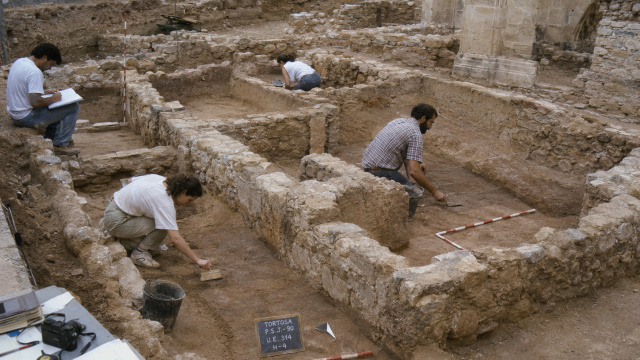
In 1990, the complete redevelopment of Plaça de Sant Jaume provided an opportunity to carry out archaeological excavations to investigate the stratigraphy and historical development of this part of Tortosa. The excavations revealed evidence of occupation spanning several periods, from Late Antiquity to the 20th century.
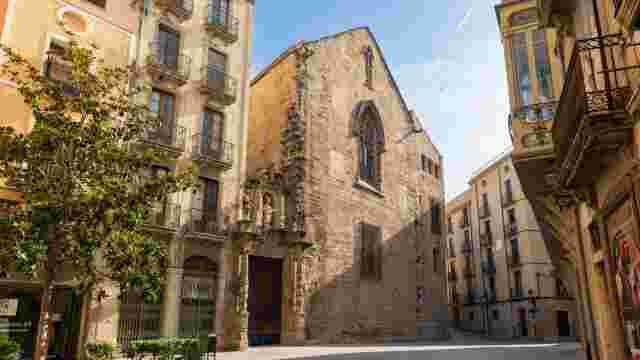
One of the most significant discoveries was the identification of three successive churches dedicated to Saint James, built on the same site. Their remains extend across the entire excavated area.
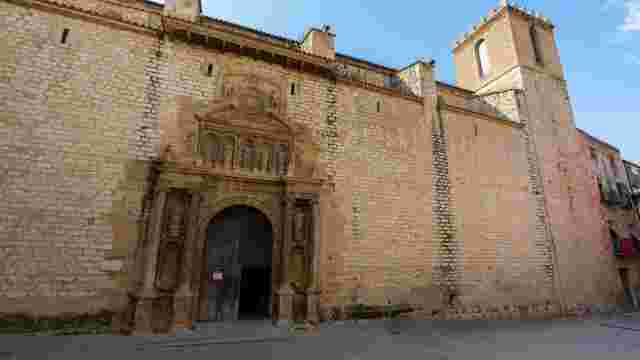
The earliest building was a 12th-century Romanesque church. It was followed by a Gothic church constructed between the 14th and 15th centuries. Finally, in the 17th century, a third and larger religious building was erected. This church was destroyed by fire during the Spanish Civil War.
However, one of the most remarkable phases uncovered during the excavations dates to the Andalusi period. Archaeologists discovered the remains of two houses that underwent several alterations and periods of use between the 10th and 12th centuries. These structures provide valuable information about the organisation of urban space during the Islamic period in Tortosa.
At deeper levels, archaeologists also identified evidence of Late Antique occupation, including fragments of walls and other structures from that period. However, these remains could not be fully excavated because the investigations reached the groundwater table, preventing further excavation.
Together, these discoveries reveal a long sequence of occupation and transformation, helping to reconstruct the history of this part of the city.