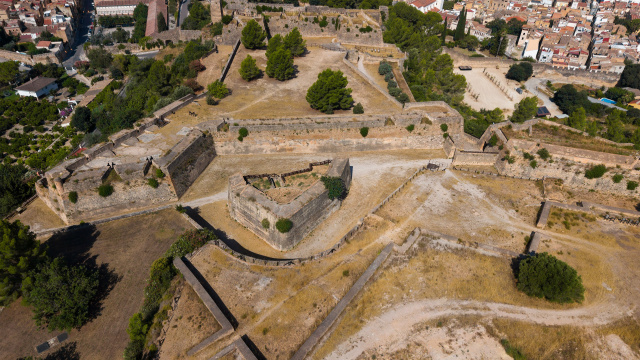
FROM CASTLE TO FORTRESS
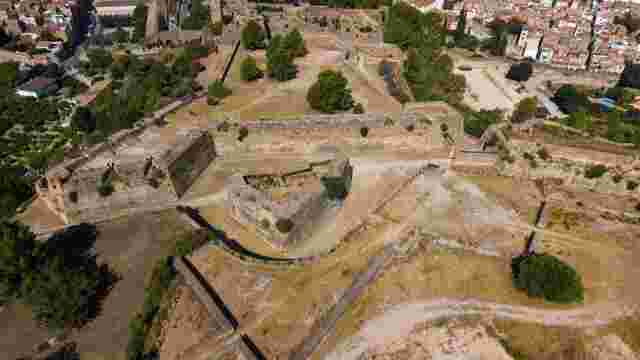
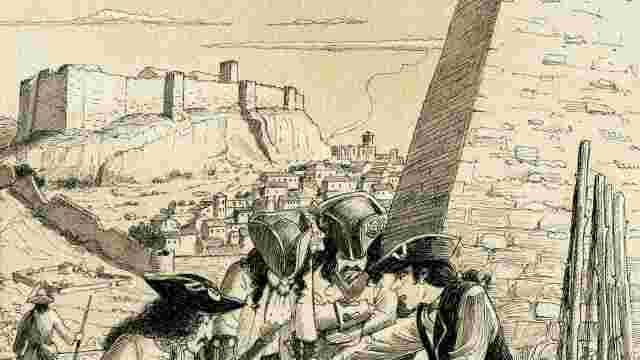
The introduction of gunpowder led to the development of more complex defensive systems, requiring new structures to be built around the entire perimeter of the area that needed protection.
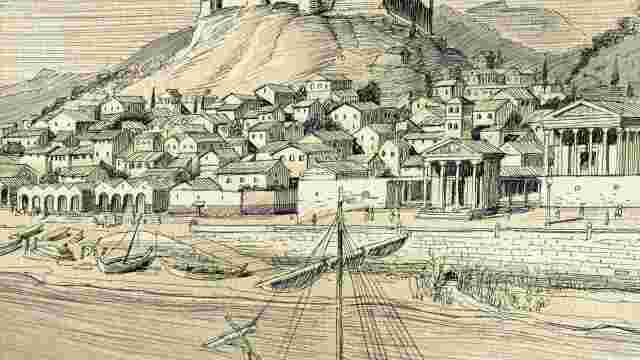
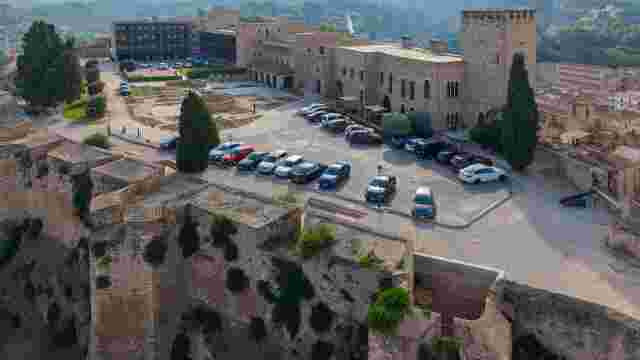
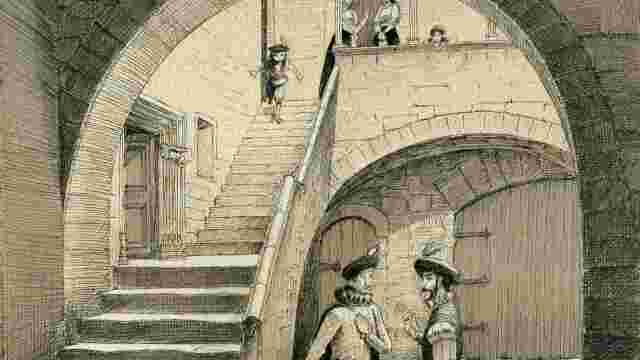
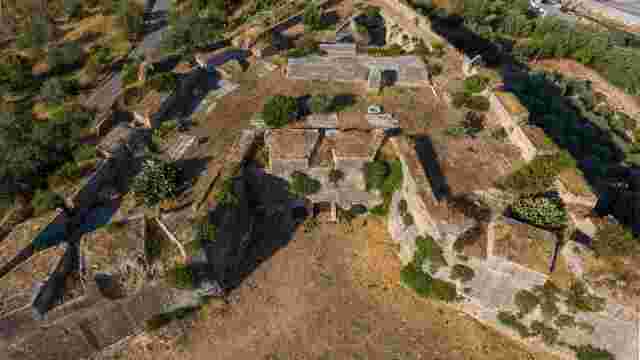
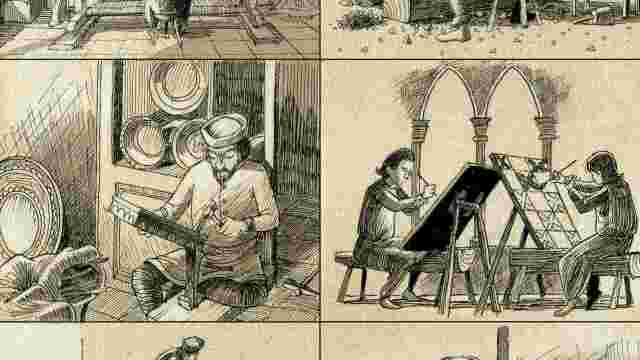
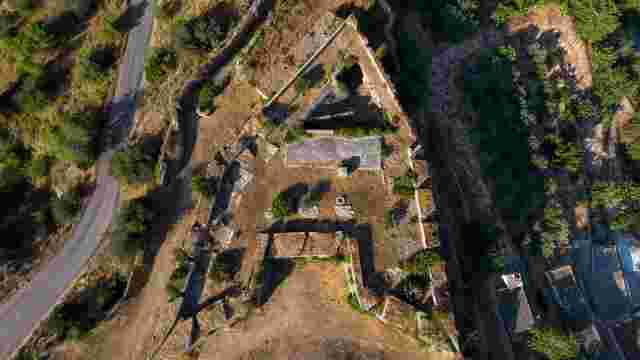
A medieval castle was not simply a defensive structure but also a place where people lived and worked. It contained workshops, bread ovens, livestock, vegetable gardens and other facilities. In many ways, it functioned like a small village. Castles could even serve as palaces or elegant residences for members of the high nobility. For example, during the reign of James I of Aragon, La Suda Castle became a royal palace.
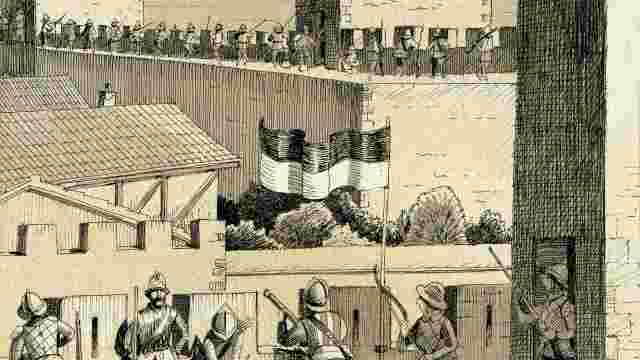
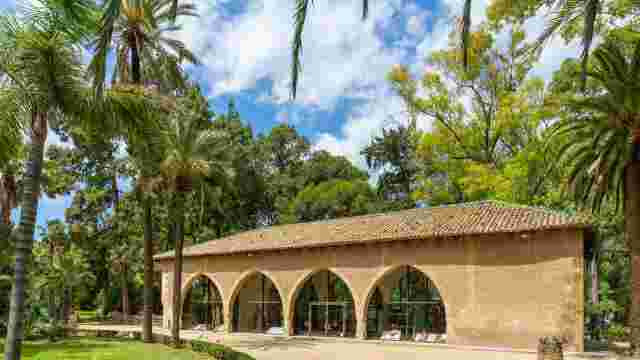
Modern fortresses, by contrast, were built exclusively for defence. They were guarded by a military garrison, although the soldiers did not necessarily live within the fortress itself. In Tortosa, for example, the garrison was stationed at the Sitjar barracks. As a result, these fortresses were more austere spaces, lacking the wide range of services and functions found in medieval castles. Their architecture was designed entirely for defensive purposes. This is why, when visiting fortresses, we do not usually find luxurious rooms or a variety of buildings intended for purposes other than military defence. Instead, we find practical, functional and austere structures.