QUEIXAL DEL TEMPLE (TEMPLE SPUR)
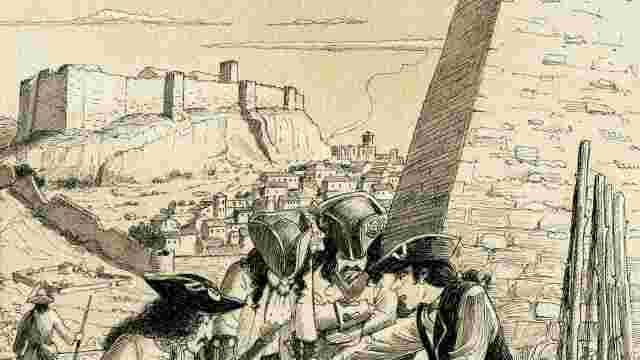
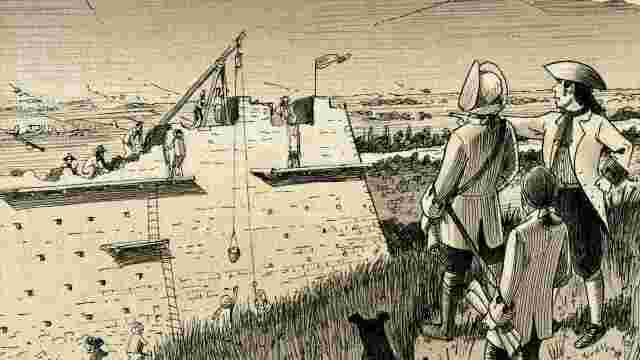
Following the earliest documented construction work in the 1340s, Tortosa's city walls began to be built on a larger scale during the 1360s, in the context of the war between the crowns of Aragon and Castile.
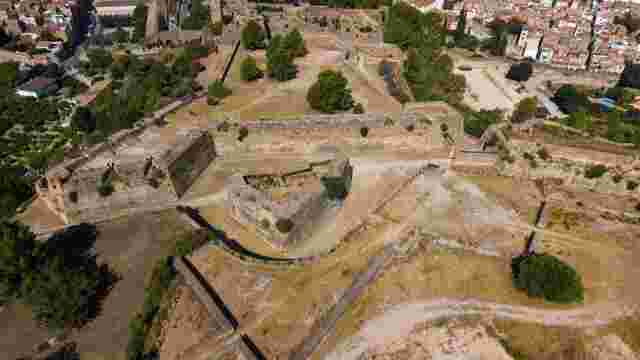
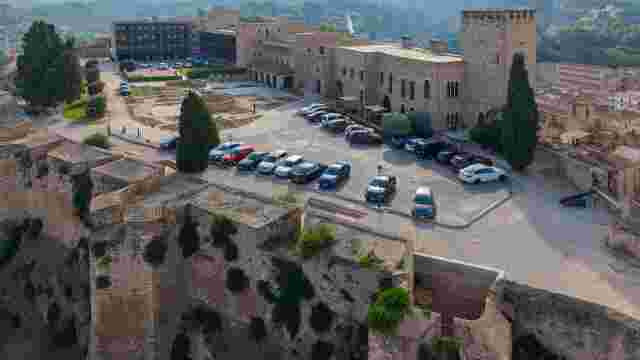
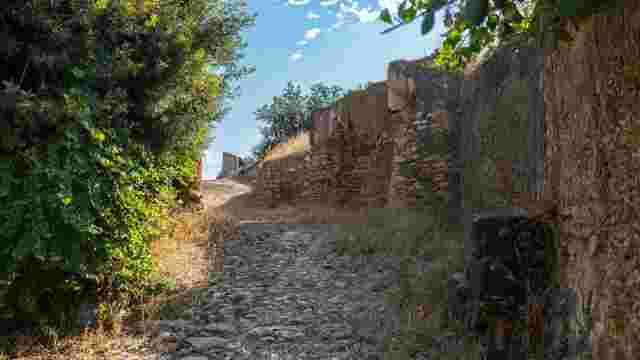
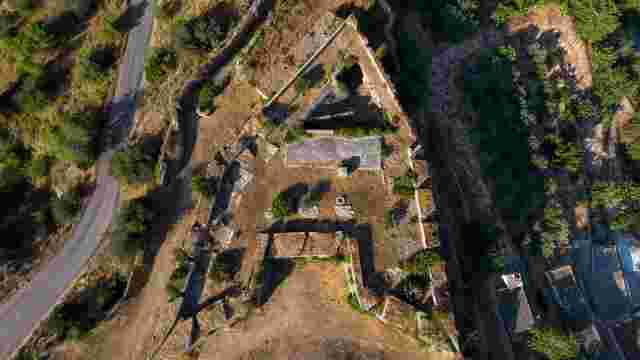
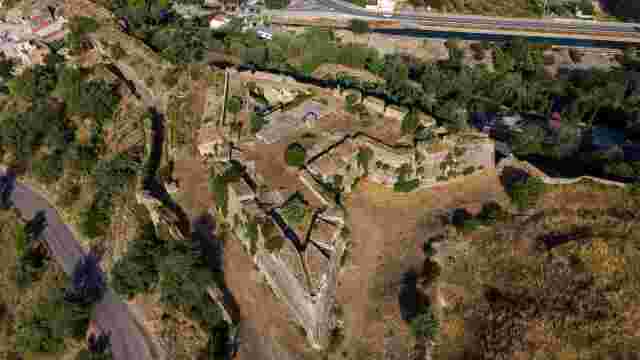
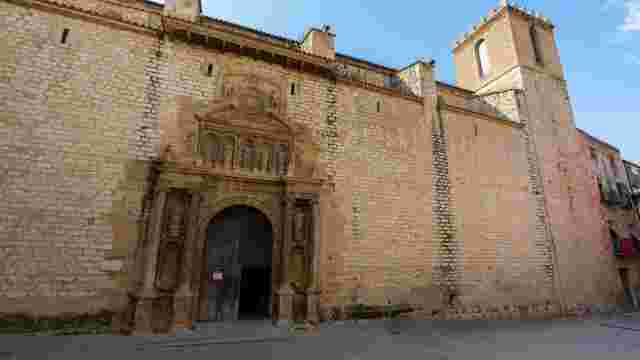
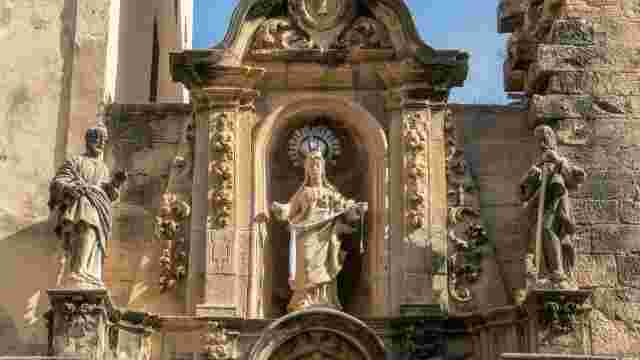
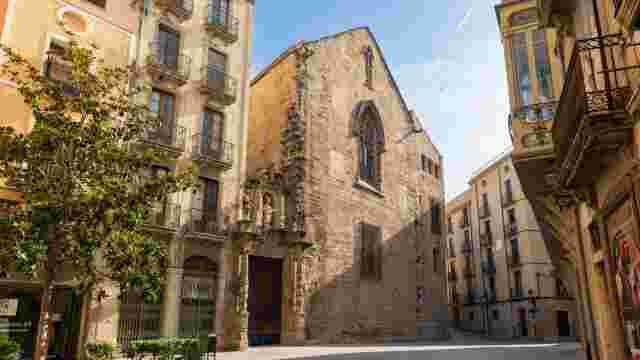
During this period, several buildings in the southern part of the city, including monasteries, were demolished. Their stone was reused to construct the walls, while the clearance of these structures provided space for the new defensive enclosure. The Temple Church, the closest to the river, was preserved and stood beside the structure that later became known as the Queixal del Temple (Temple Spur).
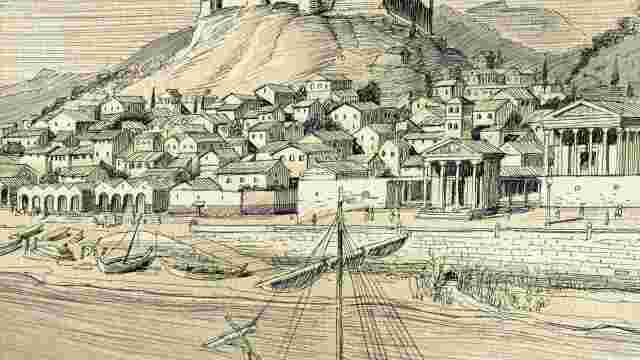
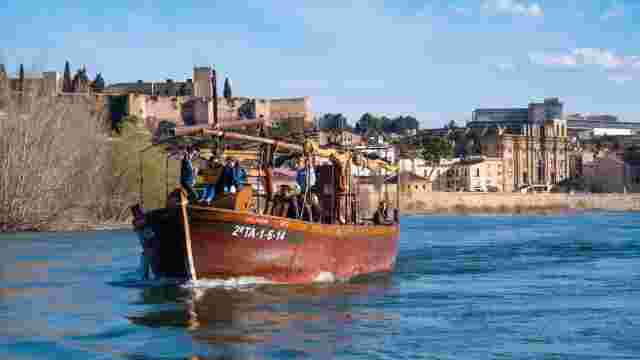
At this location, next to the River Ebro, it was not possible to build extensive defensive structures for two main reasons. Firstly, the area was occupied by the shipyards, the river port and the medieval trading exchange. Secondly, it was essential to keep the space open to allow ships and goods to move freely, ensuring the city's commercial activity could continue.
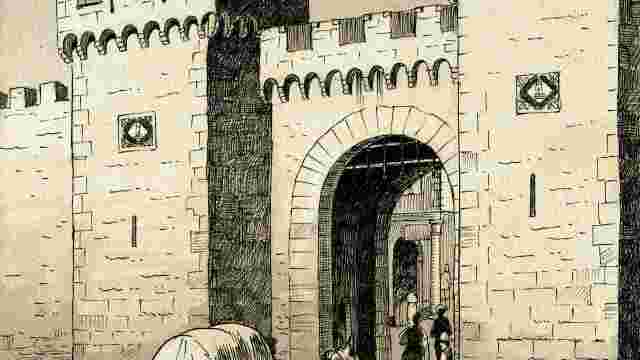
For this reason, during the 1380s, master builder Bartomeu Durà, who was responsible for several monumental constructions in the Terres de l'Ebre and Maestrat regions, was commissioned to enclose the end of this section with a particularly complex polygonal defensive structure. Its purpose was to protect the city against potential attacks.
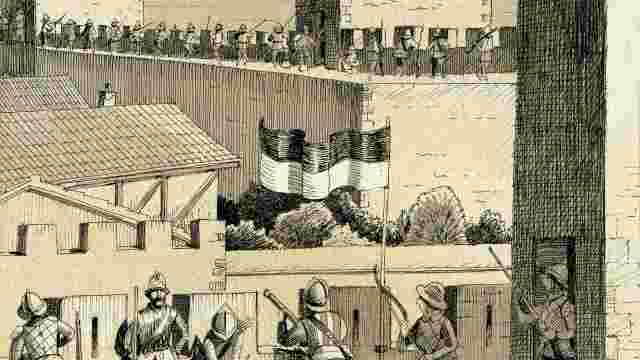
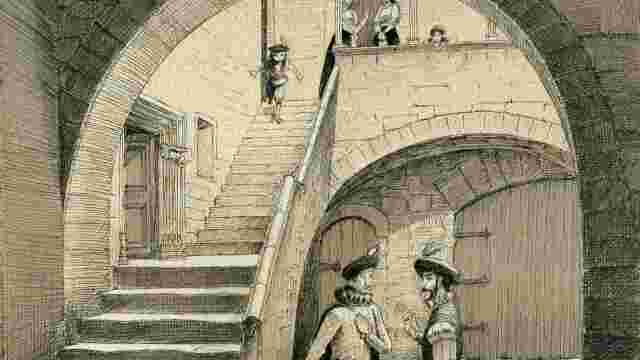
The defensive system was reinforced by additional structures. Historical documents indicate that wooden palisades were erected whenever external threats arose. Furthermore, both the 14th-century trading exchange and several palaces built in the area around 1500 featured fortified façades with battlements.
Together, the Queixal del Temple (Temple Spur) and these additional defensive elements protected one of the most vulnerable sections of Tortosa's medieval walls without obstructing the city's port and commercial activities.