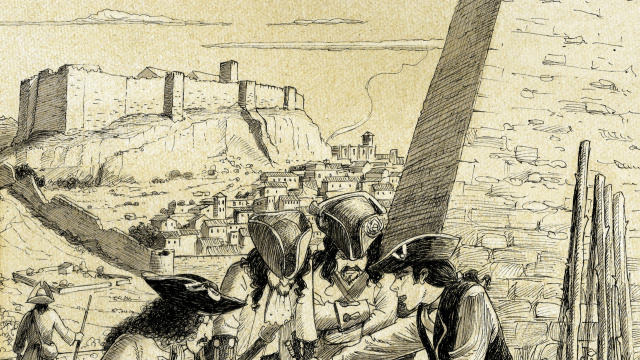
HABSBURG AND BOURBON SUPPORTERS
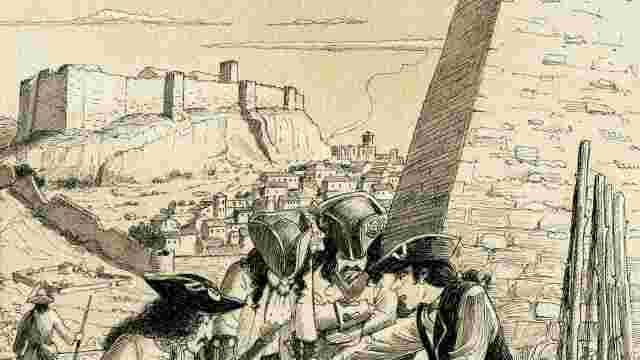
On 25 September 1705, during the Habsburg uprising in the Principality of Catalonia, Tortosa surrendered without resistance to the militias commanded by Josep Nebot. The city came under the control of Archduke Charles and became the Habsburg base for the conquest of the Maestrat region. Following the defeat at Almansa on 25 April 1707 and the Bourbon occupation of the Kingdom of Valencia, Tortosa was besieged by a powerful army commanded by the Duke of Orléans, to which it surrendered on 15 July 1708.
The families most closely associated with the Habsburg cause, such as the Gil de Frederic and Oliver de Boteller families, paid for their allegiance through imprisonment, confiscation of property and exile. The new administration established by Philip V abolished the constitutions of the Principality of Catalonia and replaced traditional Catalan institutions with a centralised system. Municipal councils were replaced by new town councils, while the traditional administrative districts known as vegueries were replaced by corregimientos, governed by military governors.
Despite several attempts to recapture the city and intense guerrilla activity in the surrounding area, Tortosa remained under Bourbon control. For several years, it was incorporated into the Valencian administration (1708–1715), until the Nueva Planta Decree established the new political and administrative organisation of the Principality of Catalonia.