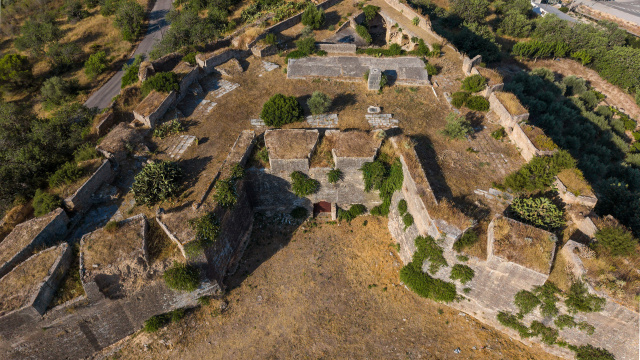
TENASSES FORT
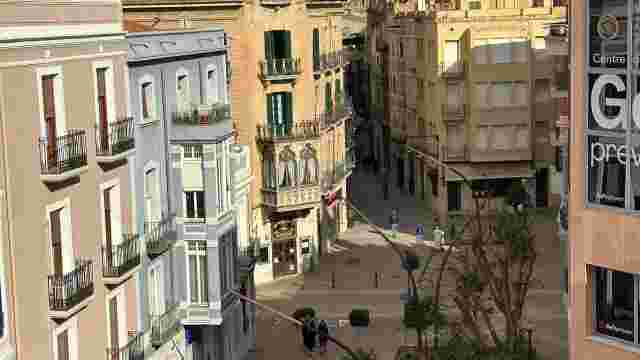
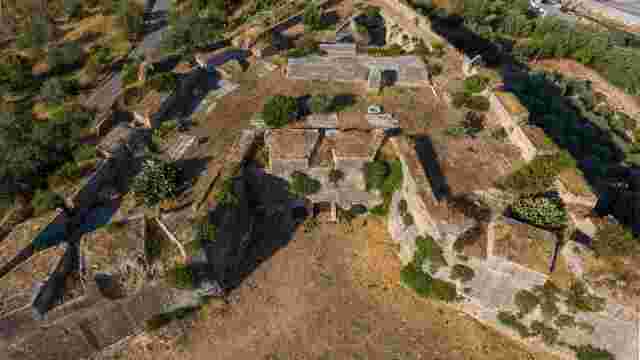
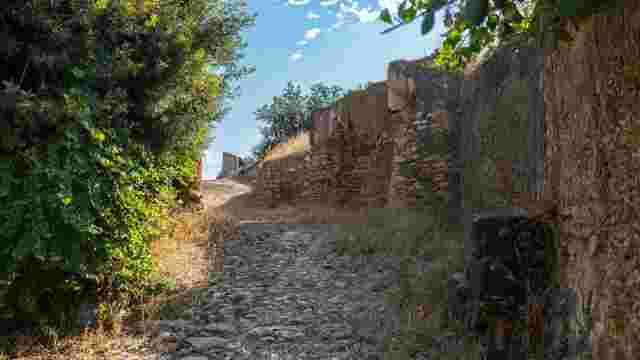
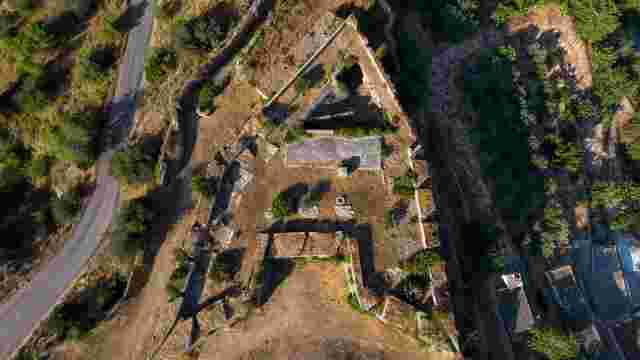
Tenasses Fort stands outside Tortosa's historic city walls and can be reached via the road known as Pujada de les Tenasses. This early modern fortification was built in two phases to strengthen the city's defences and establish Tortosa as a major military stronghold.
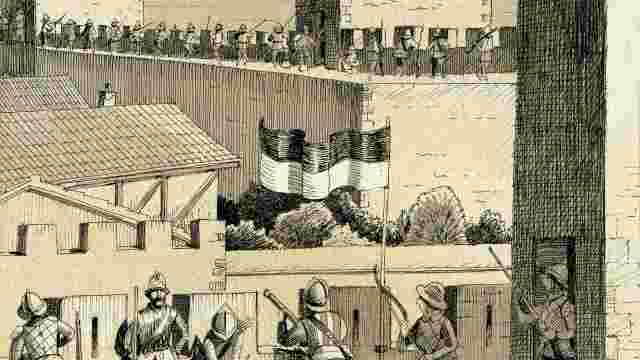
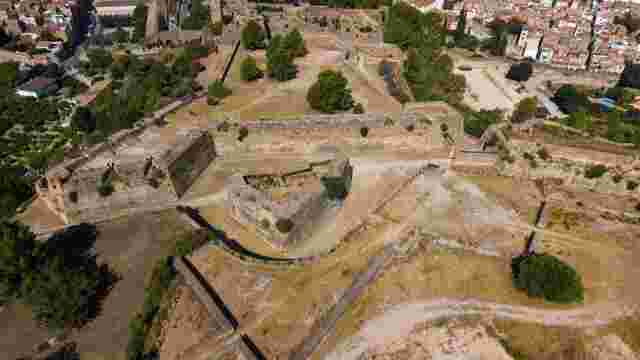
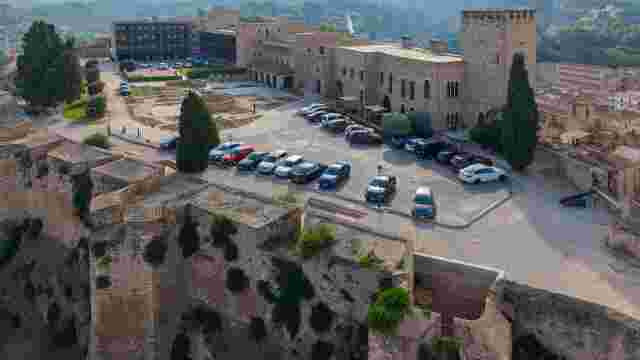
The first phase, closest to the city, dates from the 17th century. It consists of a tenaille, a defensive structure with two lateral flanks: one facing the steep escarpment and the other adjoining the perimeter wall, where the entrance is located. This section includes a moat, a covered way and a gateway leading to two demi-bastions connected by a central curtain wall. Inside are rooms once used to store gunpowder, a water cistern, a courtyard and access to the upper level, where the guard post was located and from which visitors can enjoy impressive panoramic views.
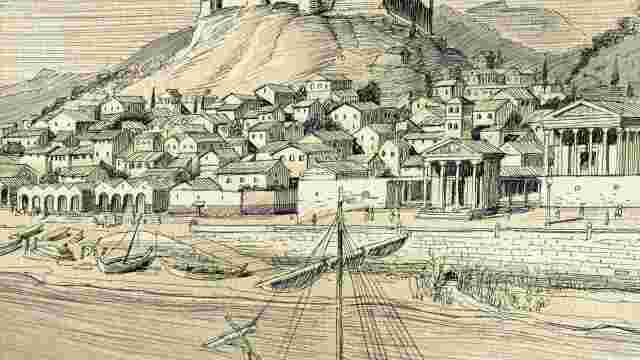
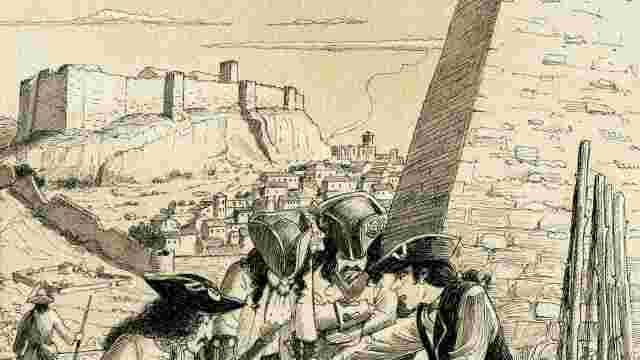
It was from this location that the Flemish artist Anton van den Wyngaerde depicted one of his views of Tortosa in the 16th century, as part of an atlas of cities commissioned by the Spanish Crown.
The second phase, developed during the 18th century, extends beyond the moat and is organised around the parade ground. To the north, it incorporates additional defensive features characteristic of bastioned fortifications, designed to meet the military requirements of the period.
After the fort ceased to serve a military purpose, it was purchased at auction by local businesspeople in the 1970s. In 2014, Tortosa City Council acquired the property, bringing this important part of the city's military heritage back into public ownership.