GASTRONOMY IN TORTOSA
Tortosa's cuisine is rich because of its diversity, and all this variety shares one essential element: memory.
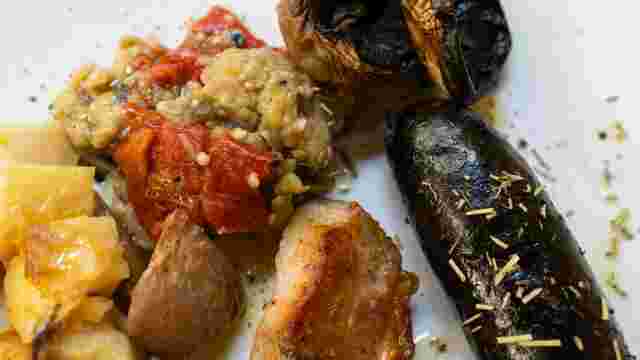
The city's culinary heritage reflects the different cultures that have shaped its identity. Dishes of Arab origin include pastissets, traditional sweet pastries, and marzipan, which takes the form of the traditional bouet at Christmas. Other recipes are closely associated with festivals and celebrations, such as cannelloni, coquetes de Sant Blai, panoli, a traditional sweet pastry, and, more recently, coca del Renaixement, a speciality linked to the Renaissance Festival.
This cuisine draws its ingredients from the varied landscapes surrounding the city. The fertile farmland provides vegetables used in traditional dishes such as cabbage with garlic and salted sardines, truita de borratxets, an omelette made with tender broad beans, and borraines, borage leaves traditionally prepared in batter.
The sea and the Ebro Delta supply ingredients for dishes such as rice with mantis shrimp, eel in sauce and pickled oily fish. These local products are complemented by ingredients brought from further afield, such as salt cod, used to prepare fritters or empedrat, a traditional bean salad.
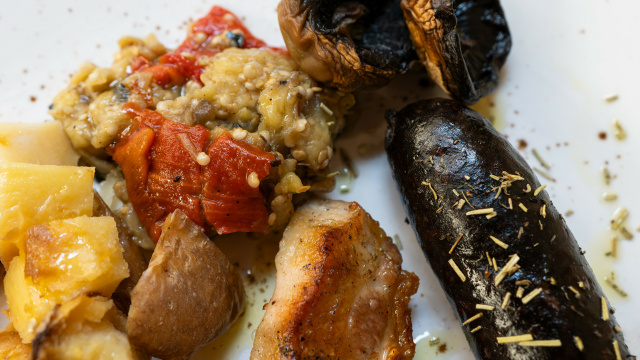
The social diversity of a thriving regional capital is also reflected in its food. Farmers, cathedral canons and the wealthy bourgeoisie all contributed to shaping Tortosa's culinary heritage. This combination of traditions has given rise to specialities such as garrofetes del papa Luna, traditional sweets associated with Pope Luna, and fricandó, a Catalan meat stew, alongside more humble dishes such as olla barrejada, a hearty mixed stew, blood with onions, coc de maçana de l'agredolç, a traditional sweet-and-sour apple cake, and sopes de frígola, a rustic thyme soup.