PLAGUE EPIDEMICS AND THE COUNCIL OF THE MORBO
From 1348 onwards, Europe suffered the devastating effects of plague, an infectious disease caused by the bacterium Yersinia pestis. It is mainly transmitted through the bites of infected fleas carried by small mammals, particularly rodents such as rats.
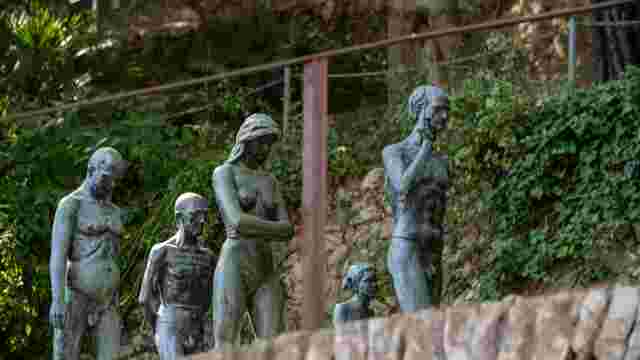
Plague had an extremely high mortality rate and profoundly affected everyday life, regardless of social status, religion, age or gender. Rich and poor, Christians and Jews, men, women and children all suffered the consequences of successive epidemics.
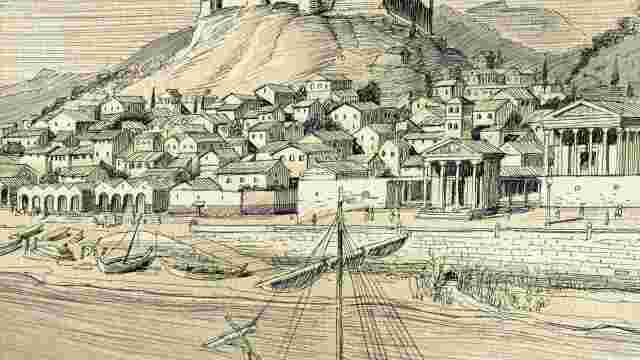
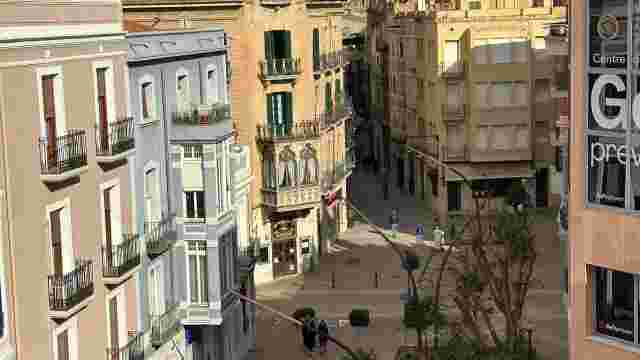
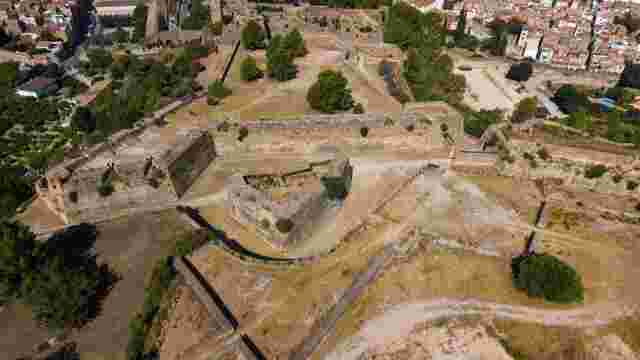
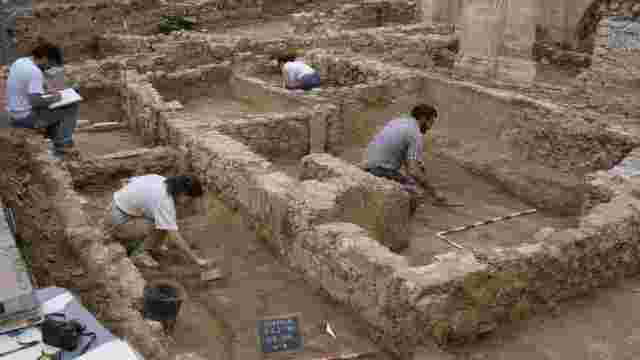
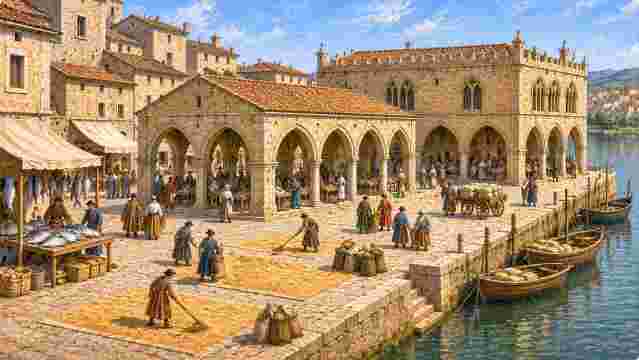
Tortosa was no exception. The most significant consequences included a decline in population and a reduction in economic activity, which disrupted the city's development.
During the 15th and 16th centuries, periods of demographic and economic recovery were repeatedly interrupted by new waves of infection, once again threatening the population.
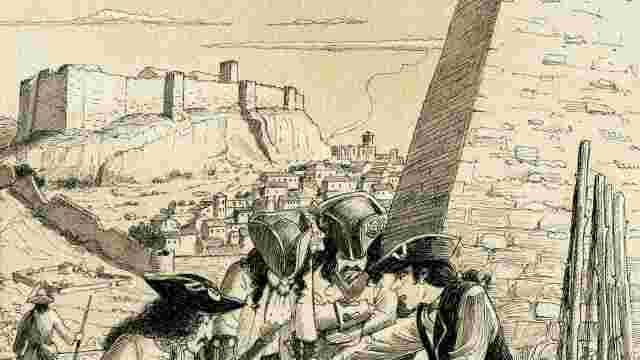
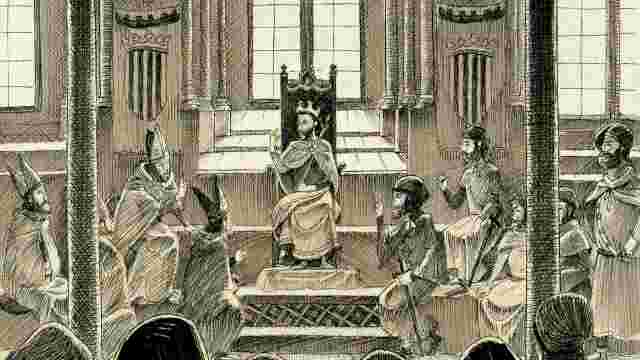
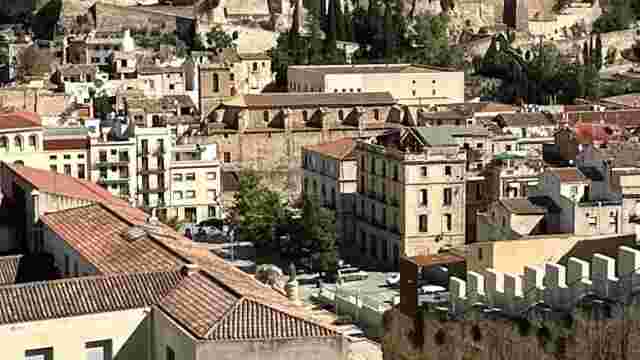
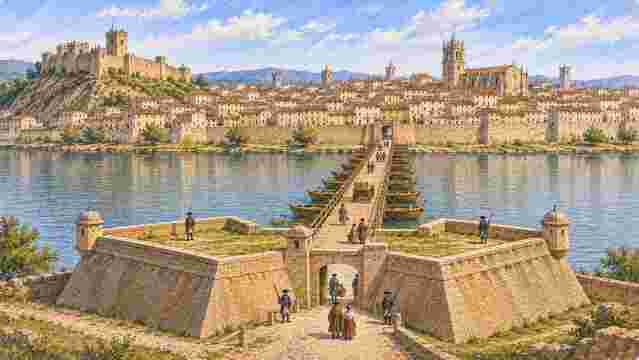
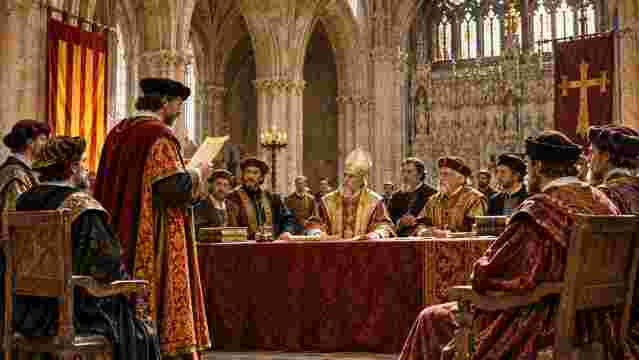
In response, Tortosa established the Council of the Morbo (Consell del Morbo) in the 16th century. This institution consisted of public representatives responsible for preventing plague from entering the city whenever outbreaks were reported in nearby settlements.
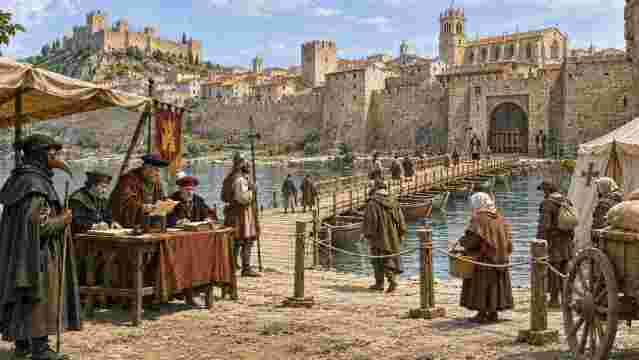
At a time when the causes of the disease were unknown and effective treatments were unavailable, isolating people and controlling movement were among the main measures used to try to contain infections.
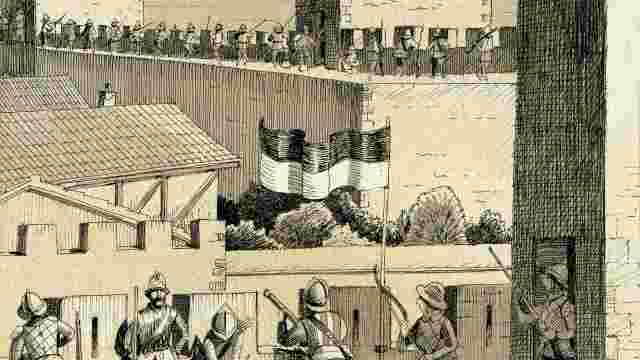
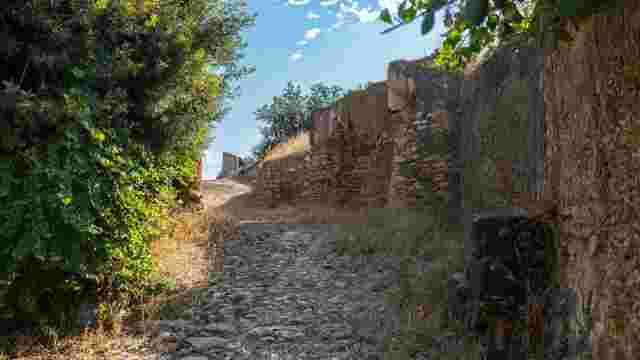
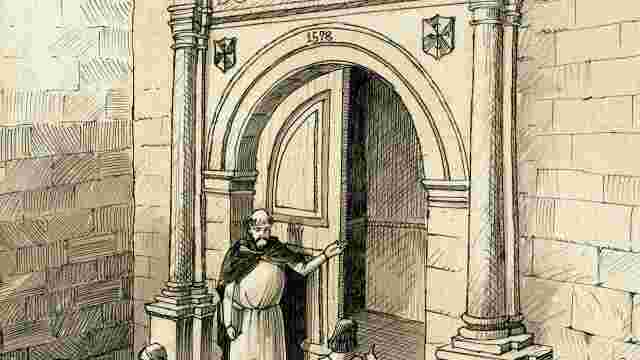
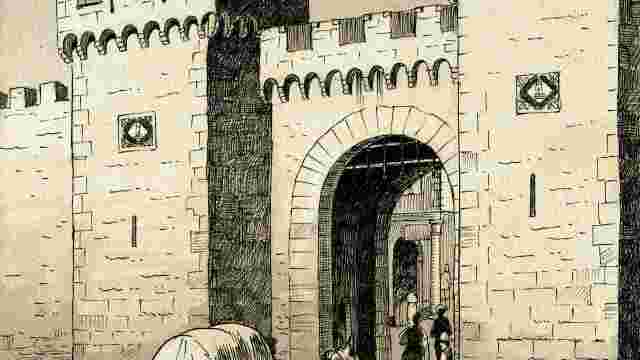
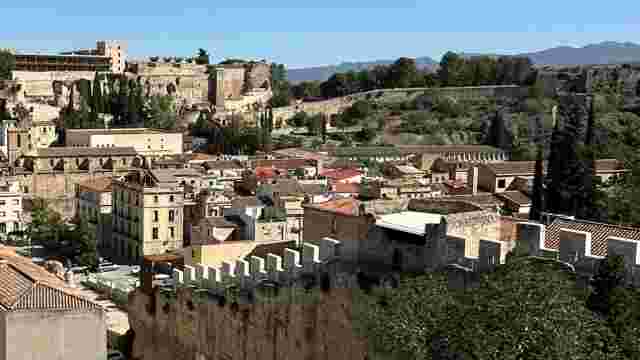
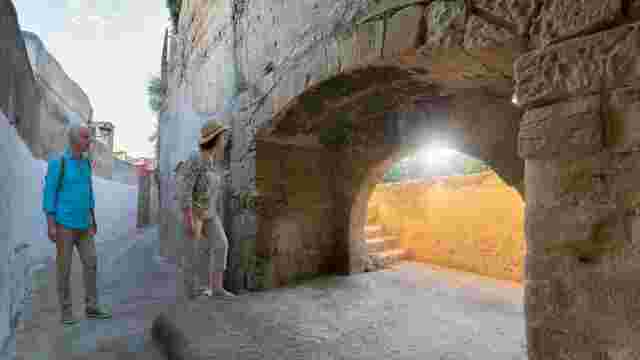
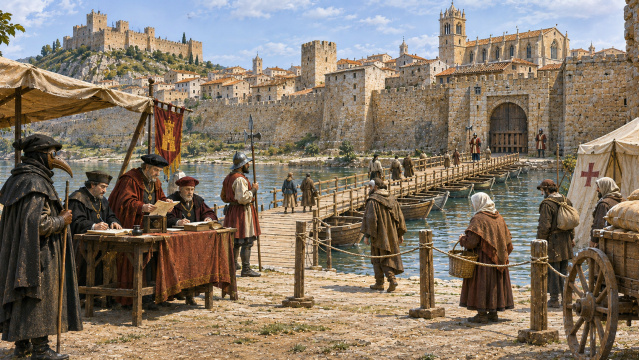
The Council's responsibilities included deciding when to close or reopen the gates in the city walls, controlling the entry of people arriving from affected areas, and imposing quarantine on those who were ill or suspected of being infected.
The institution illustrates the profound influence of epidemics on the organisation of urban life and the efforts made by Tortosa's authorities to protect public health.