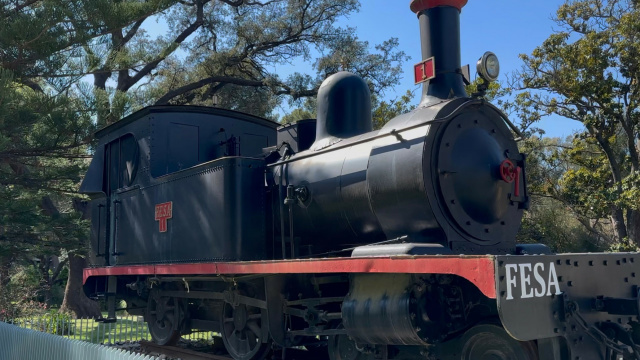
THE TORTOSA–LA CAVA NARROW-GAUGE RAILWAY
The Tortosa–La Cava railway, popularly known as the Carrilet, was a narrow-gauge railway that connected Tortosa with the settlements of the Ebro Delta for much of the 20th century.
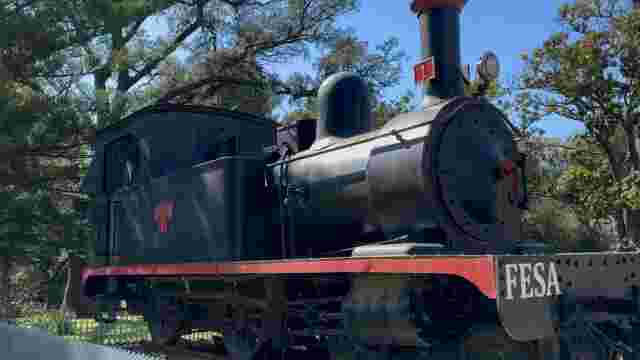
The line was built and operated by the Compañía de Ferrocarriles Económicos, S. A. (FESA), with financial backing from the Bank of Tortosa. Its primary purpose was to transport rice grown in the Delta to Tortosa, while also improving communications between the delta communities and the inland districts.
Construction began in 1924. The first section, connecting Tortosa and Amposta, opened in 1926, and the extension to La Cava entered service in 1927. The line was approximately 27 kilometres long and had a metre-gauge track, with rails spaced one metre apart.
The Carrilet became an essential means of transport for local communities. In addition to carrying goods, it made everyday journeys easier and provided access to Tortosa's services and markets.
Traffic was particularly intense during the post-war period, partly because of the movement of goods associated with black-market trading.
However, improvements to the road network and competition from cars, lorries and buses gradually led to the railway's decline. The Carrilet made its final journey on 31 December 1967, and the service was permanently discontinued from 1968.
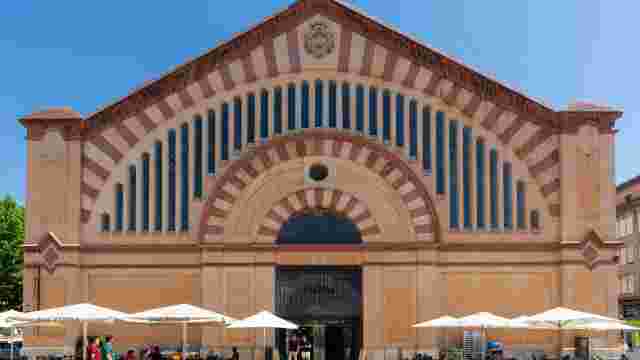
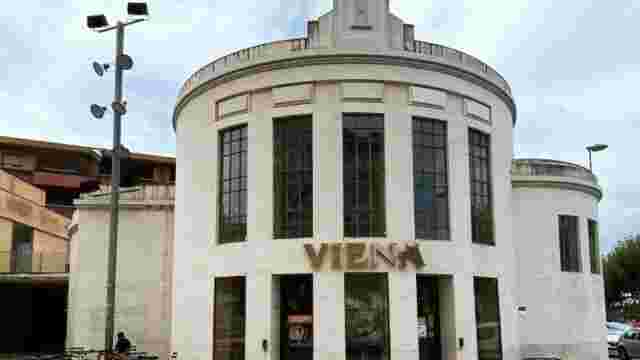
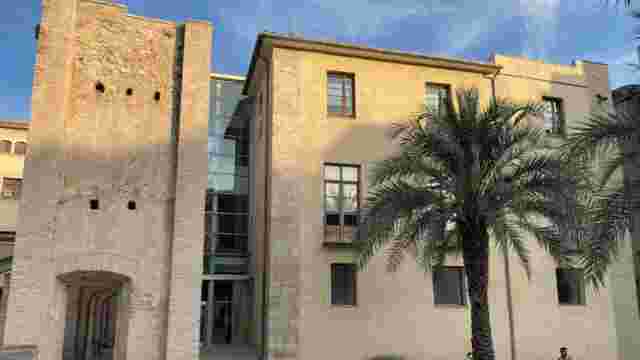
Among the surviving reminders of the railway is the former passenger station building in Tortosa, designed in a historicist architectural style and built in the late 1920s.
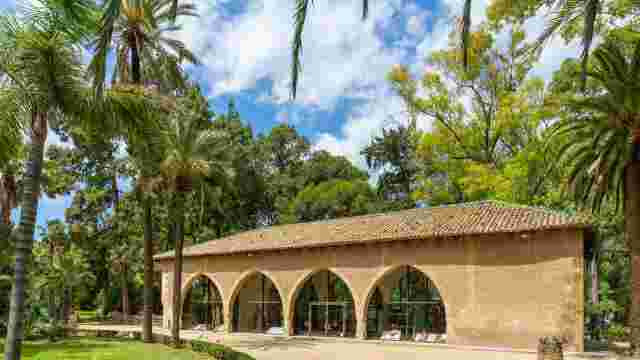
One of the original steam locomotives, number 1, has also been preserved. Restored and displayed in the Teodor González Municipal Park, it commemorates a railway that played an important role in the life of the Baix Ebre region.
The Carrilet also remains part of local popular culture, particularly through the traditional song dedicated to it by Josep Bo.