PLAÇA DEL PAIOLET
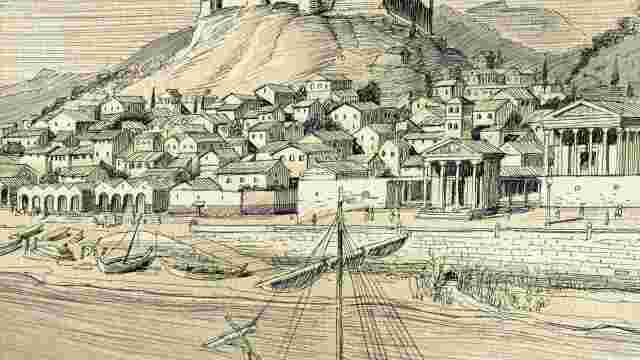
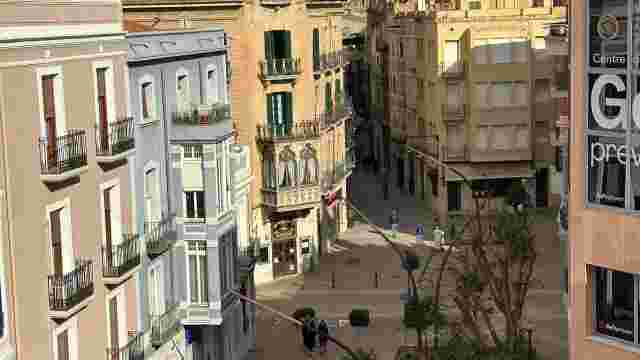
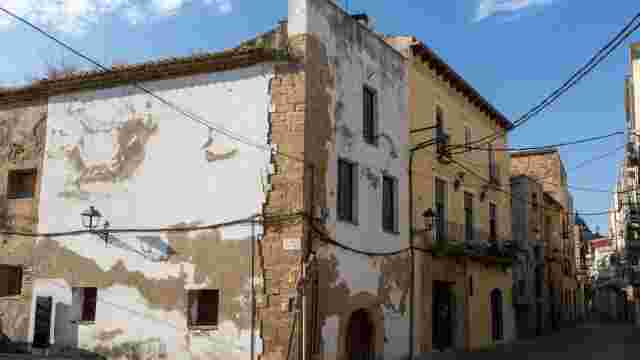
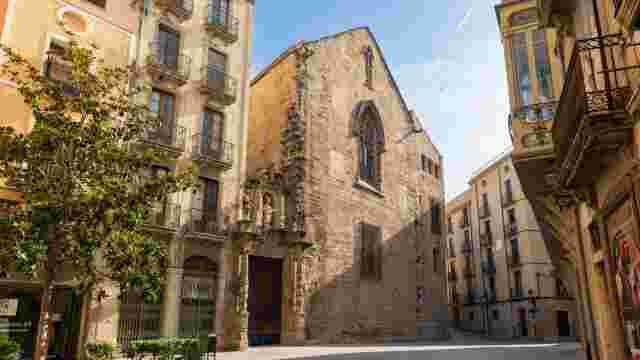
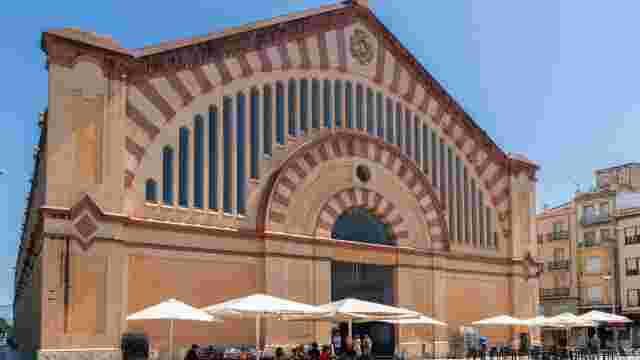
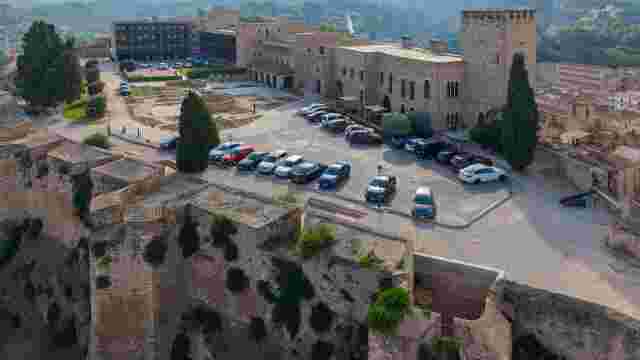
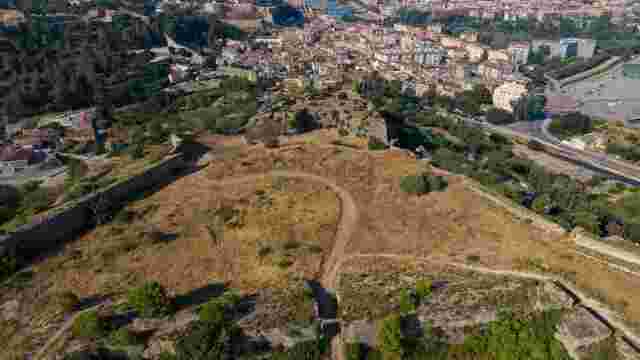
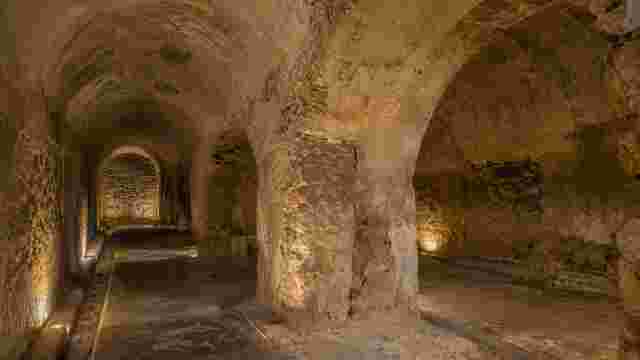
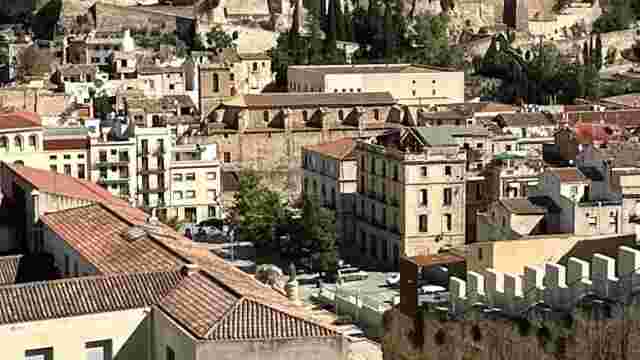
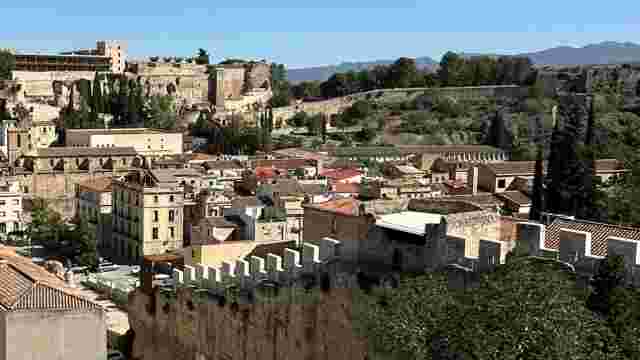
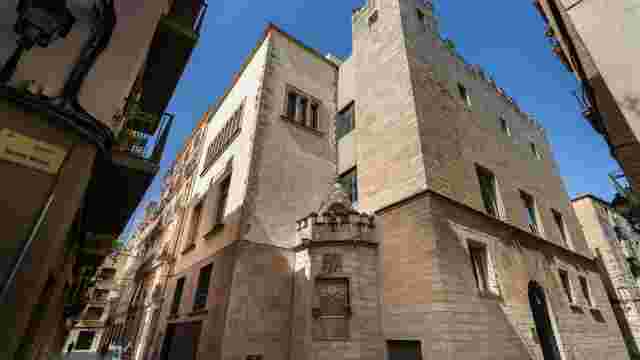
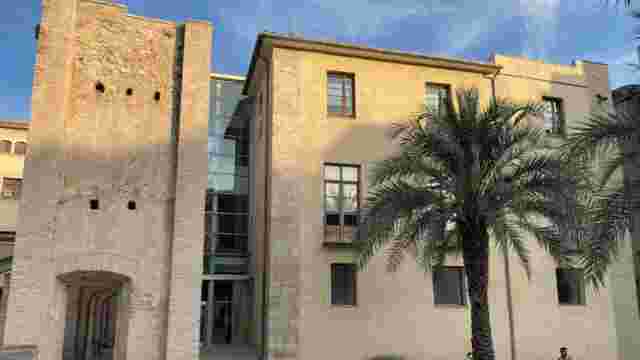
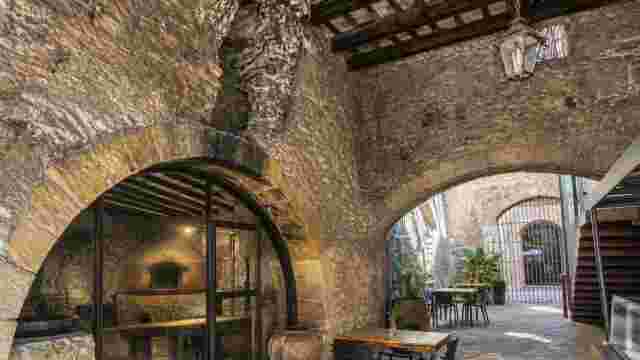
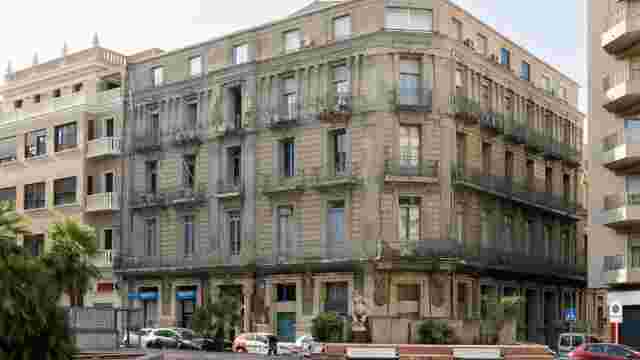
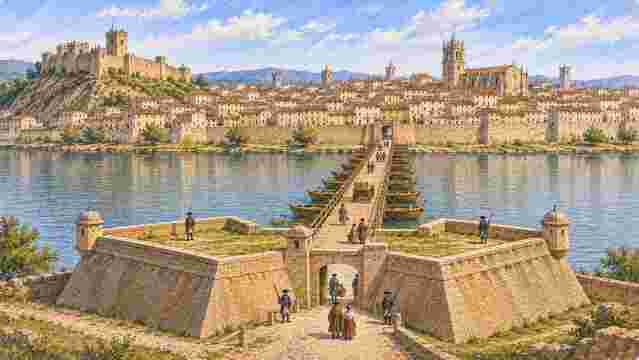
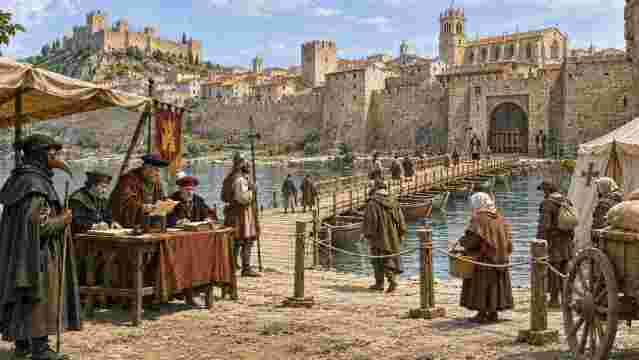
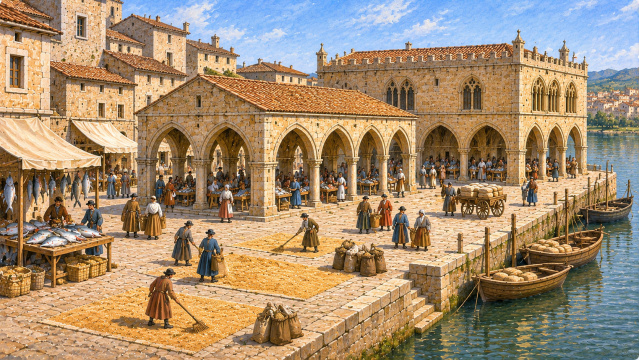
Plaça del Paiolet preserves, through its name, the memory of the thriving commercial activity that characterised the south-western part of Tortosa during the Middle Ages. This area near the River Ebro contained grain-drying areas, storehouses known as pallols, and other facilities associated with trade.
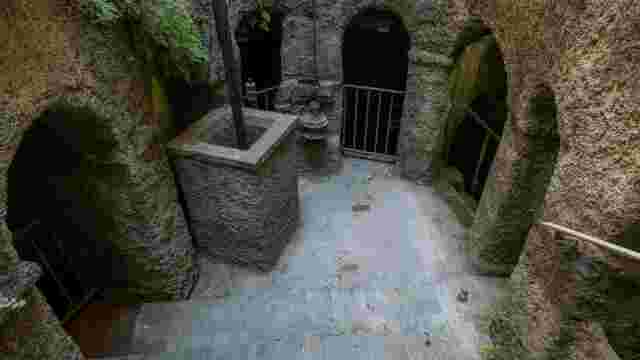
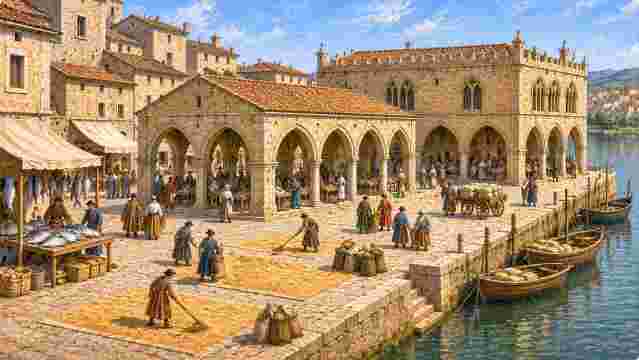
Catalan dictionaries define the term pallol as a building used to store wheat and other cereals for the population's consumption. The word can also refer to a paved threshing or drying area where grain transported by river was unloaded.
Although the place name Paiolet came into use relatively recently, it reflects the historical character of this part of the city.
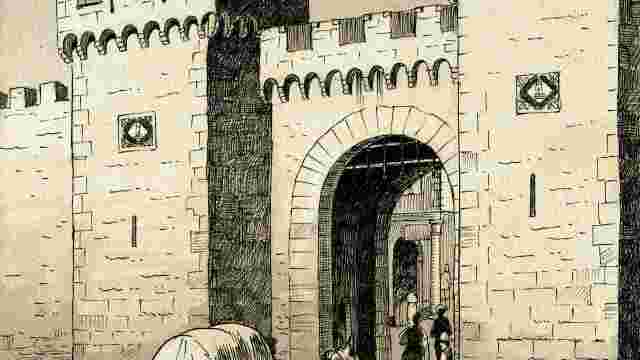
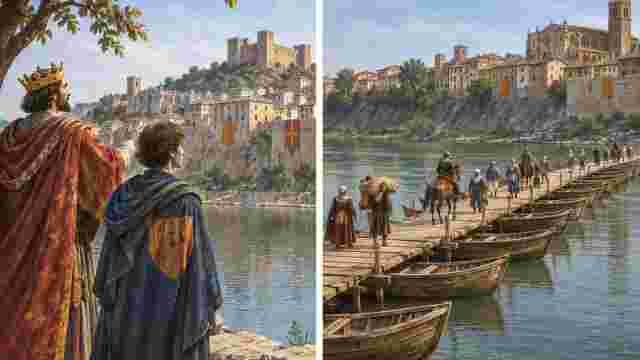
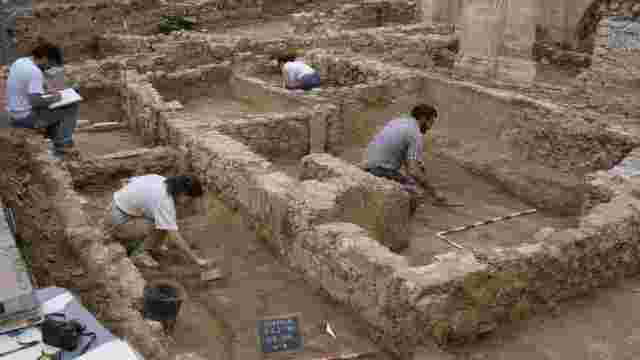
During the second half of the 14th century, the area underwent significant urban and commercial development. A monumental fish market accessible by boat was built, alongside loading and unloading quays, shops, the trading hall known as the llotja, and several pallols associated with the grain trade.
Wheat, known as forment in medieval Catalan, was essential to the population's diet. Medieval documents emphasised its importance with the expression de què les gents han vida, meaning "that on which people's lives depend".
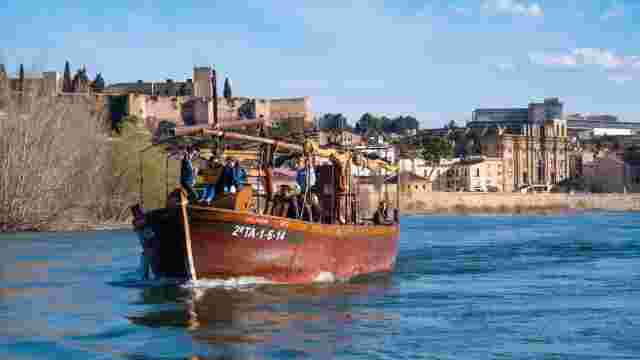
Grain arrived by river and was unloaded onto the paved areas beside the water. Once dried, it was taken to the trading hall, where it was stored and sold.
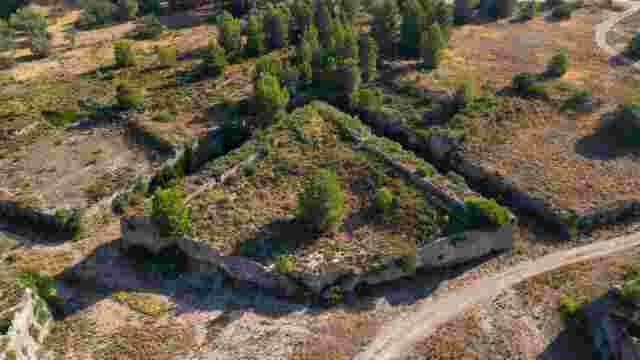
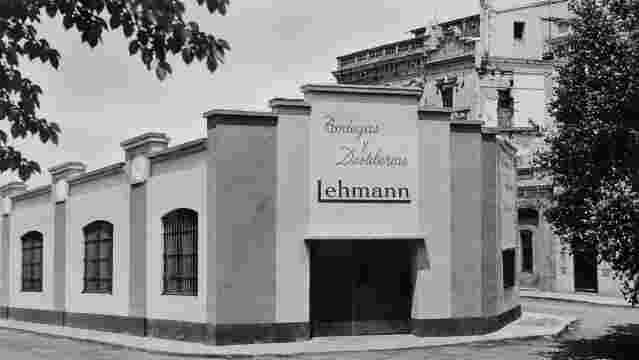
Over the centuries, the simple structures of the pallols disappeared from the urban landscape. Nevertheless, the name Paiolet has survived to the present day, preserving an important part of Tortosa's historical memory and recalling the role of river trade in the city's development.