TORTOSA, A CENTRE OF ART IN THE MEDIEVAL AND EARLY MODERN PERIODS
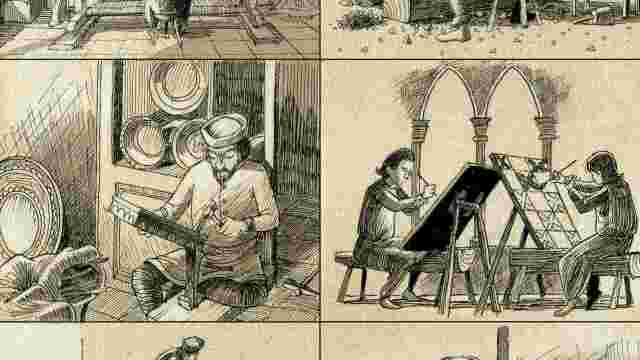
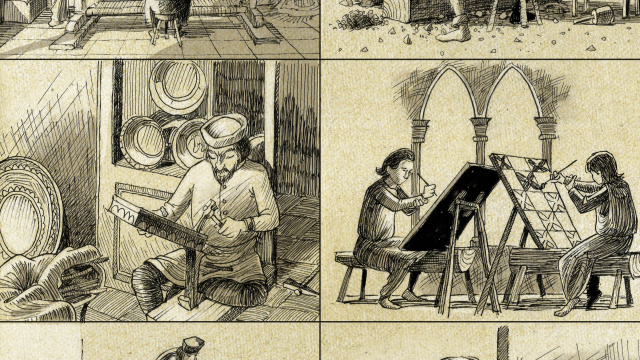
Tortosa was a remarkable artistic centre during both the Christian medieval period and the early modern era. The earliest documented painting and sculpture workshops date back to the 14th century. Artistic objects had, of course, existed in the city before then, but the lack of surviving historical records makes it difficult to place them in their proper context. Furthermore, much of the locally produced painting, sculpture and silverwork has been lost for various reasons, including the passage of time, changes in artistic tastes and armed conflicts. Nevertheless, a significant collection of works has survived and can be found in the city's museum and cathedral complex.
Among the most remarkable pieces is the Cathedral's main altarpiece, an impressive structure combining painting and sculpture, both influenced by Italian artistic traditions and created in Tortosa during the mid-14th century. This masterpiece nearly disappeared when the growing preference for Baroque aesthetics led Bishop Auter to commission a new altarpiece to replace it. However, the bishop's death in 1698 brought the replacement project to a halt.
Almost a century later, a workshop producing Flemish-style tapestries was established in the city on the Ebro, under the direction of the French master Joan Falsison. The presence of such a workshop in Catalonia for two decades was exceptional, as large tapestries were normally produced in workshops in northern France and Flanders before being distributed throughout Europe. One surviving example of Tortosa's local tapestry production is El drap de la cena (The Last Supper Tapestry), preserved in the Cathedral. It depicts the Last Supper in the centre, the Agony in the Garden on the left and Jesus Christ's entry into Jerusalem on the right.