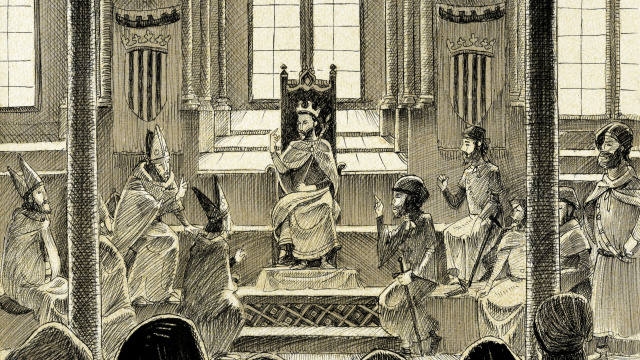
THE MEDIEVAL COURTS IN TORTOSA
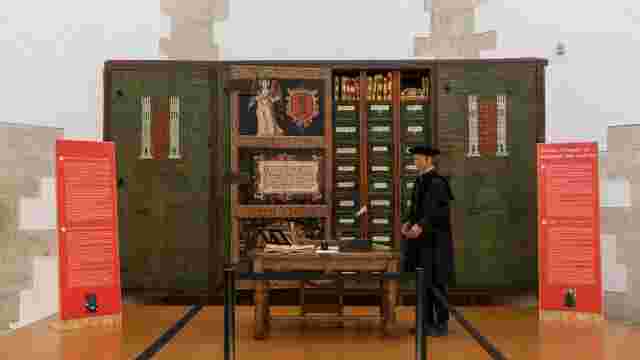
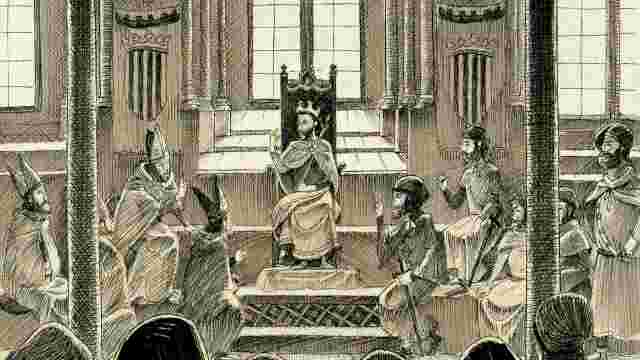
From the 13th century until the Nueva Planta Decrees of the 18th century, three territories of the Crown of Aragon — the kingdoms of Aragon and Valencia and the Principality of Catalonia — held representative assemblies known as the Courts, or Corts. The Kingdom of Mallorca, however, did not have its own equivalent assembly and instead sent representatives to the Catalan Parliament. The decisions made by these assemblies had legislative authority that took precedence over royal edicts.
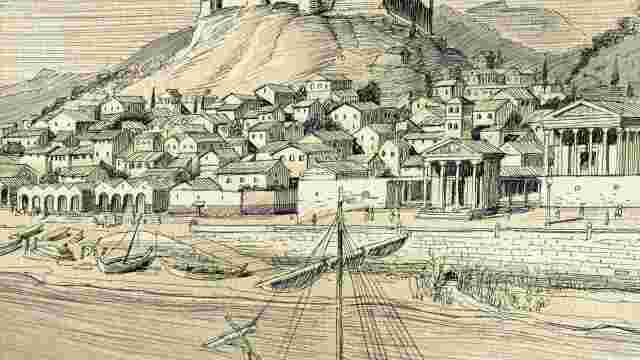
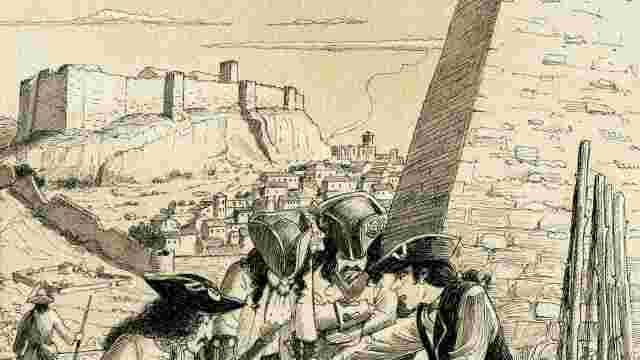
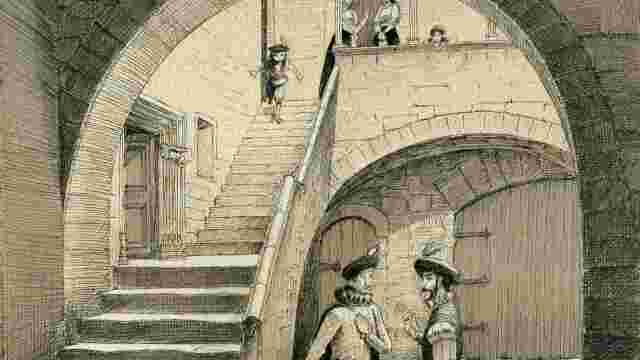
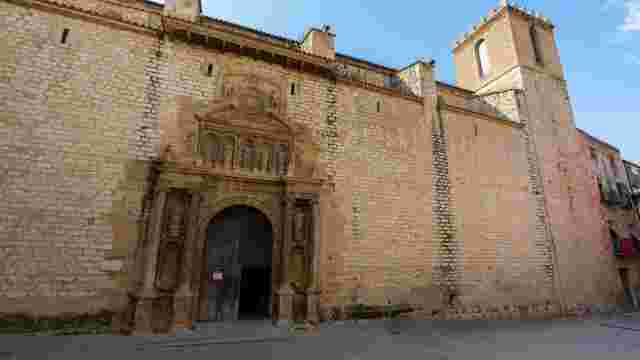
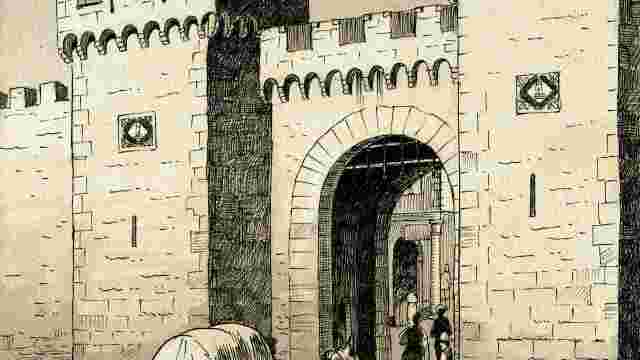
Like the royal court itself, these assemblies met in different cities, and Tortosa hosted several sessions in 1225, 1365, 1370, 1429, 1442 and 1495. In addition to these separate territorial assemblies, general courts of the Crown of Aragon were also held, usually in Monzón, bringing together representatives from Aragon, Catalonia and Valencia.
In 1365, during the war between the crowns of Aragon and Castile, Tortosa hosted one of the most significant sessions of the Catalan Courts ever held in the city. A few years earlier, at the assemblies held in Barcelona, Vilafranca and Cervera in 1359, an institution regarded as the predecessor of today's Government of Catalonia had been established: the Diputació del General, a permanent body of twelve deputies responsible for collecting revenue and managing public debt issued by the monarchy.
At the 1365 session in Tortosa, the deputies began serving three-year terms and receiving payment for their work, helping to consolidate the institution.
However, the Catalan Parliament did not meet exclusively at the king's request. Another notable assembly took place in Tortosa in 1411, following the death of King Martin I, known as Martin the Humane, without a legitimate heir. A successor to the throne of the Crown of Aragon had to be chosen.
The representatives of the Crown's different territories, meeting in Caspe, eventually selected Ferdinand of Antequera. The Catalan Parliament, which had gathered in the chapter house of Tortosa Cathedral, had supported another claimant, James of Urgell.
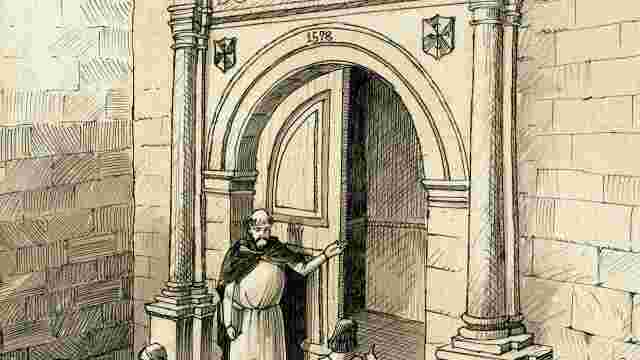
On the eastern side of the Cathedral cloister, visitors can still see remains of the doorway and windows of the room where this historic assembly was held.