THE JEWISH GATE
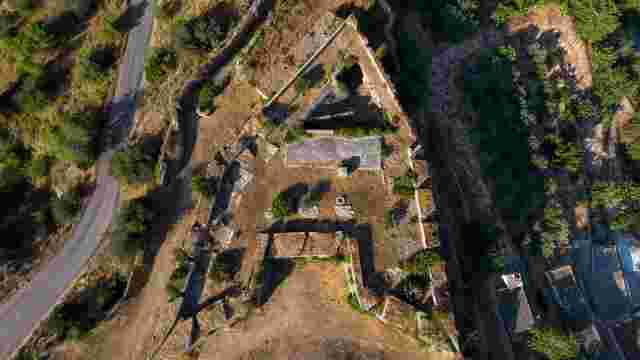
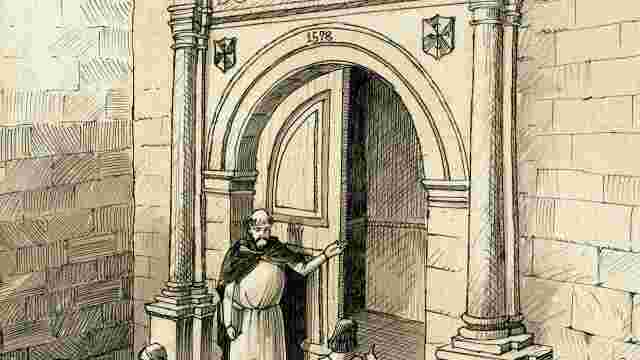
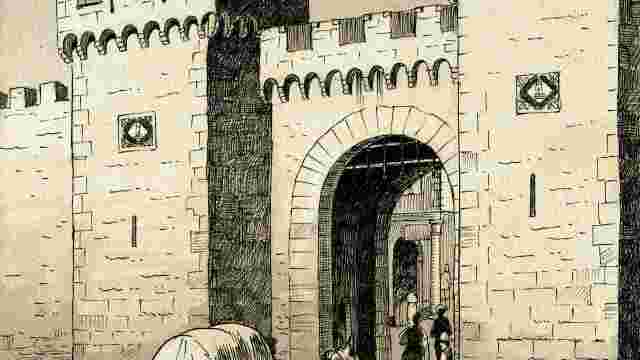
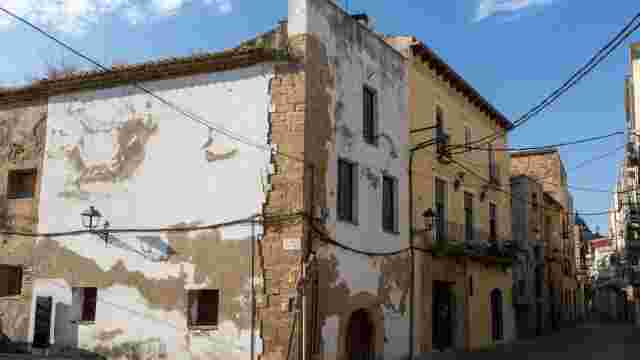
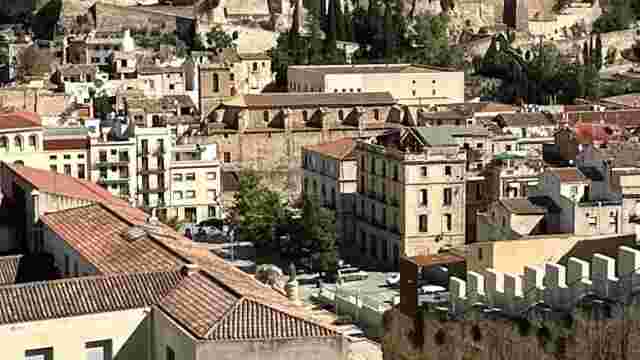
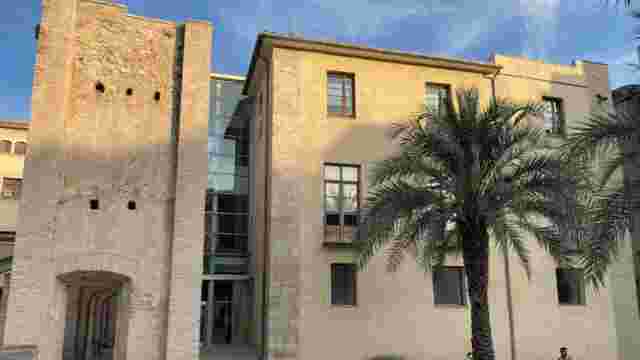
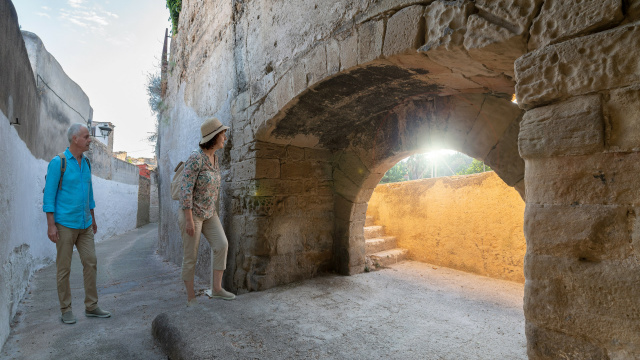
The Jewish Gate is one of the few surviving entrances in Tortosa's medieval city walls. Located on the eastern side of the city, it took its name from its position in the newer Jewish quarter. It was also known as the Iron Gate because its doors were reinforced with iron.
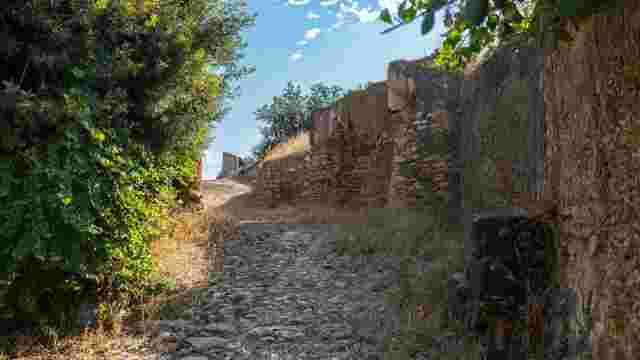
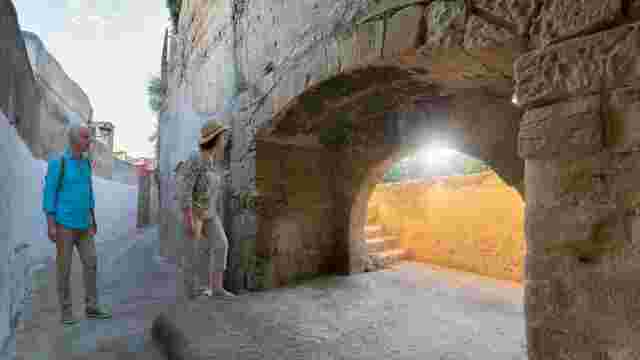
Today, the rise in street level, particularly outside the walls, makes the gateway's voussoir arch appear much lower than it originally was.
Historical records do not establish precisely when the gate was built. However, this section of the city walls is known to date from the late 14th century, when most of Tortosa's defensive enclosure had already been completed.
Major repairs were carried out in 1421 under the direction of master builder Bernat Gual, who was also involved in constructing the first weir across the River Ebro, near Xerta and Tivenys.
The gateway played a particularly useful role during major floods. When the monumental Vimpesol Gate, located to the north of the city, became inaccessible because of rising water, the Jewish Gate provided an alternative entrance to the walled city.
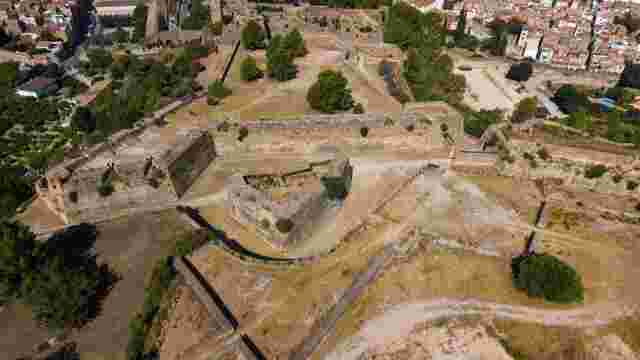
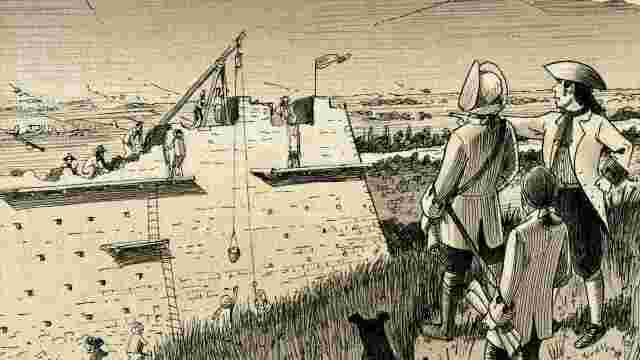
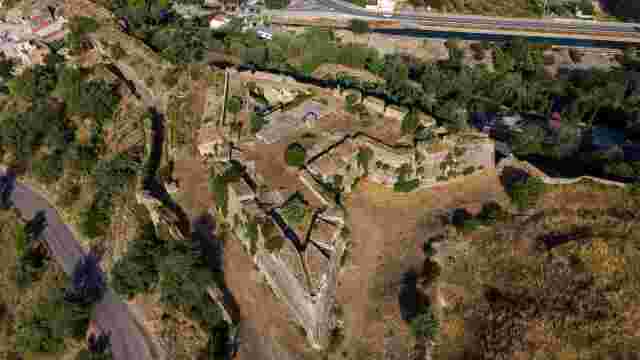
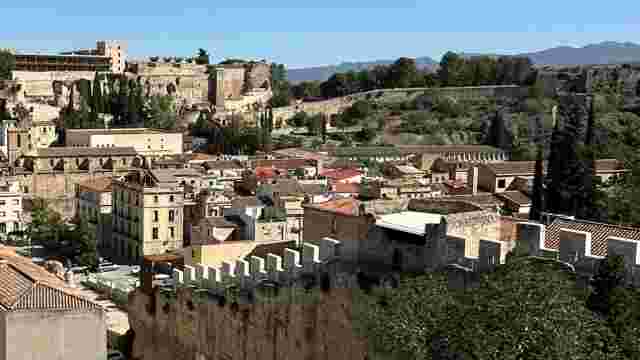
From the gateway, the walls extend both northwards and southwards. The southern section was completely rebuilt during the early modern period, with the addition of an extensive system of advanced fortifications.
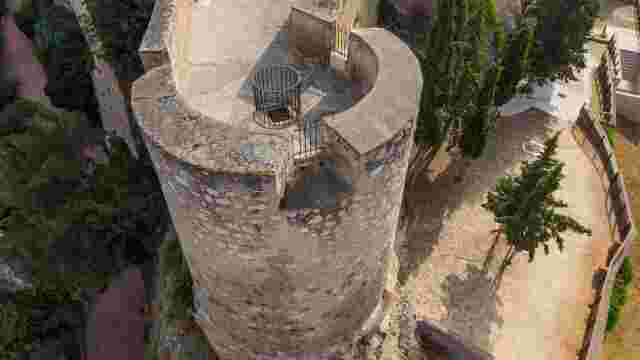
To the north, however, only a short stretch of wall was reconstructed, next to the round tower now known as the Torre del Cèlio. This section can be distinguished from the medieval masonry by its slight outward inclination and the use of larger stone blocks.
The surviving medieval wall is one of Tortosa's most remarkable examples of defensive architecture. It consists of a vertical wall built using stone-rich rammed earth and covered with a protective layer described in historical documents as crosta de calç, or lime crust.
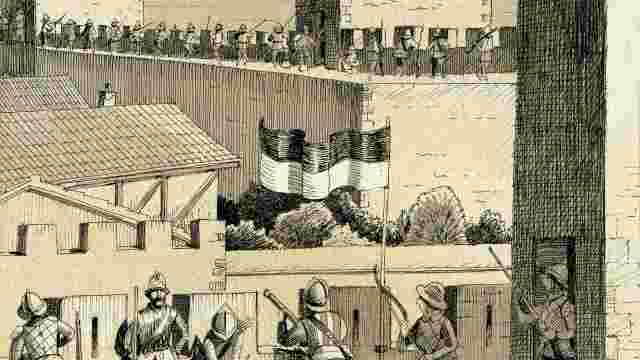
The upper part retains its battlements and projecting hook-shaped supports, added during the 1460s in the context of the Catalan Civil War.
These supports held wooden defensive structures known as ballesteries, which enabled crossbowmen to shoot arrows while remaining protected from enemy attacks.