THE HOUSE OF SANT JORDI
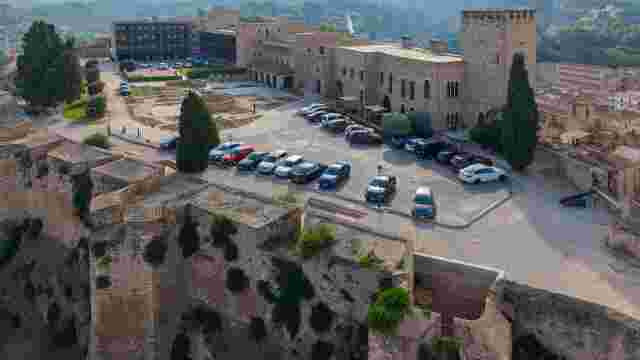
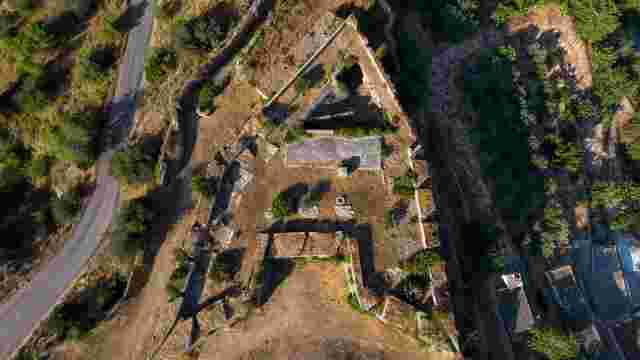
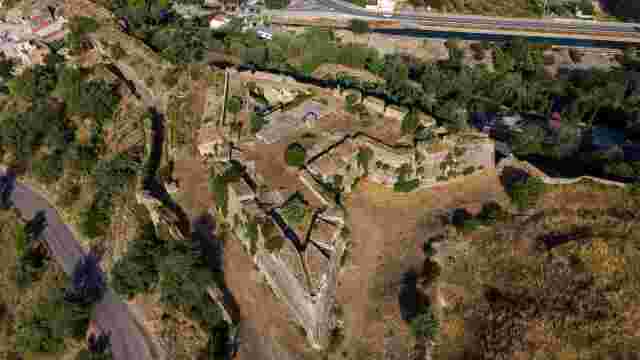
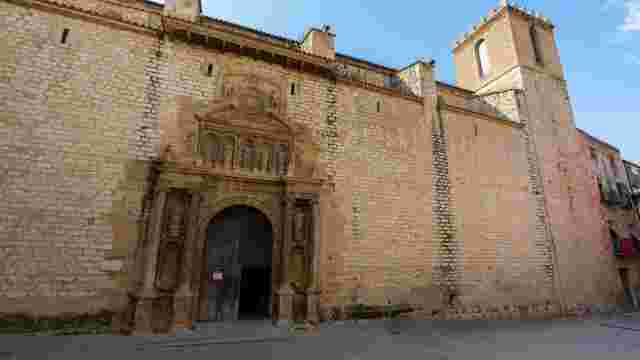
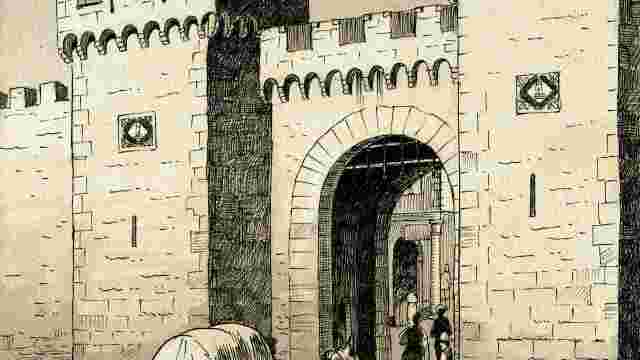
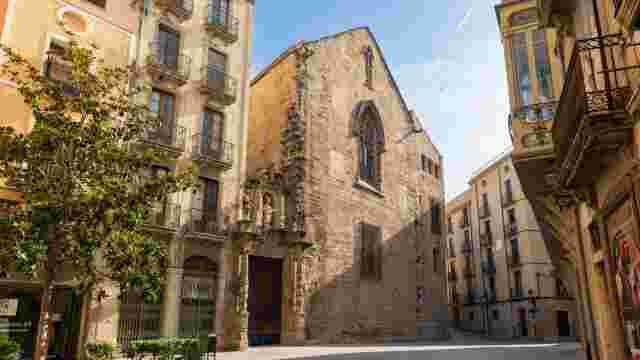
The earliest known historical reference to the House of Sant Jordi dates from 1347. According to this document, the institution had been founded by the Bishop of Tortosa beside the Vimpesol Gate. The building consisted of a large hall running from north to south, with a timber roof supported by diaphragm arches, two of which have survived.
Because of its location in the Jewish Quarter, scholars in the early 20th century mistakenly identified the building as a former synagogue. However, it never served this function.
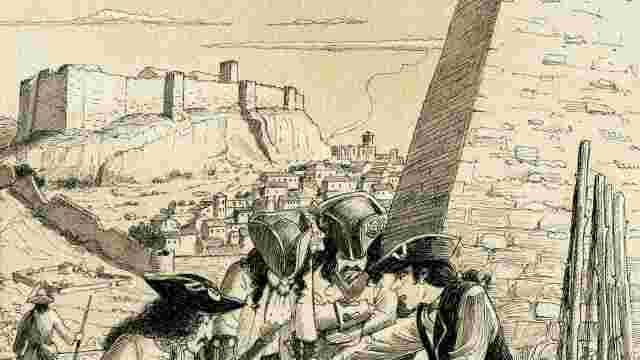
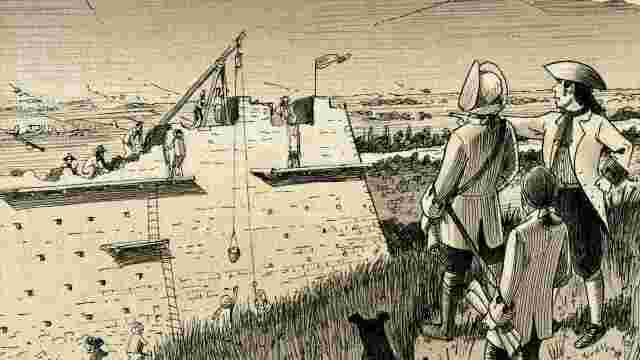
Throughout its history, the House of Sant Jordi was used for various purposes. During the 1390s, while the northern section of the city walls was under construction, the municipal council rented the building to store construction materials.
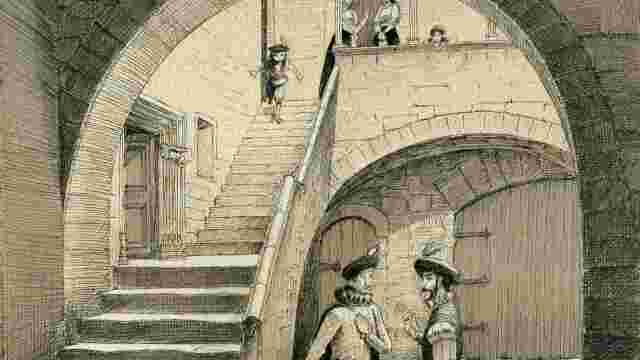
In the late 15th century, the city granted the property to the nuns of the Hospitaller convent of La Ràpita, when the religious community moved to Tortosa from its original location in the Alfacs area.
One of the building's most significant roles came during the Catalan Civil War (1462–1472). Following the destruction of the Hospital of Santa Creu, the House of Sant Jordi became the only functioning healthcare institution in Tortosa. This was despite the fact that the municipal authorities considered Vimpesol an "unsuitable place for the poor of Jesus Christ".
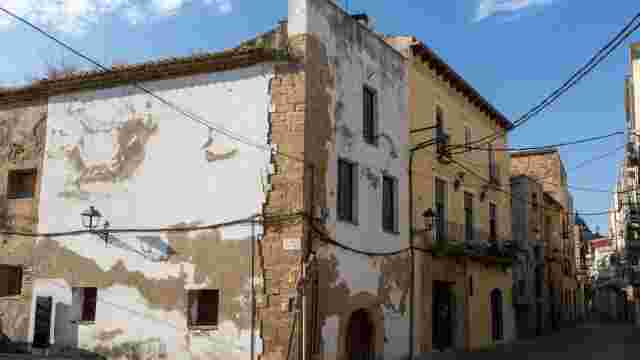
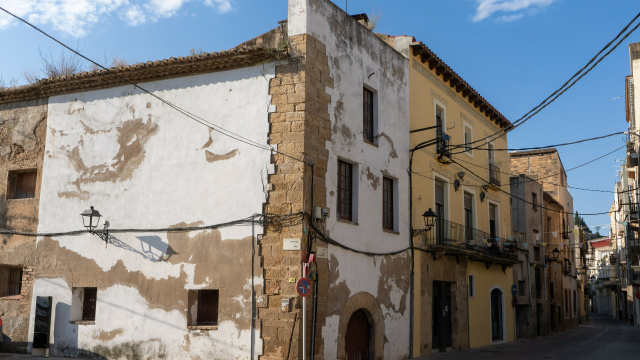
In the 18th century, its location beside the city walls made it an ideal site for cavalry barracks. Finally, during the second half of the 19th century, the property passed into private ownership, and the large building was divided into several separate properties.