BALNEARI D’EN PORCAR AND THE JARDINS DEL PRÍNCEP
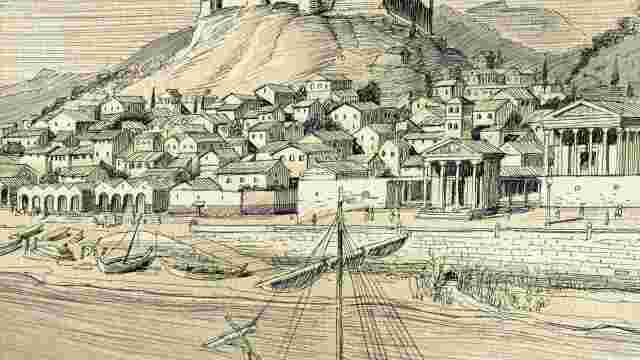
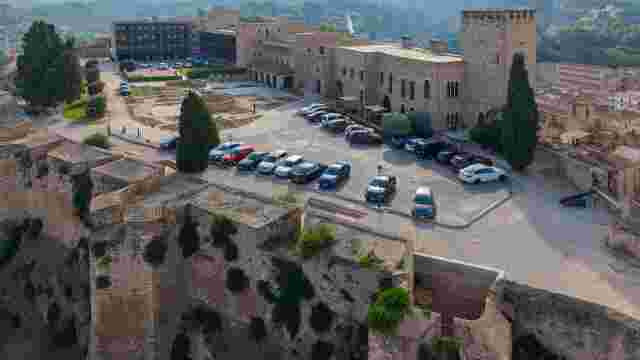
The origins of the Balneari d’en Porcar date back to an estate owned by Jaume Tió i Vidal in the Remolins district, at the foot of the walls of La Suda Castle. The property contained a well operated by a waterwheel of Arab design. Although the water was unsuitable for domestic consumption or irrigation, it was believed to have soothing properties.
This led Jaume Tió to open an initial bathhouse on Carrer de la Figuereta, known as the Banys de Tió, which was intended exclusively for hygiene.
The establishment’s popularity encouraged his grandson, Manuel Porcar i Tió, to develop the baths commercially. Supported by chemical analyses and medical certificates, he undertook substantial improvements to the facilities, during which two additional springs were discovered.
The spa became a prestigious complex and an important centre of social life. At its peak, it featured three natural springs, a hotel, chapel, casino, theatre and extensive Romantic-style gardens arranged on terraces.
The best-documented building is the theatre, an architecturally distinguished structure that anticipated certain features of Catalan Modernisme. For many years, it was the heart of the spa’s social activities, until it was destroyed by fire in 1923.
In 1957, the Salesian Sisters of Saint John Bosco acquired the property and adapted the buildings for use as a novitiate and coeducational school, which operated until 1969. The following year, the buildings and grounds became municipal property.
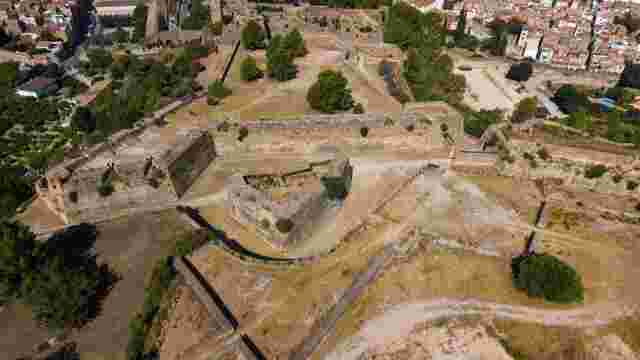
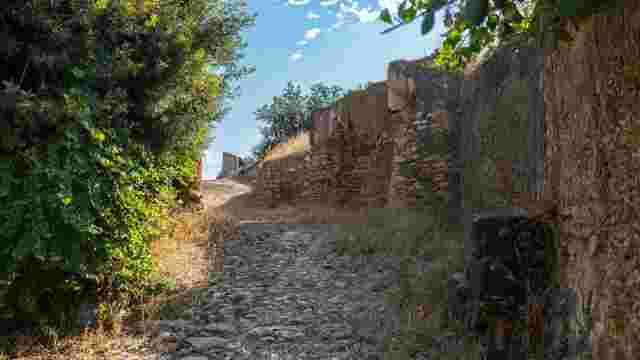
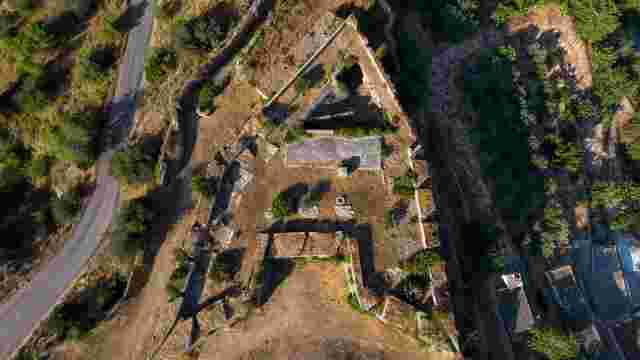
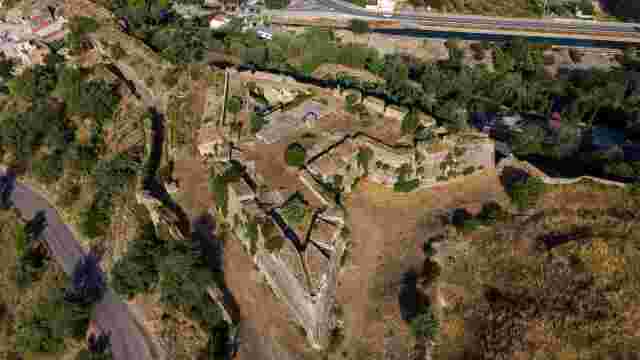
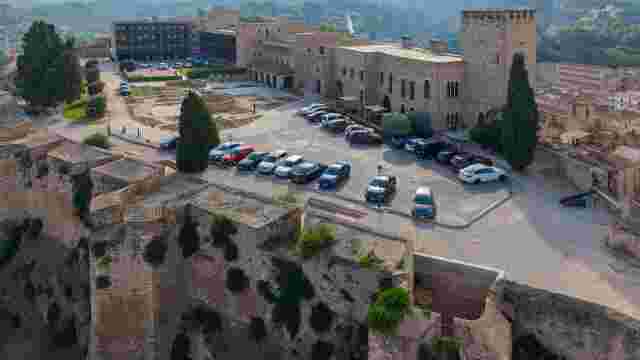
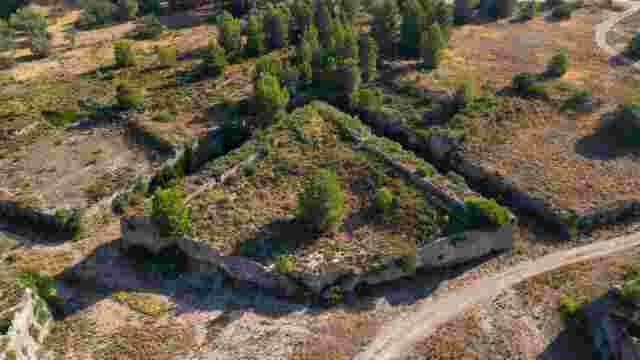
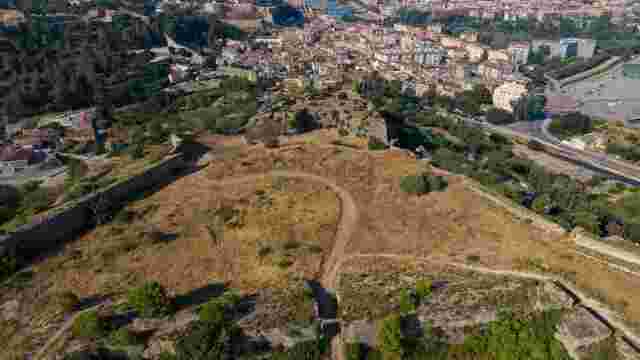
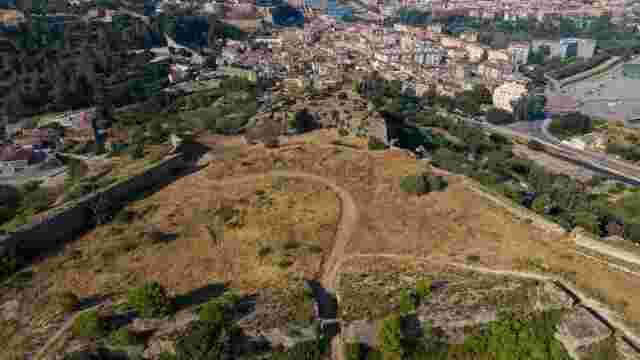
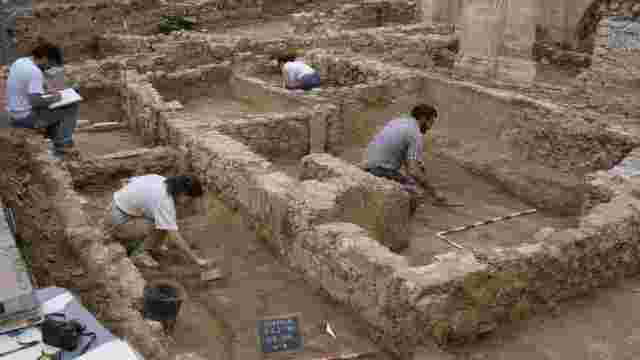
The former spa extended from the Remolins esplanade to Saint John’s Advanced Fortifications and the medieval wall enclosing the grounds to the north-east. Today, only a few remains of the original buildings survive.
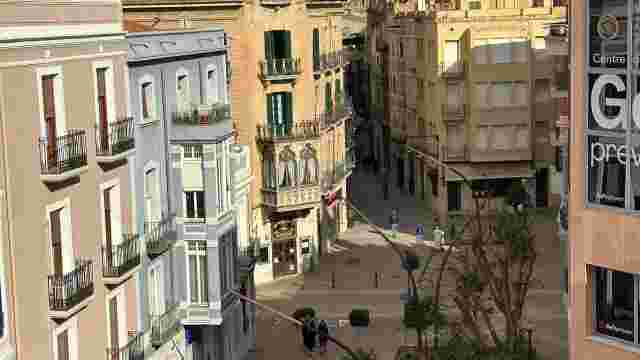
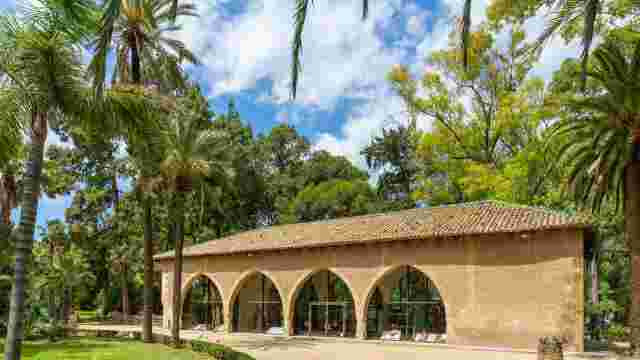
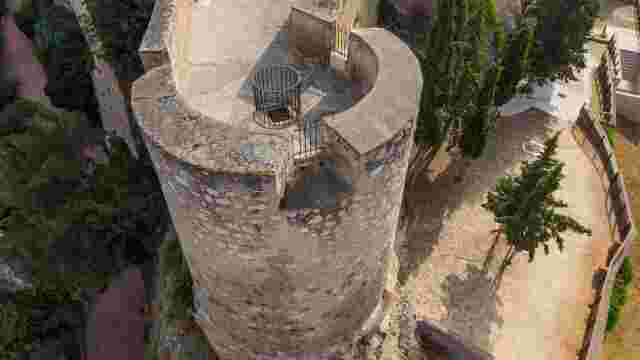
In the lower part of the estate, accessible from Carrer del Cavaller de Gràcia, a neo-Gothic arcade belonging to a former pavilion can still be seen. Other surviving features include part of a building with a sundial on its main façade and an adjoining tower rising above the rooftops of the neighbouring medieval Jewish quarter.
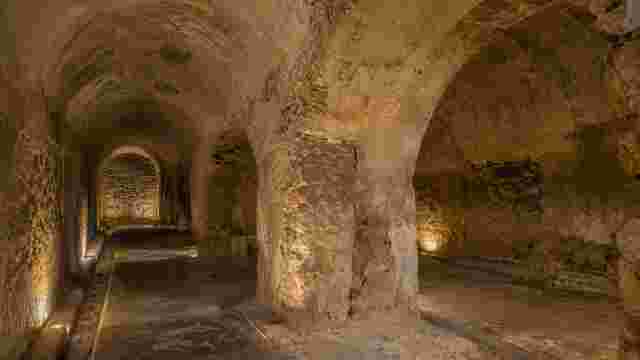
In the upper gardens, several elements of the former spa remain: a stone bench with Romantic-style decoration set against an embankment, a plant-covered pergola lining the path from Carrer de la Figuereta, and the underground Esperança Spring, which can be visited.
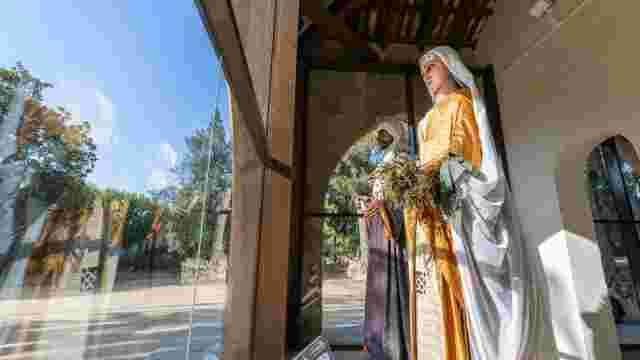
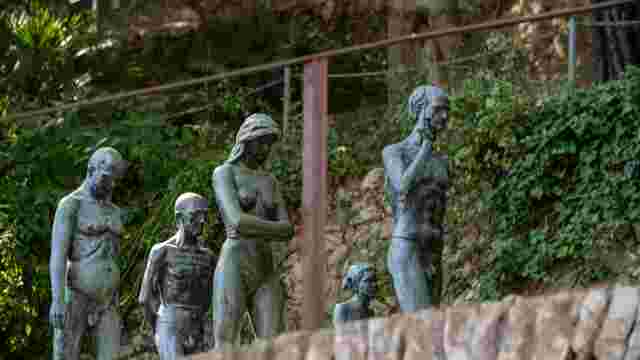
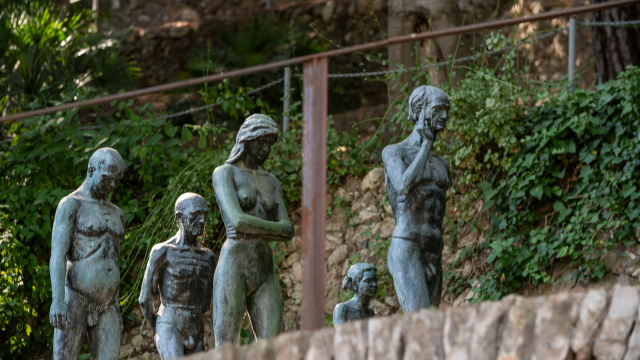
In 1991, this elevated area was transformed into the Jardins del Príncep, an open-air sculpture park featuring works by the artist Santiago de Santiago (Navaescurial, 1925 – Madrid, 2023).
The collection comprises 23 thematic sculptural groups, predominantly made of bronze, with life-size figures in an academic artistic style.
The gardens also contain a diverse botanical collection featuring plant species from around the world. These share the space with the architectural remains and sculptures, creating a distinctive heritage site in Tortosa.