THE IBERIANS AND THE ROMANS
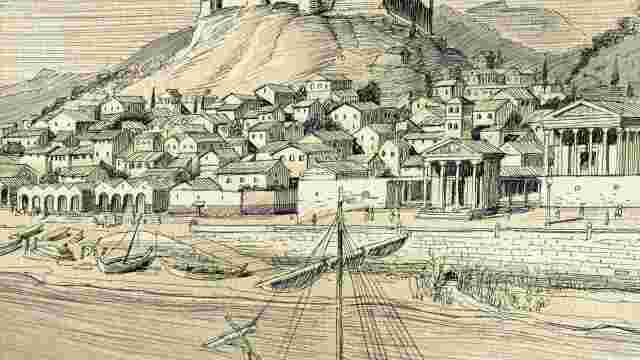
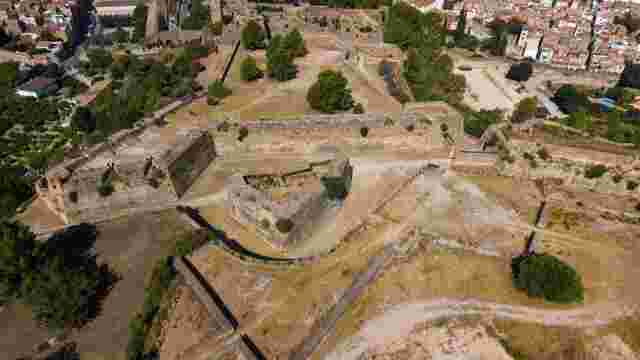
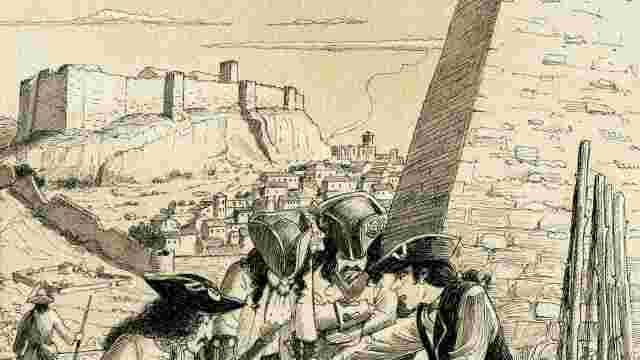
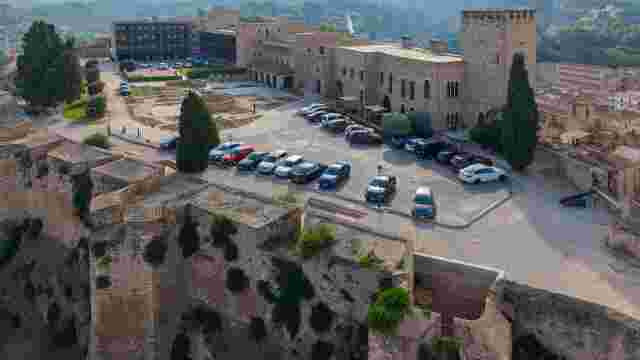
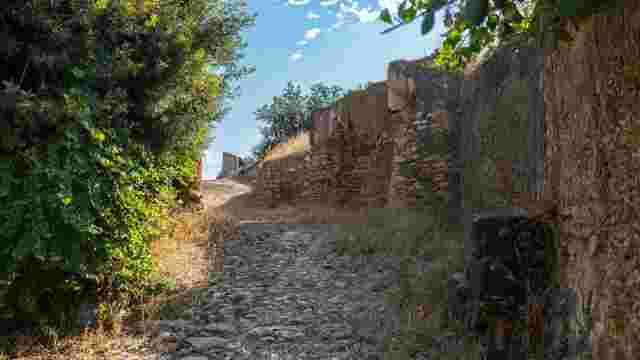
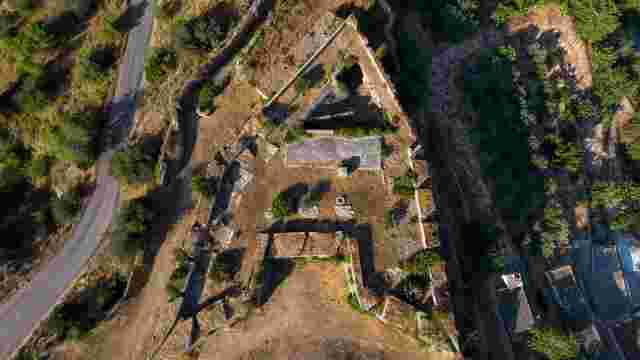
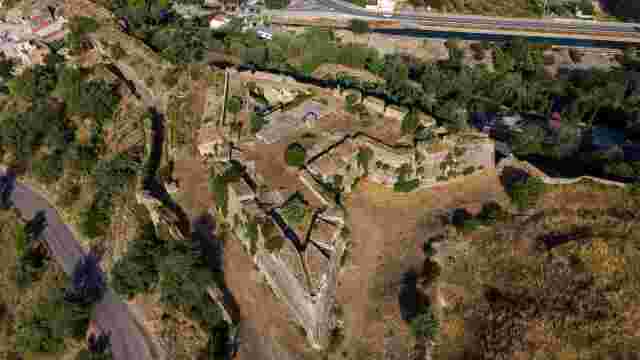
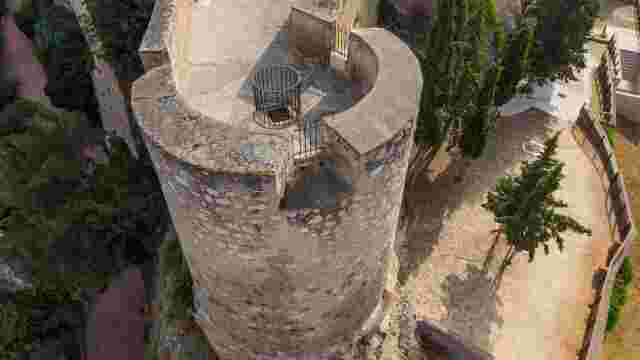
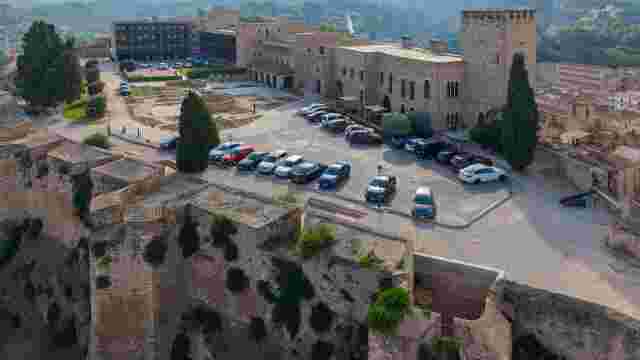
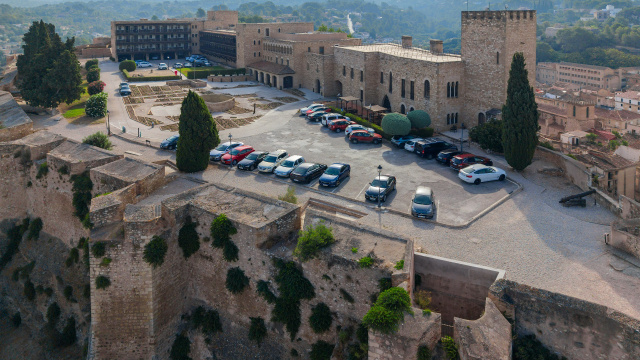
According to the Roman historian Livy, Hibera was the wealthiest indigenous city in the area surrounding the mouth of the River Ebro. The Iberian settlement has traditionally been located on La Suda hill. Although archaeological remains from this period are scarce, excavations have confirmed that the hill was inhabited and surrounded by defensive walls.
From the 2nd century BCE onwards, the urban settlement became the centre of a civitas, an administrative community encompassing a large territory whose exact boundaries remain uncertain. This region, known as Ilercavonia, is believed to have included parts of the present-day Catalan counties along the Ebro and the northern area of today's province of Castellón.
Hibera retained its status as a peregrine city, meaning a non-Roman community, until the second half of the 1st century BCE. This status made integration into Roman trading networks more difficult and subjected its inhabitants to heavy taxation and the obligation to provide auxiliary troops whenever Roman governors required them.
During the civil wars that marked the final years of the Roman Republic, the Ilercavones supported Julius Caesar at the Battle of Ilerda, present-day Lleida. Their assistance is believed to have been rewarded by granting Hibera the status of a municipality under Roman law, a change that facilitated its integration into the Roman political and administrative system.