HALF-BASTION
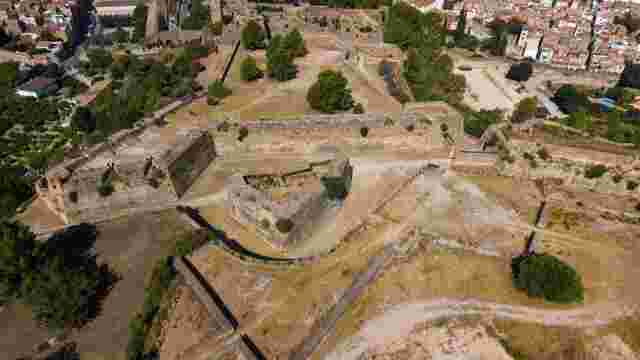
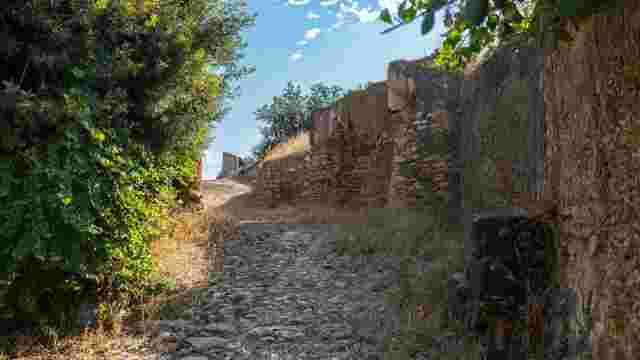
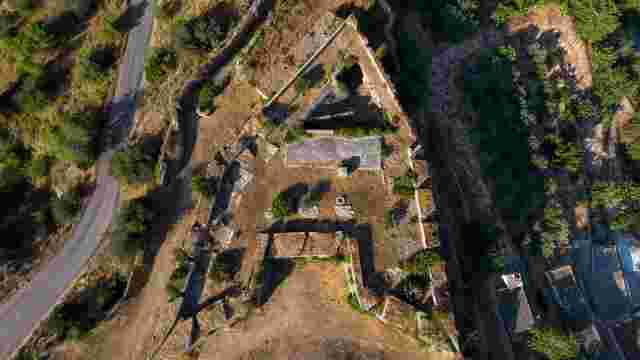
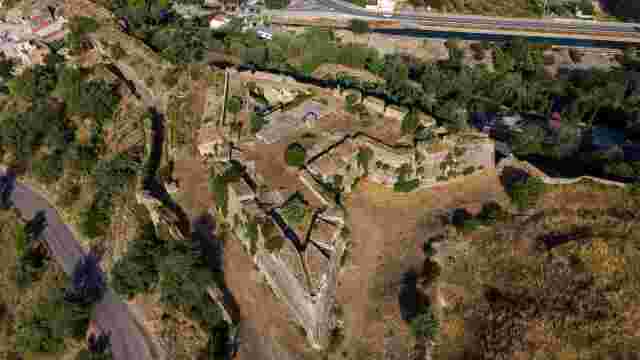
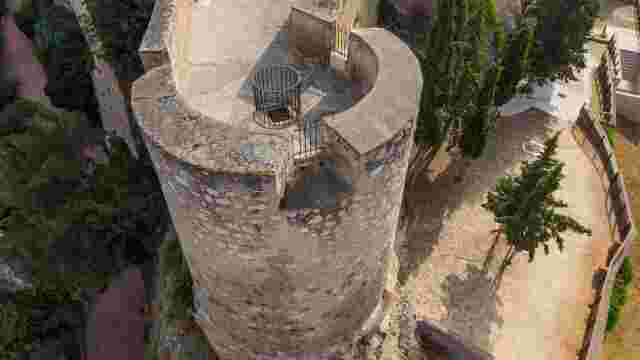
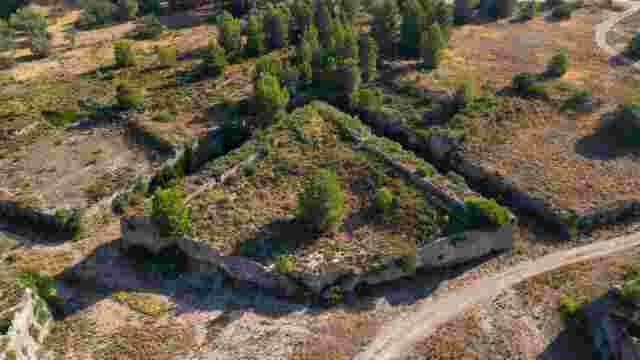
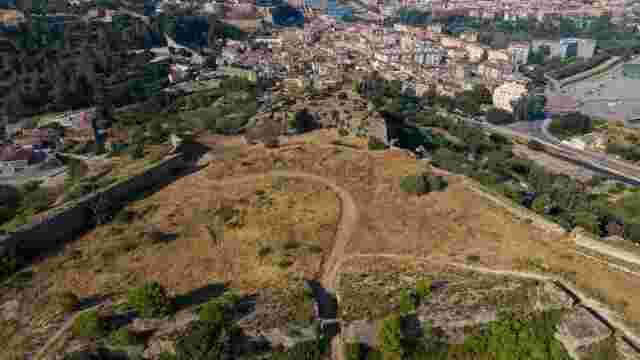
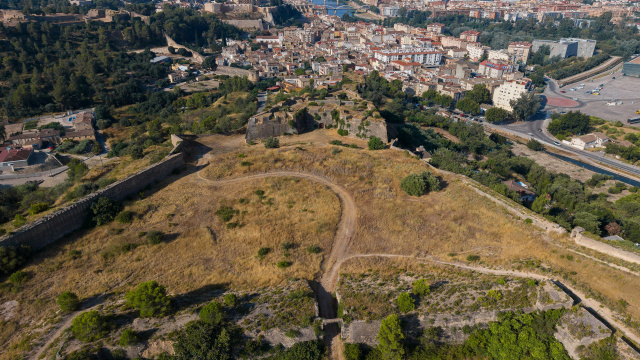
Near the far end of the Tenasses fortress stand two large half-bastions connected by a curtain wall, a section of fortification linking the two walls that enclose and protect the sides of the defensive complex.
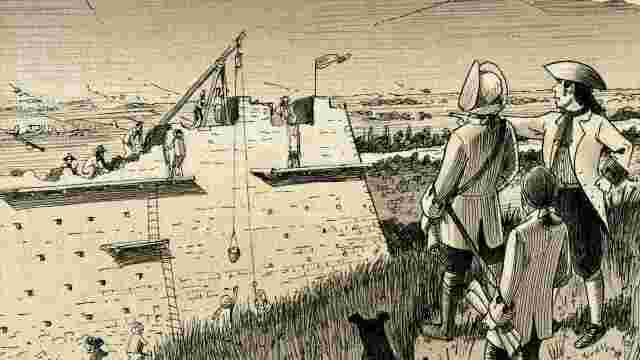
Half-bastions are characteristic elements of early modern military fortifications. This type of defensive architecture began to develop in Italy during the 16th century and spread throughout Europe in the 17th century.
These structures formed one of the first obstacles encountered by attacking forces. Viewed from the front, they created an impression of greater depth, making the fortress appear particularly difficult to assault. At the same time, their layout provided excellent visibility of the surrounding terrain, helping the defenders protect the city.
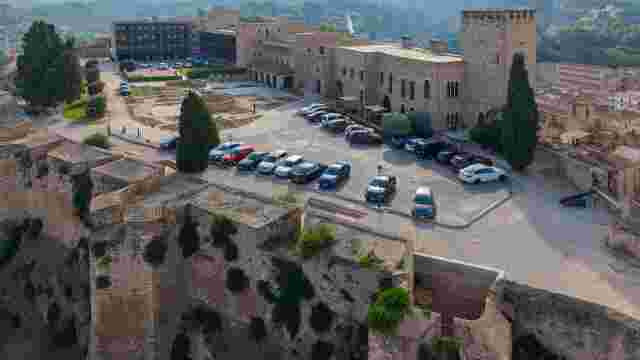
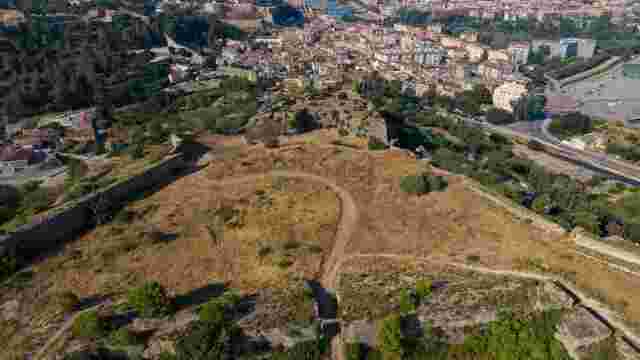
The two half-bastions cover the entire surface of Tenasses hill. Bastions usually have a pentagonal layout, but here the fortification consists of two horn-shaped half-bastions connected to the tenaille of the first Tenasses defences.
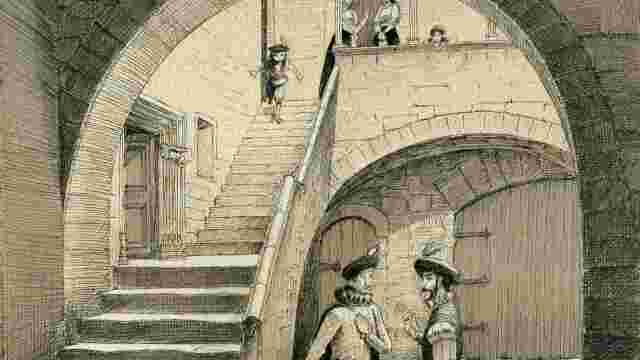
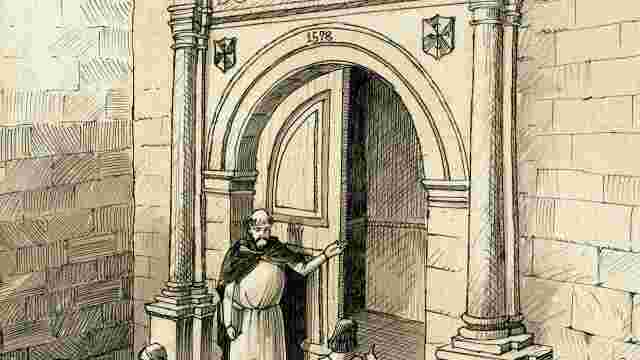
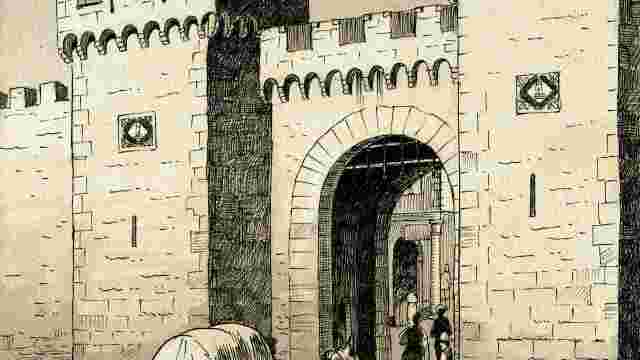
In the centre of the tenaille stands the gateway leading to the parade ground. Built from dressed stone blocks, the gateway does not appear to belong to the original construction.
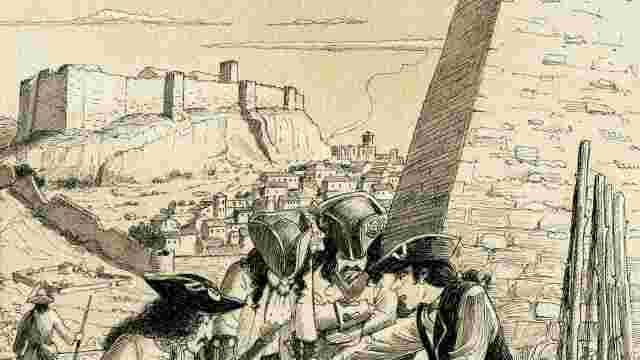
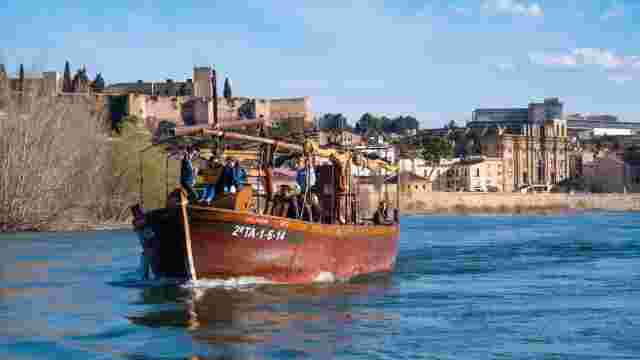
From the end overlooking the river, visitors can enjoy panoramic views of Tortosa and the Ebro Valley. This viewpoint also offers an overall perspective of the Tenasses fortifications, making it easier to understand how their different defensive elements were arranged.