PLAÇA DE MOSSÈN SOL
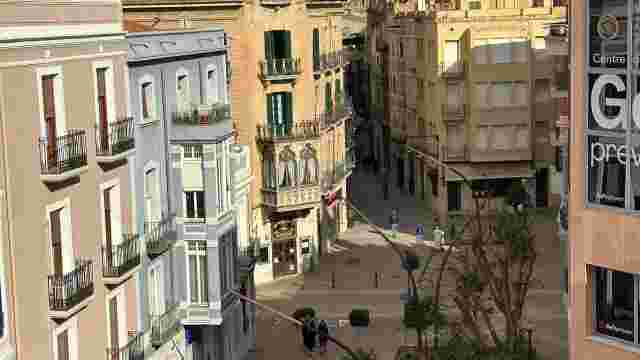
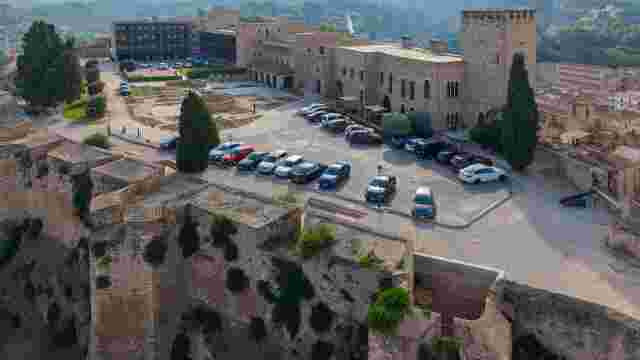
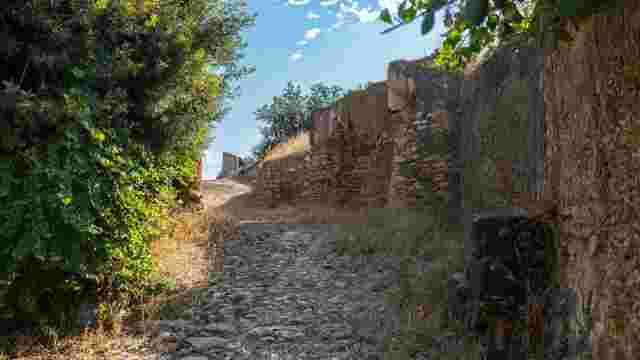
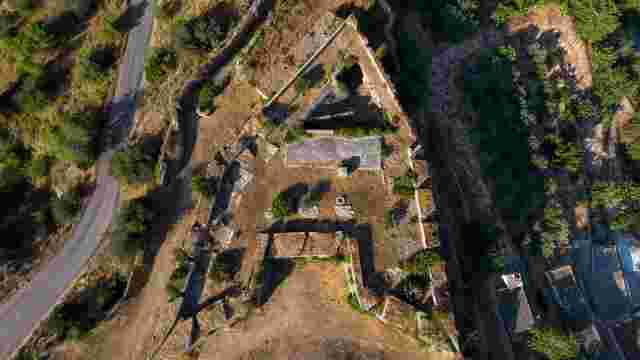
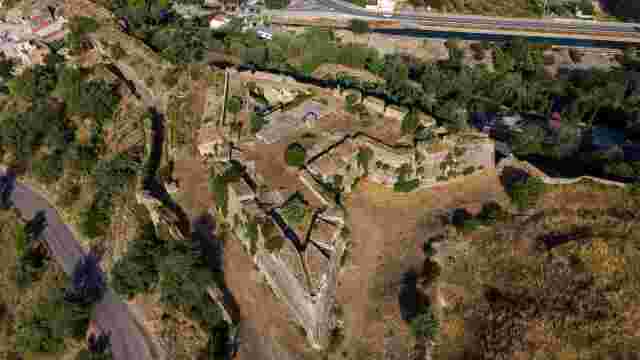
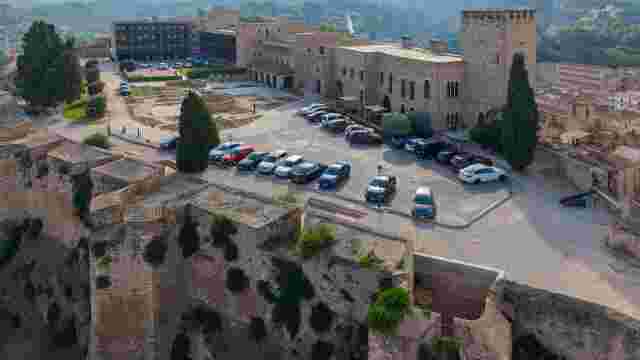
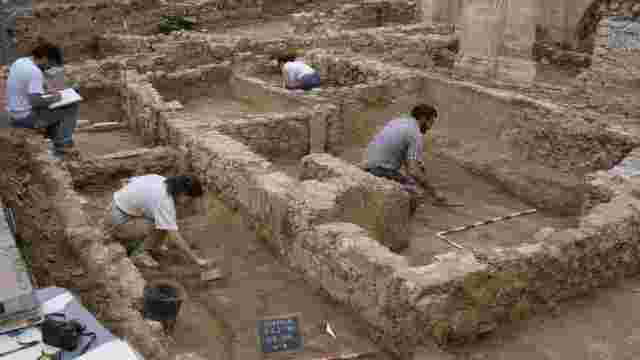
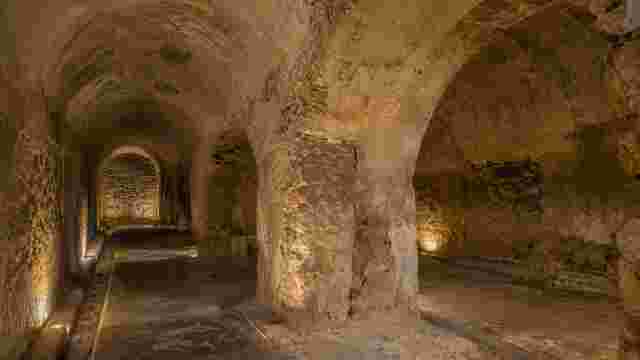
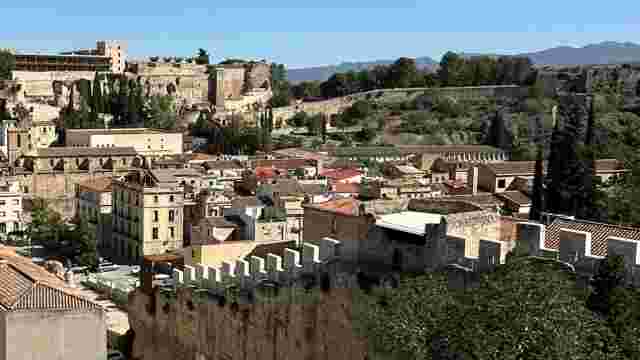
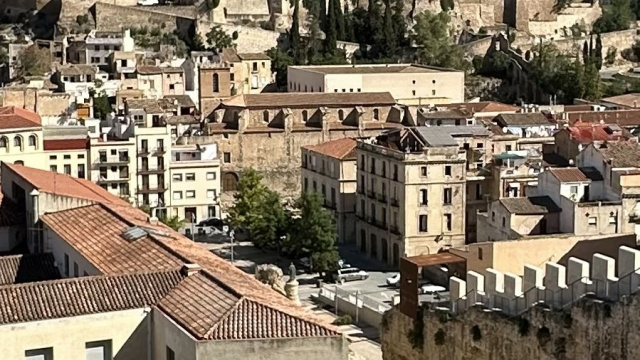
In 2008, the first archaeological investigation took place at Plaça de Mossèn Sol, involving the excavation of several trial trenches. The work revealed the foundations of a section of Tortosa's medieval city walls extending across the entire area of the present-day square.
Later, in 2015, the complete redevelopment of the square provided an opportunity for a larger archaeological excavation, which exposed the full length of the surviving wall in this part of the city.
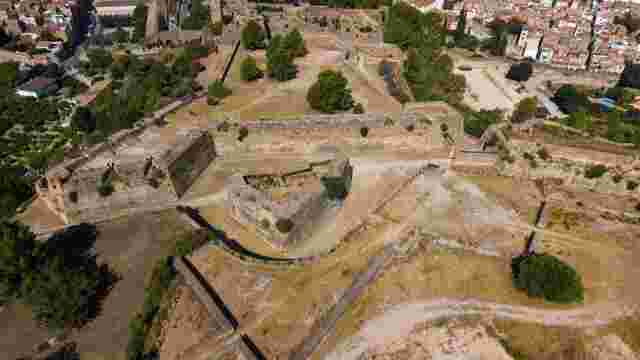
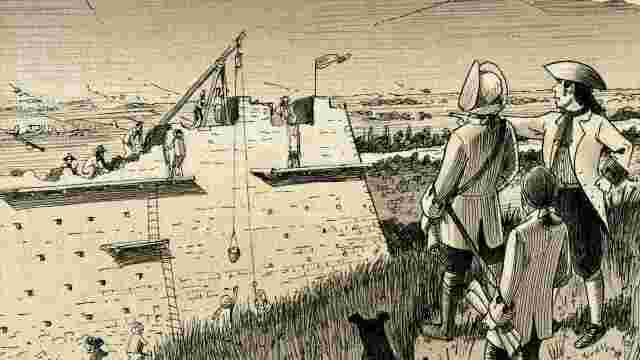
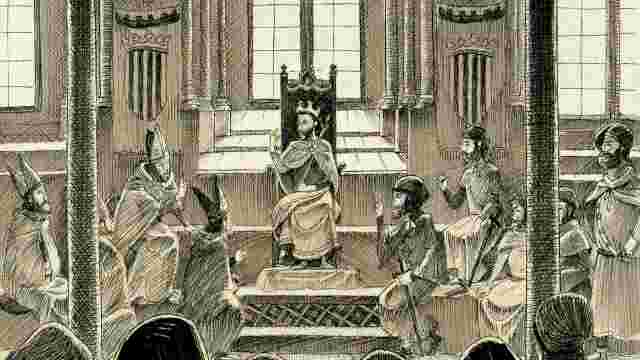
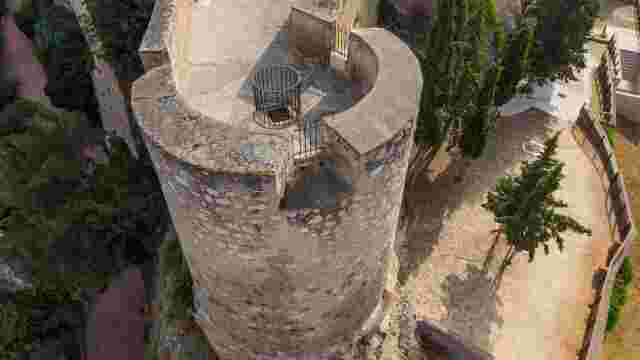
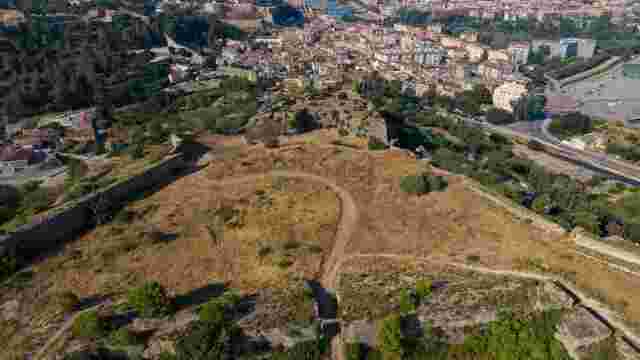
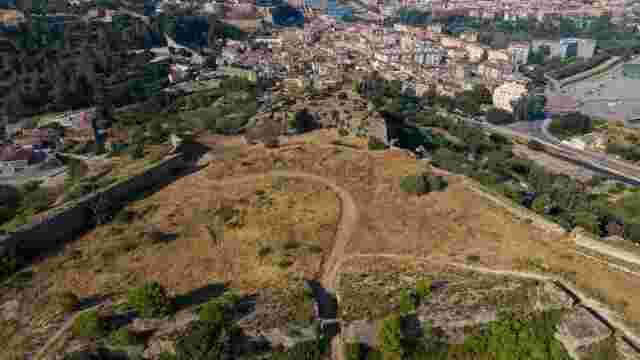
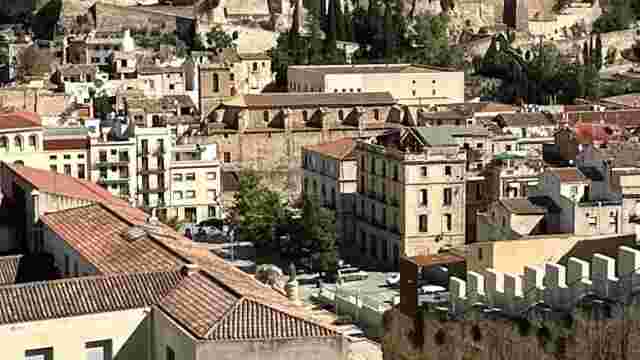
This defensive structure dates from between 1360 and 1370, during the reign of Peter IV of Aragon, known as Peter the Ceremonious. It formed part of the major fortification works undertaken in Tortosa during the war between the crowns of Aragon and Castile.
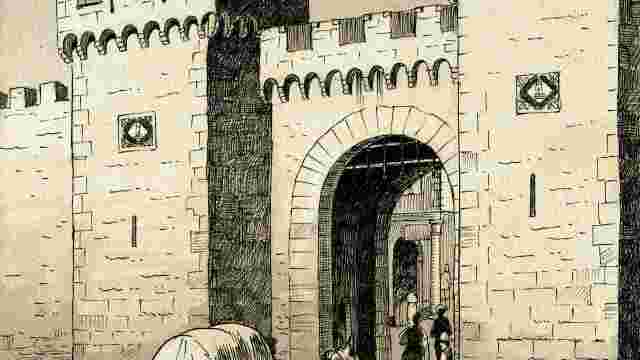
The wall descended in a straight line from Sitjar hill before turning at a 90-degree angle at the southern corner of the present-day square. This was the location of the former Portal del Rastre, one of the gateways into the walled city, although no archaeological remains of the gateway have been identified.
The excavations also uncovered three internal buttresses built during the 18th century to provide additional stability to the wall.
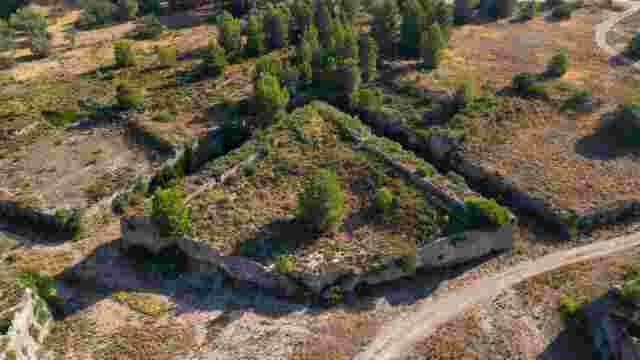
Archaeologists also discovered structures predating the medieval fortifications, most probably belonging to the former Escorxeria, or medieval slaughterhouse. This building was already standing during the 13th century, although its original construction date remains unknown.
The section of the medieval wall crossing Plaça de Mossèn Sol was demolished in 1862.