TIMBER FROM ELS PORTS
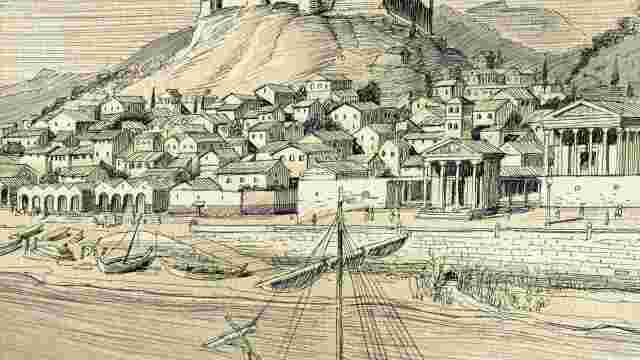
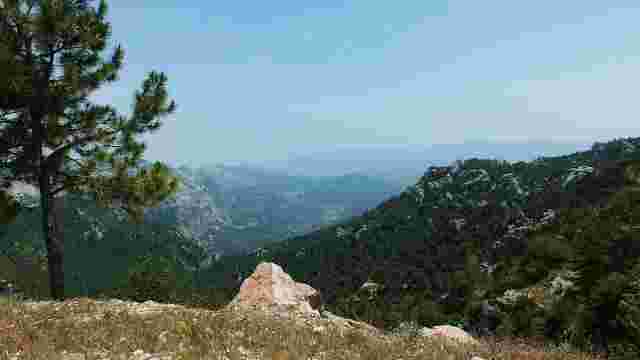
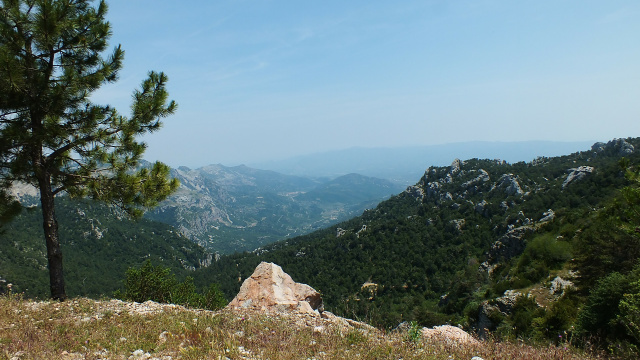
In the 12th century, the Andalusi cartographer al-Idrisi wrote a geographical account entitled Nuzhat al-Mushtak, in which he praised the exceptional quality of the pine trees growing in the mountains around Tortosa. According to his description, the area produced "pine trees of such excellent quality that none can be found elsewhere to match their length, thickness and beauty of grain".
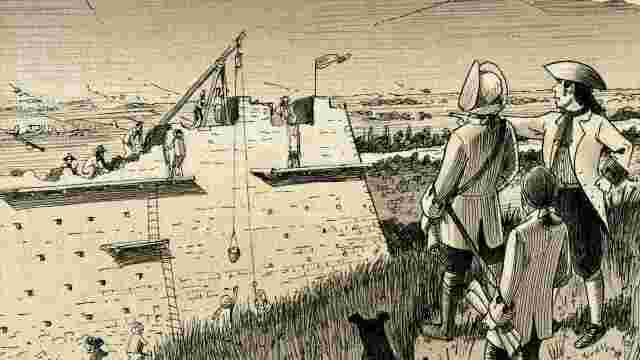
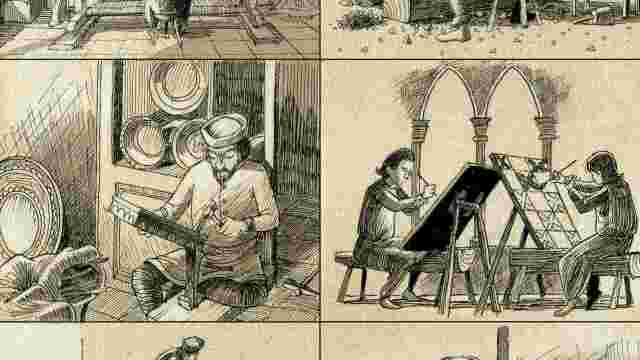
These qualities made timber from Tortosa a highly sought-after product throughout the western Mediterranean. The geographer also stated that Tortosa's logs were "transported throughout the world" and explained that the wood was used to make decorative wooden ceilings for royal buildings, main masts for large ships and military siege engines. He also noted that this timber had been used to construct the wooden roof of the Mosque of Córdoba.
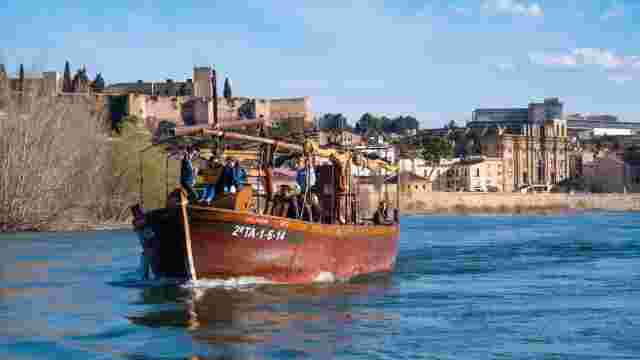
During the Christian medieval and early modern periods, timber production expanded thanks to the logs transported downstream along the River Ebro from the Pyrenees.
Furthermore, the maintenance of the Pont de Barques, a bridge of boats and the only fixed river crossing between the Ebro Delta and Zaragoza, encouraged Tortosa to develop systems for obtaining, storing, processing and distributing large quantities of timber.
The scale of this trade, its geographical reach and the quality of the material left their mark on several Mediterranean languages. In both Mallorca and North Africa, large wooden beams became known as tortosins, reflecting the widespread reputation of Tortosa's timber industry