PLAÇA D’ALFONS XII
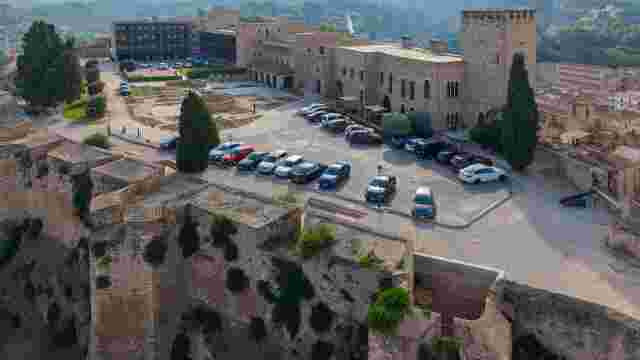
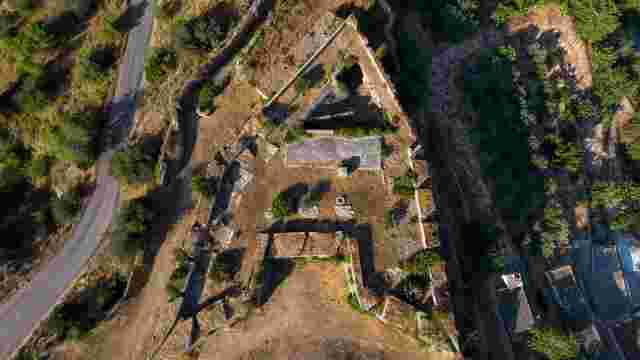
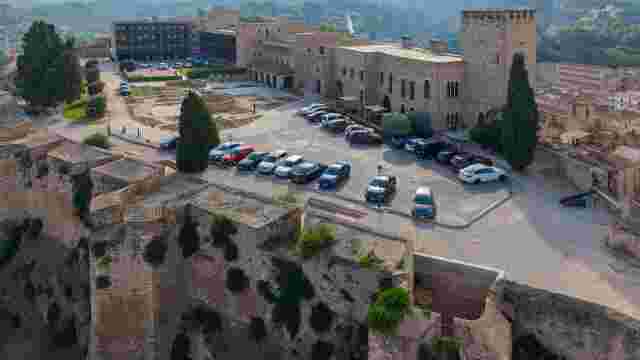
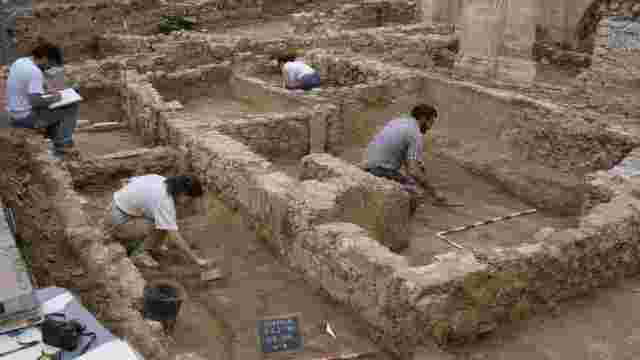
Between 1986 and 1988, archaeological excavations were carried out during the construction of the present-day car park beneath Plaça d'Alfons XII. The investigations revealed an important sequence of historical occupation in this part of Tortosa.
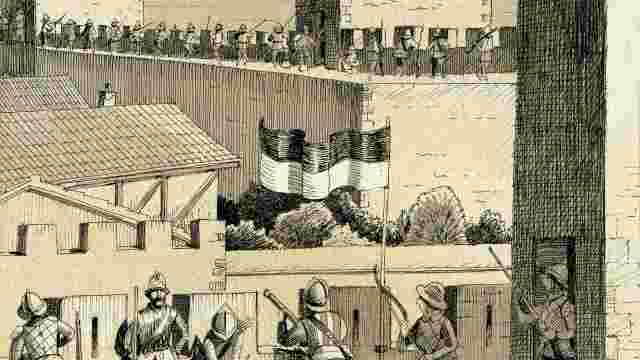
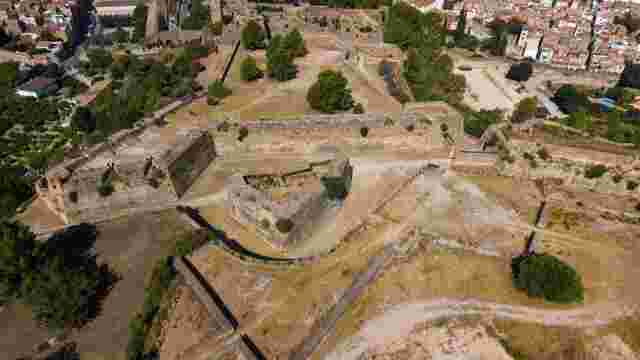
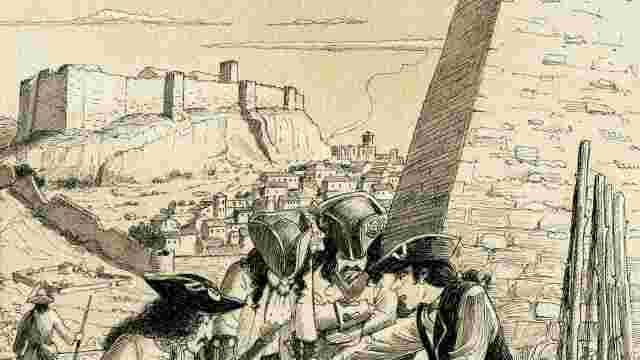
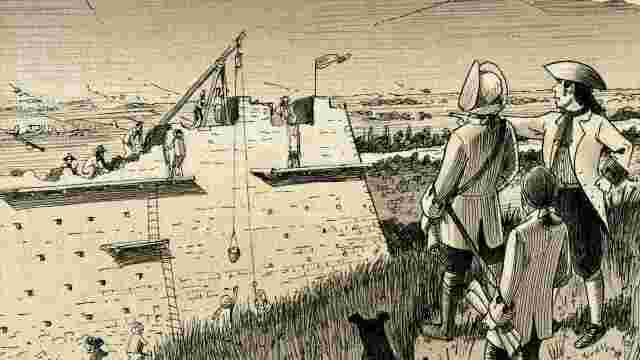
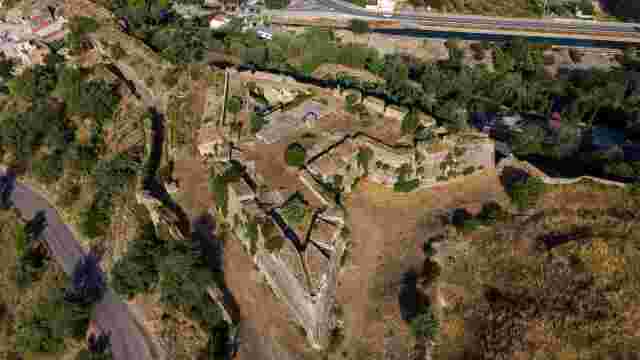
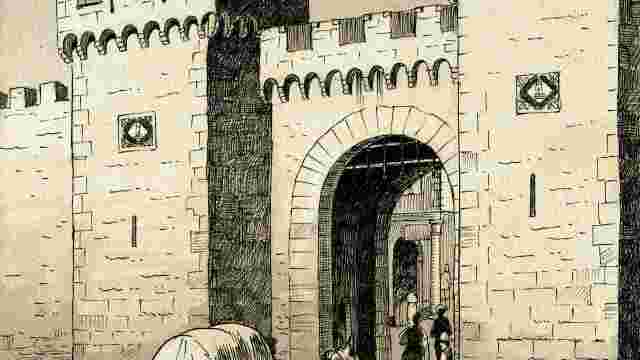
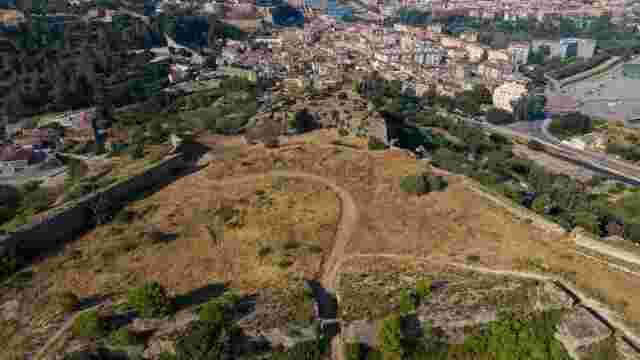
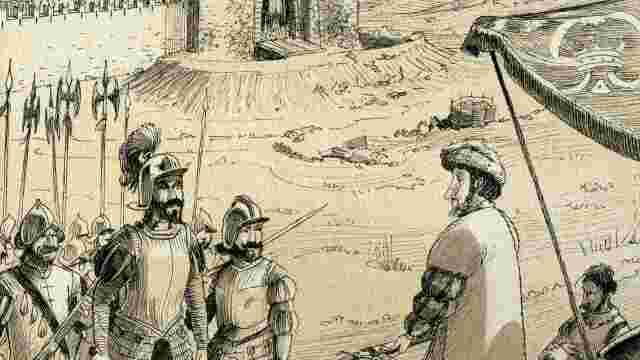
The square occupies the former site of the Half Moon Bastion (Baluard de la Mitja Lluna), an 18th-century fortification that formed part of the city's defensive system and protected its southern sector.
Beneath these early modern structures, archaeologists discovered four burials dating from the Andalusi period, between the 9th and 11th centuries. The deceased had been buried according to Islamic funerary rites.
The excavations also revealed the southern section of the Late Antique cemetery in the Rastre ravine, with several burials dating from the 4th and 5th centuries.
Closely associated with this cemetery were the remains of a building with an apse, interpreted as a possible basilica or funerary church. This structure may have served as a place of worship connected with the Late Antique burials.
A tile kiln was also excavated in the same area. It is thought to have supplied the ceramic tiles used to construct the roof of the religious building.
Finally, the investigations uncovered a paved surface made of lime mortar and pebbles, dating from before the Late Antique burials. This discovery indicates that the site had been occupied during an even earlier period.