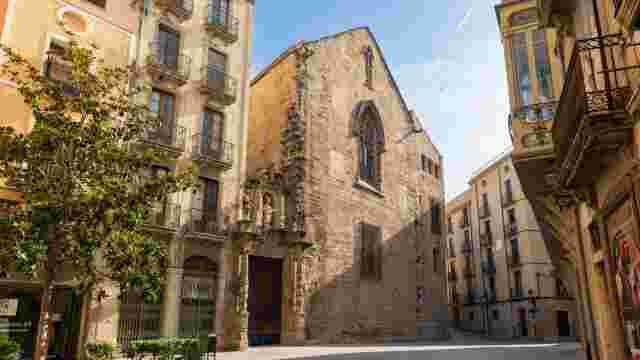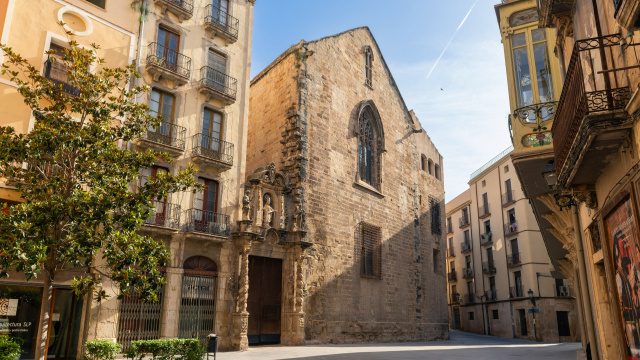
PLAÇA DE NOSTRA SENYORA DE LA CINTA
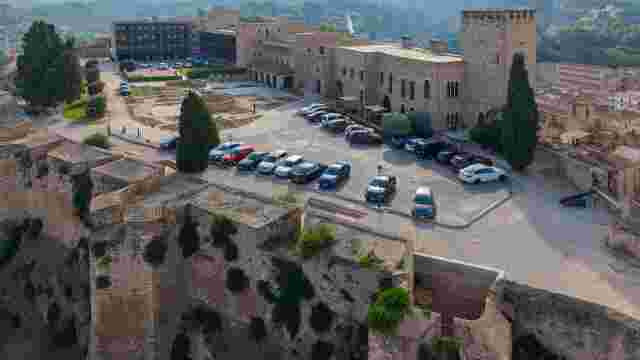
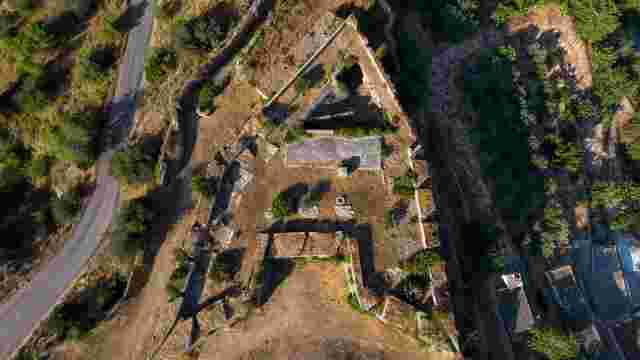
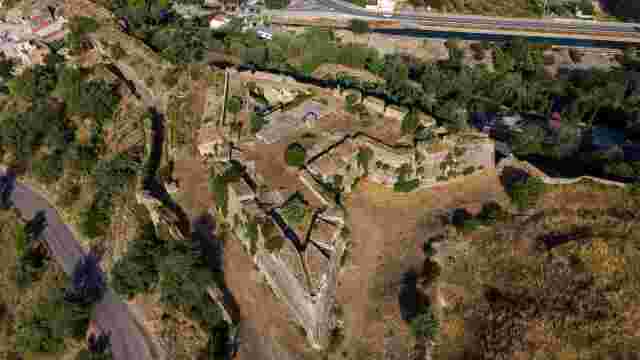
Archaeological excavations took place between 1982 and 1984, following renovation work at Plaça de Nostra Senyora de la Cinta. During the investigations, archaeologists uncovered remains of buildings from several historical periods, although their original functions remain difficult to identify.
The oldest structure is a wall built using lime mortar formwork, dating from between the 2nd and 6th centuries. Later, between the late 6th and 7th centuries, a new building was constructed, creating several separate interior spaces.
Between the late 7th and early 8th centuries, another building of relatively high architectural quality was erected. During the 8th and 9th centuries, only two new walls were built. These were later incorporated into a rectangular Andalusi building dating from the 10th century, when Tortosa was under Muslim rule.
During the 11th century, this rectangular building underwent several modifications, including the opening of a doorway and the installation of drainage channels. Further alterations were made during the first half of the 12th century, with the subdivision of interior spaces and the construction of new floors.
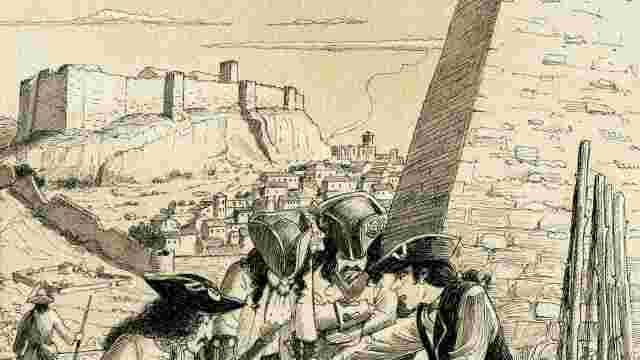
In the mid-12th century, the siege that led to the feudal conquest of Tortosa completely transformed the area. A large burial pit was excavated through the remains of the earlier Andalusi building, containing the bodies of nine individuals, almost certainly soldiers belonging to the forces of Ramon Berenguer IV.
Following the Christian conquest of Tortosa in 1148, the area appears to have become an open space, remaining largely unchanged in this respect until relatively recent times.