THE COVERED WAY
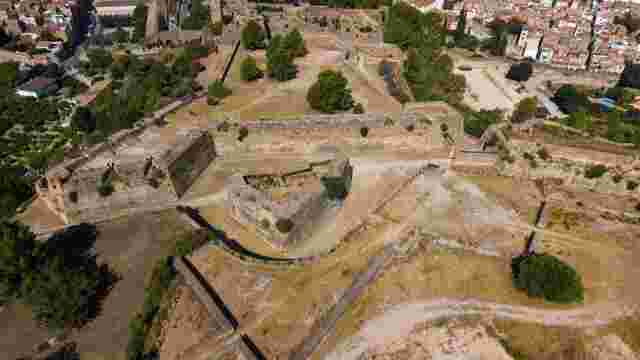
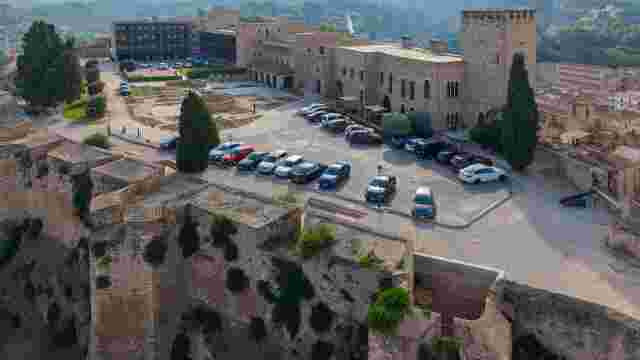
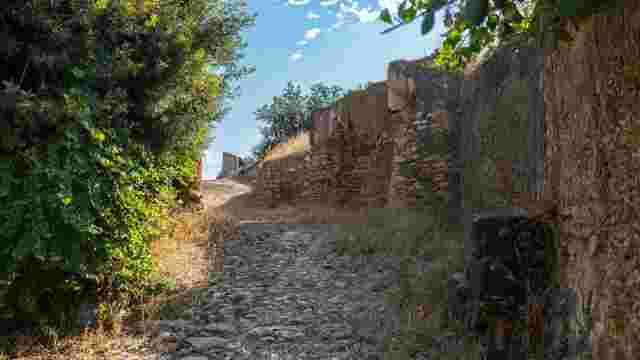
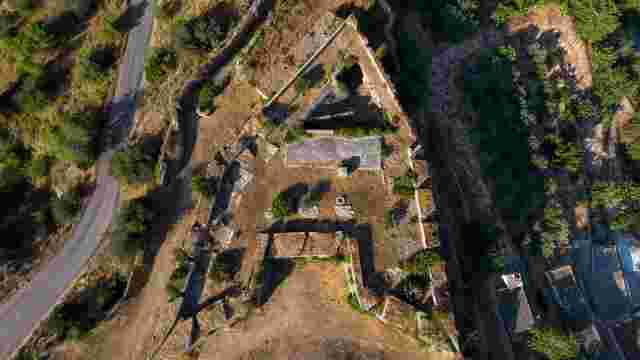
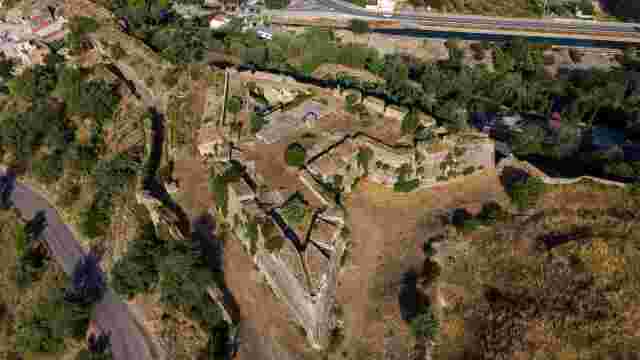
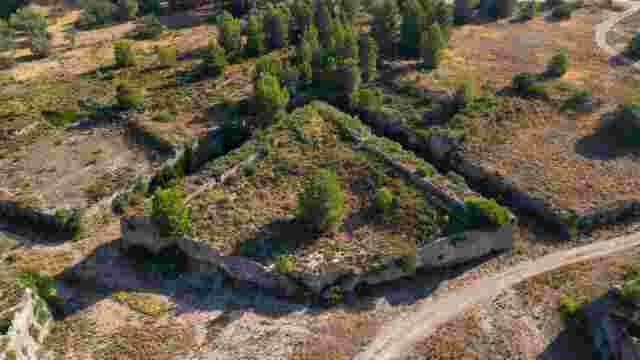
A moat is a ditch or excavation surrounding a fortress to make a siege more difficult. At the second Tenasses fortifications, the moat is bordered by a covered way, a defensive passage located outside the main fortification.
This passage is divided into sections by traverses and lies at a lower level than the ravelin. This arrangement allowed the defending garrison to move more easily and under greater protection in the event of an enemy attack. At its outer edge, remains of the firing step and the boundary of the glacis can still be seen.
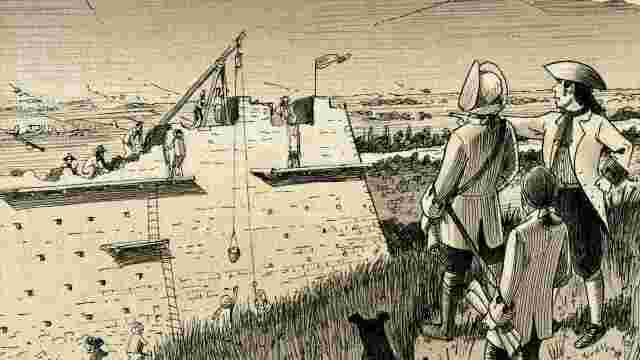
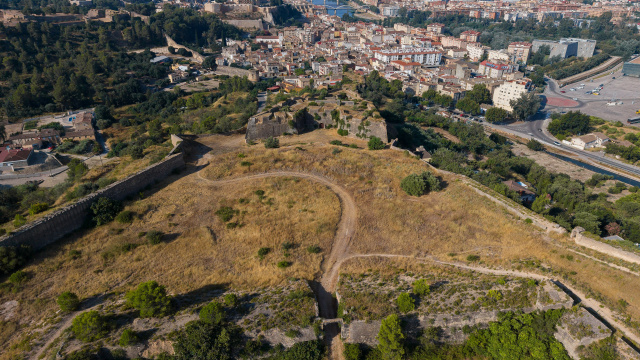
To understand the purpose of the covered way, it is important to consider that early modern fortifications, such as Tenasses, built during the 17th and 18th centuries, relied on a carefully planned combination of heights, levels and defensive structures.
The moat made it possible to position part of the fortification below the natural ground level. This arrangement made it harder for enemy artillery to hit its targets, as the relative heights of the defensive structures reduced their exposure to direct fire.
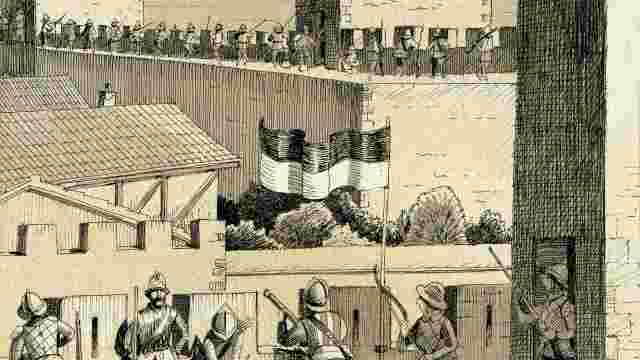
The covered way was occupied by musketeers, who formed one of the first lines of defence. From this position, they could fire at approaching attackers without obstructing the artillery operating from the main fortress.
The covered way was also designed to hinder enemy sappers, who attempted to dig underground tunnels to place explosives beneath the walls and destroy them.
Beyond the covered way lay the glacis, a sloping stretch of ground descending towards the surrounding countryside. This slope made it harder for attackers to advance uphill while giving the defenders a tactical advantage.