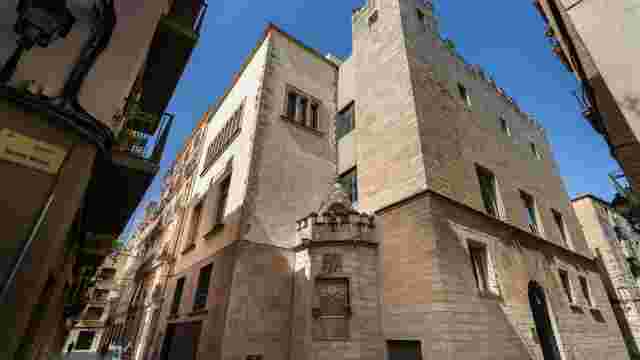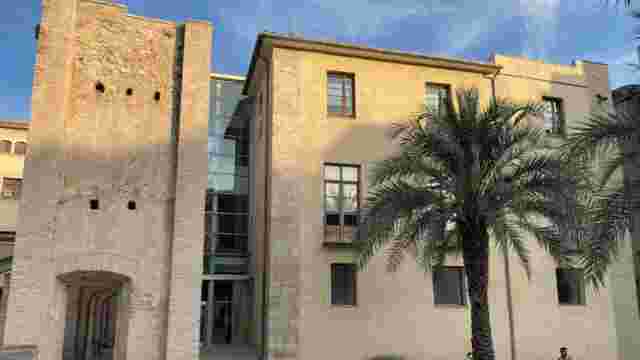
PLAÇA DE L’ABSIS (APSE SQUARE)
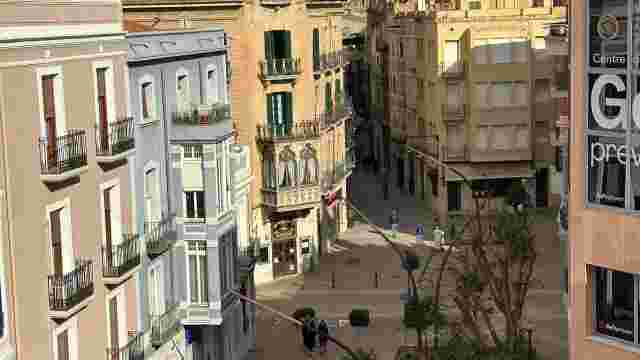
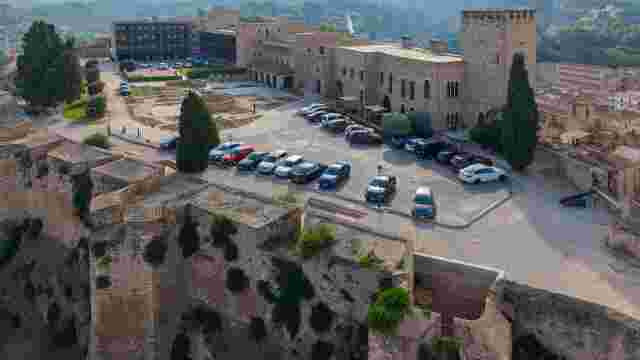
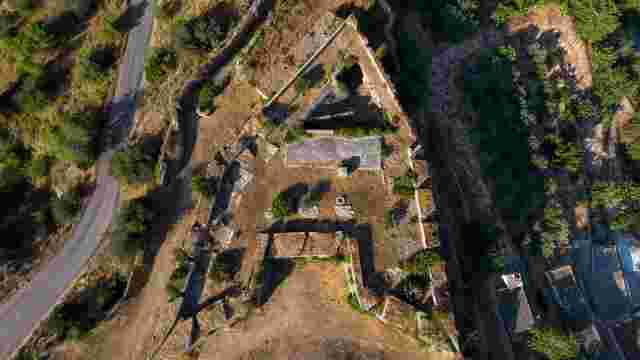
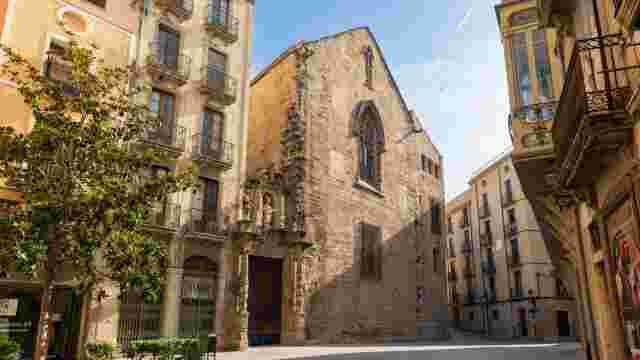
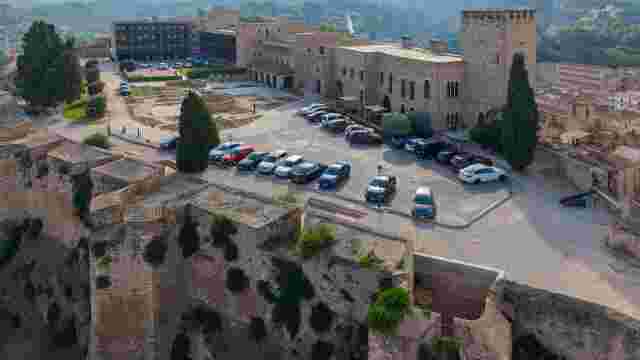
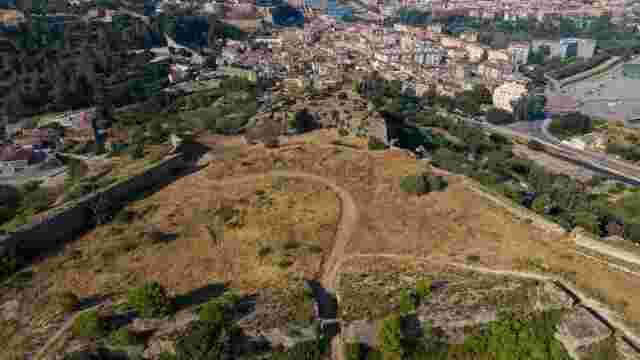
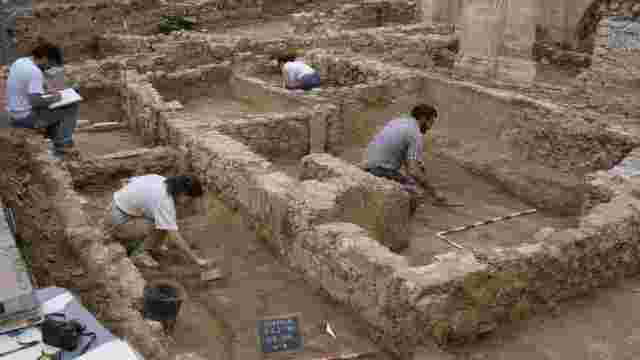
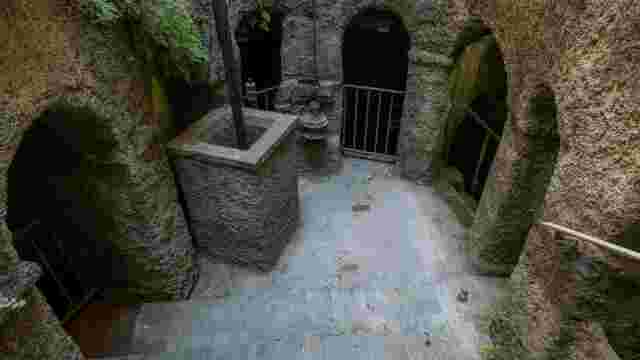
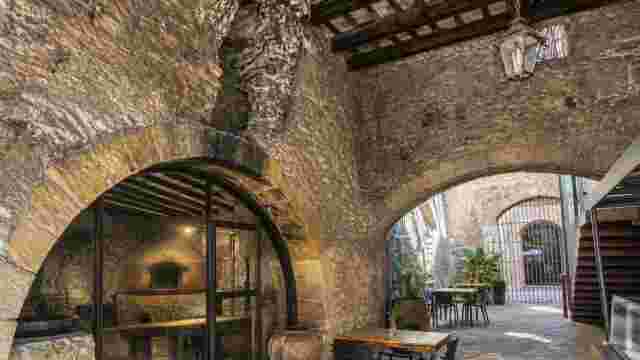
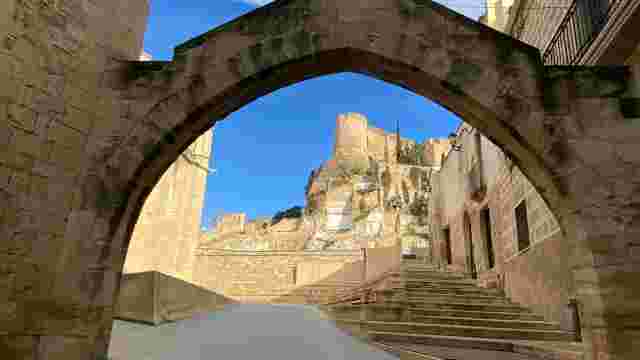
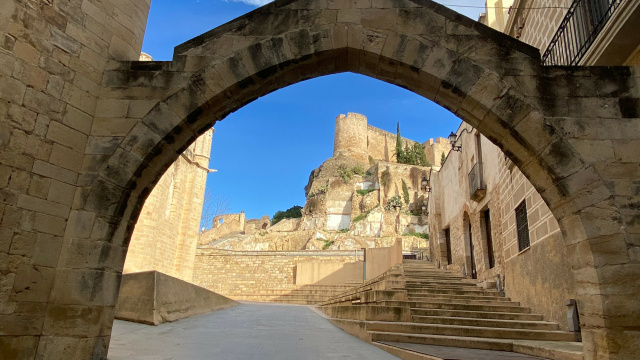
Between 2008 and 2009, urban improvement works in several areas of Tortosa's historic centre, including Plaça de l'Absis, led to an archaeological investigation that uncovered significant remains from the Andalusi and Roman periods.
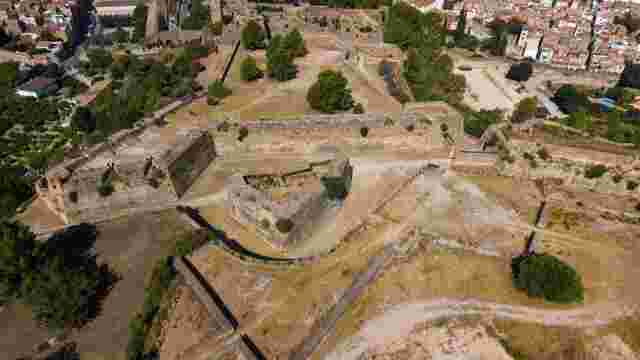
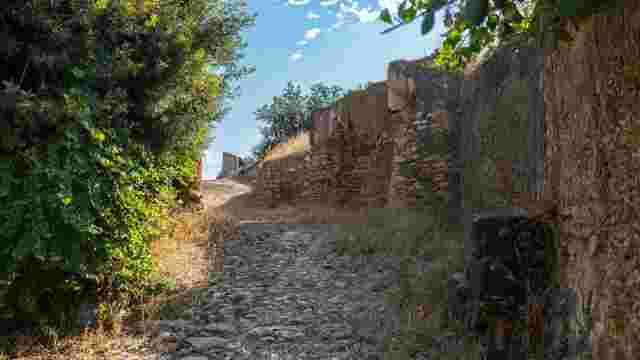
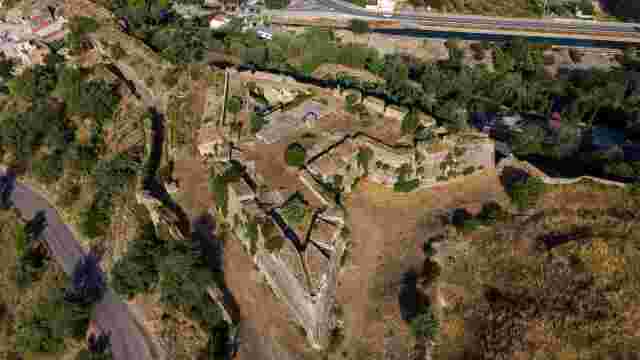
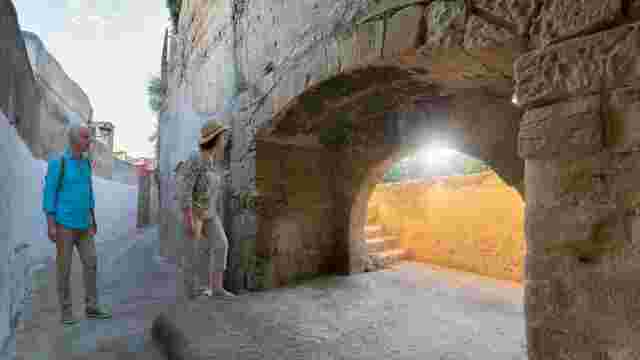
Two sections of a substantial Andalusi wall were discovered in the square itself. These may have formed part of the defensive enclosure surrounding the medieval Islamic city, or medina, of Tortosa.
The best-preserved section measures 13.60 metres in length, 1.70 metres in width and up to 2.50 metres in height. Several smaller walls are attached to its inner face, forming what may have been the foundations of a tower with a quadrangular plan.
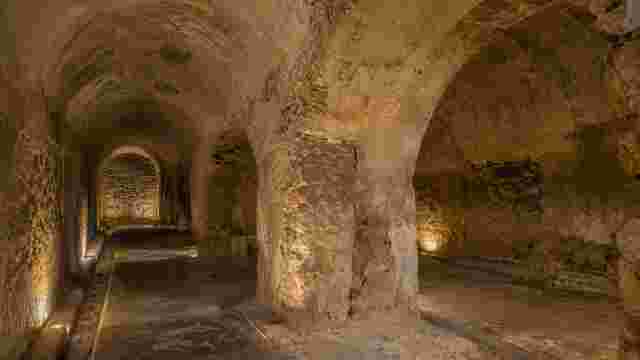
The excavations also revealed other substantial walls that may have belonged to public buildings constructed during the Andalusi period.
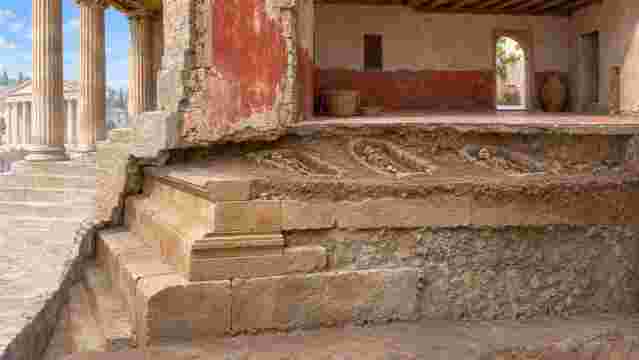
In addition, archaeologists identified earlier structures dating from the Roman period, providing evidence that this part of the city was occupied during different historical periods.
One archaeological hypothesis suggests that the main wall may have formed part of the fortifications enclosing the medina of Tortosa during the Andalusi period.
However, this interpretation remains uncertain, particularly given the proximity of the city's former main mosque. This religious building, which had ten aisles, is believed to have been constructed during the reign of Caliph Abd al-Rahman III in the 10th century and would have stood very close to the present-day Plaça de l'Absis.
These archaeological remains provide valuable evidence of the urban organisation of Andalusi Tortosa and the successive phases of occupation in this area since Roman times.