HOSPITALITAT DE LOURDES
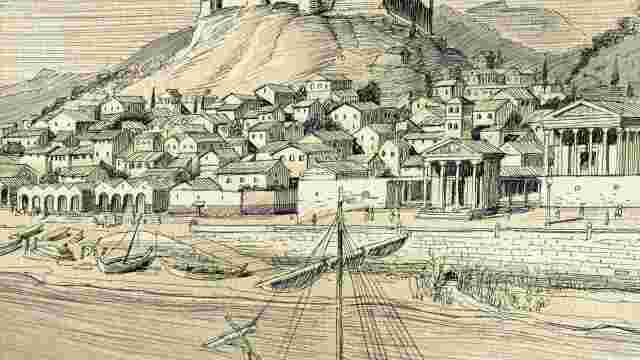
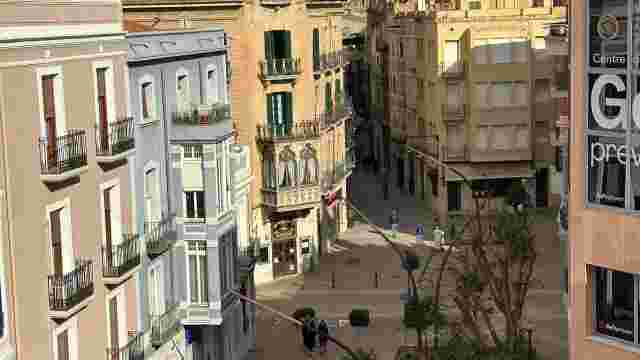
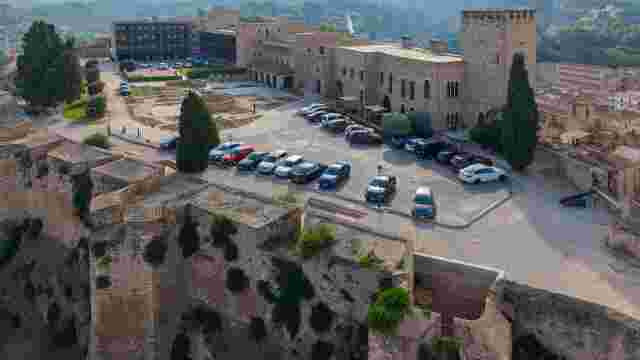
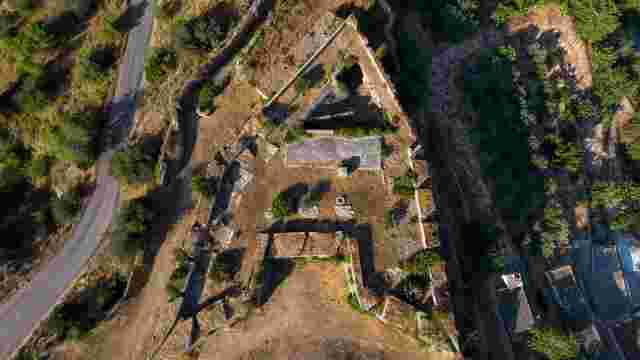
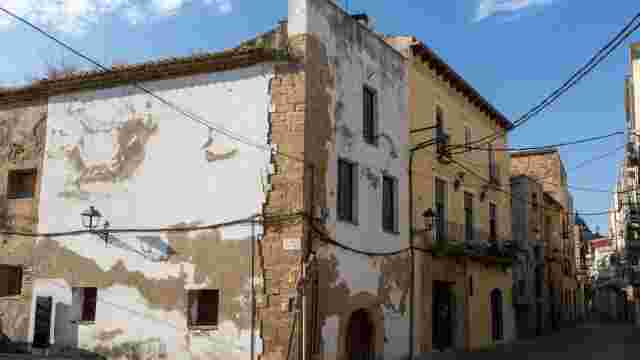
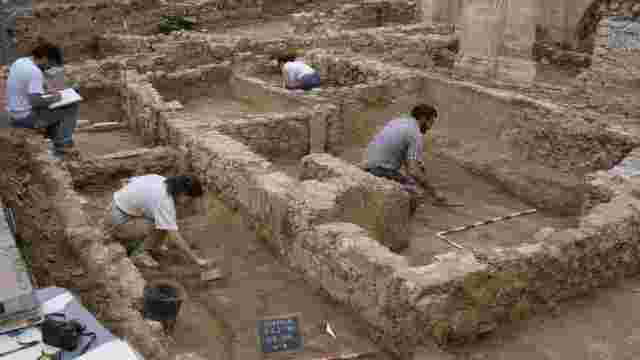
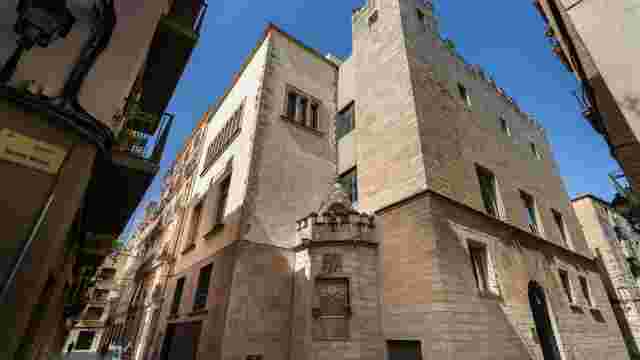
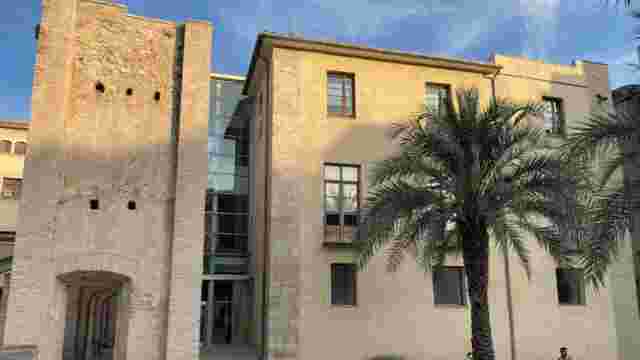
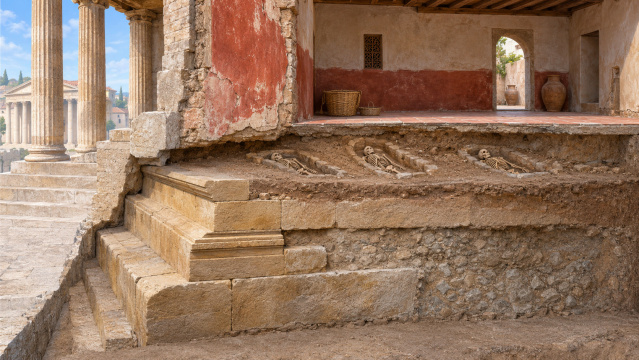
Between 2012 and 2013, renovation work at the Hospitalitat de Lourdes building led to an archaeological investigation that uncovered part of the podium of a large Roman public structure.
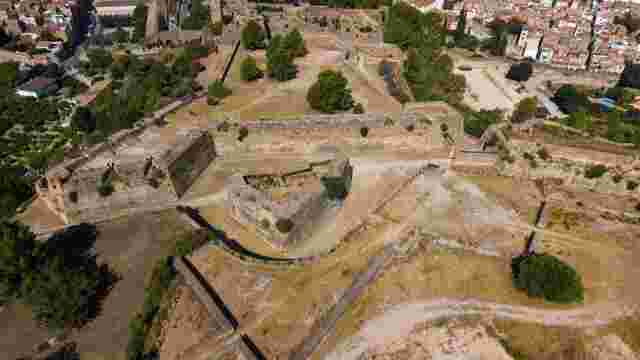
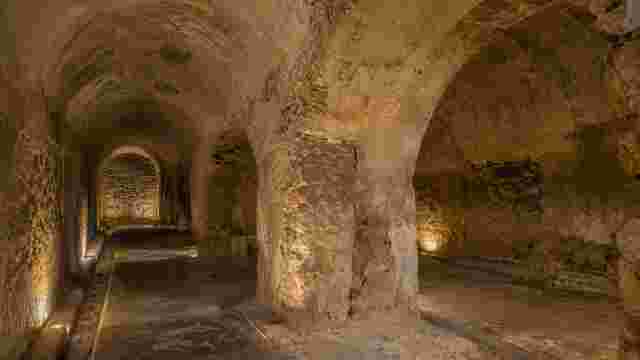
The remains most probably belong to a temple, most of which is preserved inside the nearby Espai Cota 0 archaeological site.
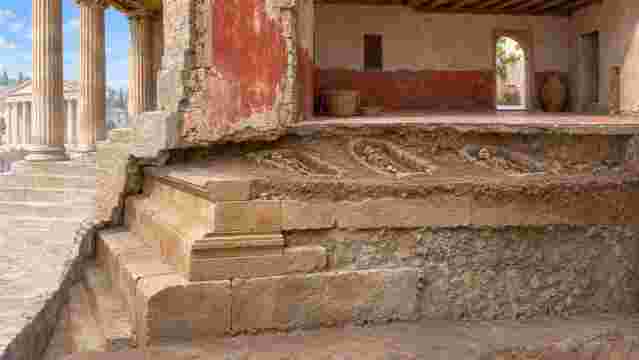
The podium has a stepped profile, made up of moulded sandstone blocks resting on a structure of opus caementicium, the concrete commonly used in Roman architecture. Part of one of the walls of the cella, the temple's main inner chamber, is still preserved above the podium.
Pottery fragments recovered from the foundations suggest that the building was constructed around AD 100.
By the 4th and 5th centuries, the temple had fallen out of use and was almost entirely dismantled. Most of its stone elements were removed for reuse in other buildings, leaving the underlying opus caementicium foundation exposed.
Three inhumation burials dating from Late Antiquity were discovered above the remains of the podium. These graves provide evidence of a new use for the site after the temple had been abandoned.
Later, during the Andalusi period, the surviving wall of the former temple's cella was incorporated into a residential building. Its outer face was covered with red stucco, illustrating how earlier Roman structures were reused in the architecture of this period.