Civil War Route
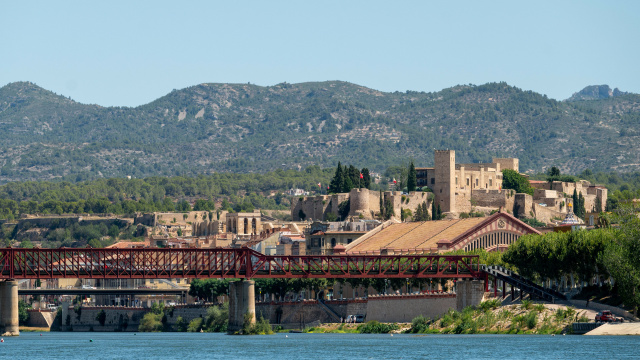
Tortosa preserves visible traces of the Civil War in buildings, churches, and urban areas.
Civil War Route
This period deeply marked the historical evolution of the city from the second half of the 20th century, and despite the time that has passed since its end, important traces of this conflict can still be found in the urban fabric. Being a war with a marked political backdrop, in addition to the aerial bombings and military operations that affected much of the city, the anti-clerical revolution that broke out at the beginning significantly impacted the religious artistic heritage, much of which was intentionally destroyed.
- Alphonse XII Square. This urban space, the true heart of the historic Eixample of Tortosa, saw people gather spontaneously to proceed to the town hall, then located in the old town, to proclaim the Second Republic. Right next to it is Martyrs' Street of 1640, an evocative name also given during the period of the Second Republic to remember the victims of the popular uprising of the summer of 1640 at the beginning of the War of the Reapers.
- Bau House. This building, initially composed of a ground floor and one upper floor, along with various oil warehouses, was the family residence of Joaquín Bau i Nolla, a prominent member of the Carlist party, who had served as the city’s mayor during the dictatorship of Primo de Rivera. He was aligned with the insurgents of July 18. During the war, this house was requisitioned and hosted the UGT union.
- Air Raid Shelter No. 4. The strategic position of Tortosa as a necessary crossing point of the main road and railway between Barcelona and Valencia, with bridges to cross the Ebro, quickly made it a military target for the insurgent troops. The Italian fascist aviation based in Mallorca was the main aggressor, though the German Condor Legion also participated. It is estimated that the city was bombed about eighty times, though the attacks were not of the same intensity on every occasion. The number of recognized victims exceeds 120. The first deadly raid occurred on March 22, 1937, with eleven fatalities. However, the most destructive offensive (with 12 raids) took place on April 15, 1938, which was Good Friday, just as the war front was reaching Tortosa. Foreign figures such as the journalist and writer Ernest Hemingway (1899-1961) witnessed these events, and he wrote a famous chronicle on the effects of the bombings on Tortosa during that harsh day. To protect the civilian population, the construction of several air raid shelters scattered throughout the city was promoted. This one is one of the best-preserved and has been prepared for tourist visits using immersive technology with light and sound effects, allowing visitors to grasp the effects of air raids and the terror they caused.
- Saint Blaise Church. This baroque religious building was attacked by anti-clerical groups who set it on fire in late July 1936. The destruction was almost total, with only the outer walls remaining intact. The interior was completely rebuilt in the 1960s.
- Saint Clare Convent. Probably one of the most interesting medieval sites in Tortosa at the beginning of the 20th century, but the assault in the summer of 1936 and the subsequent bombings caused severe damage. Although the interior was restored, the baroque church and sacristy of the same period were lost forever. The bare pointed arches of one of the rooms surrounding the cloister remain visible as an evident testimony to the destruction.
- Montcada Street. Before the conflict, it housed four baroque temples: the Purísima Convent, the Church of the Sorrows (where the Holy Week processional floats were kept), the Seminary, and Saint Anthony’s Church. All of them suffered iconoclastic attacks at the end of July 1936, although the Purísima was largely restored. In the other cases, the destruction was so intense that it led to total demolition, as in the case of the Seminary Church. The damaged remains of the side walls and chapels of the Church of the Sorrows were consolidated during the opening of a pedestrian passage between Montcada and Vall streets, giving rise to a new square.
- Cathedral. The main religious site of the city suffered relatively little from the massive destruction that affected almost all the other churches in Tortosa. Even so, some significant elements of the war are still visible. In the spaces of the permanent sacred art exhibition, visitors can explore the underground galleries of an air raid shelter located under the cloister, which largely reused the ancient burial vaults. The cathedral was also affected by the bombings of the rebel air force and was hit by a projectile that damaged the third span of the central nave, causing a hole in the roof and destroying the keystone. After the war, the opening was reconstructed with a new keystone bearing a Francoist shield. Finally, in the cathedral’s sacristy, there is a monumental marble plaque listing all the priests of the diocese who were killed due to the repression against the clergy during the war.
- Doctor Ferran Street. At the end of this street, right by the Ebro River, one can see the restored column, the only remaining part of the Cinta Bridge, inaugurated in 1895 on the same site as the old Boat Bridge. Like the other bridges, the Republican army blew it up in April 1938. During the Francoist dictatorship, a controversial monument in honor of the winning side of the Civil War was erected on the central column, inaugurated by General Franco in 1966.
- State Bridge and Roser Church. The current bridge was built after the war, following the demolition of the previous one in April 1938. On the other side of the river, on the right bank, stands the Roser Church, a temple erected at the beginning of the 20th century. The original bell tower, which was quite tall, was brutally truncated during the war to prevent its use as a military observation point. In the subsequent reconstruction, it did not regain its initial slenderness.
- Town Hall Square. The entire area around this square is the result of a deep urban reform carried out after the war by the state agency Regiones Devastadas to create a new urban center in the heart of the old Fishermen's neighborhood. This sector of the city, mainly inhabited by working-class people with small plots and multi-story buildings, was heavily bombed, and after the war, the decision was made to demolish the existing urban layout and develop a new porticoed square where the new town hall building and the offices for telephones and post services are now located.
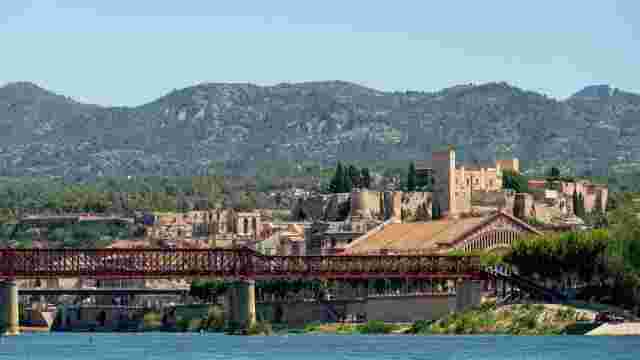
- Old Railway Bridge. The railway line connecting Barcelona with Valencia passed over this bridge, built between 1911 and 1913 to replace a narrower, earlier structure. Like the rest of the city's bridges, the Republican army blew it up during their retreat in April 1938. However, unlike the other two, it was not completely destroyed, with only the section closest to the left bank collapsing. After the war, it was rebuilt with a new lower span than the original, which can be seen from the difference in height between the new and old parts. On the column near the park, there is a metal plaque in memory of the victims of the bombings that hit the city during the 1936-1939 war.
The Three Cultures Route
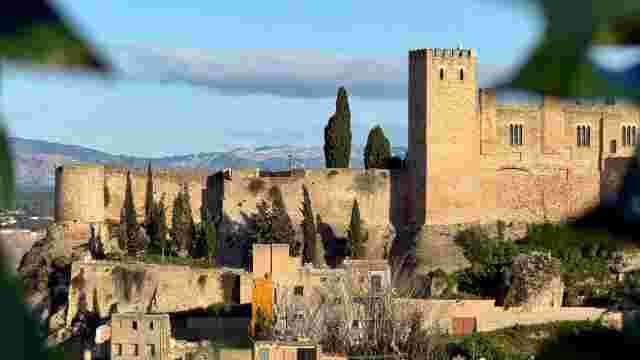
Route that shows the medieval coexistence of Christians, Jews and Muslims in Tortosa through its historical heritage.
Route of the Royal Colleges and the Renaissance
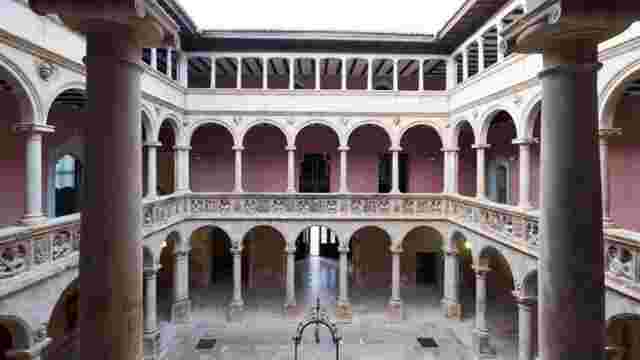
The route explores the main Renaissance buildings and artworks preserved in Tortosa.
Baroque Route and Holy Week
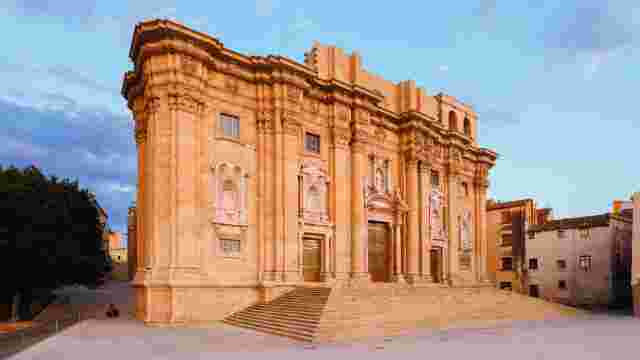
The route explores Tortosa’s Baroque architecture and its important Holy Week traditions.
Route of the Walls
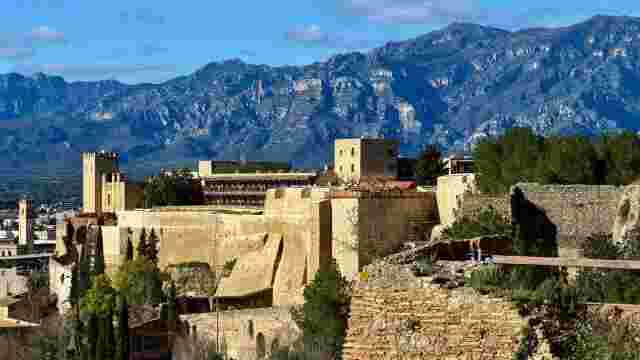
A historical route through the walls and fortifications of Tortosa.
Modernism and Belle Époque Route
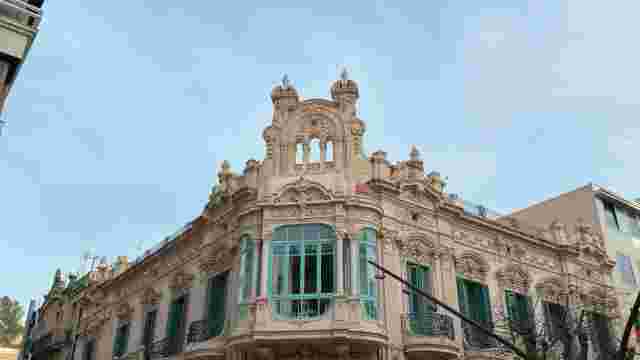
Route that explores the main Modernist buildings of Tortosa, reflecting the city’s urban and economic growth from the late 19th to early 20th centuries.
Civil War Route
Tortosa preserves visible traces of the Civil War in buildings, churches, and urban areas.

The Walking Tour of Cultures
Explore a scenic route through history, featuring notable figures and stunning views, while connecting the Jewish Quarter, gardens, and a majestic castle.
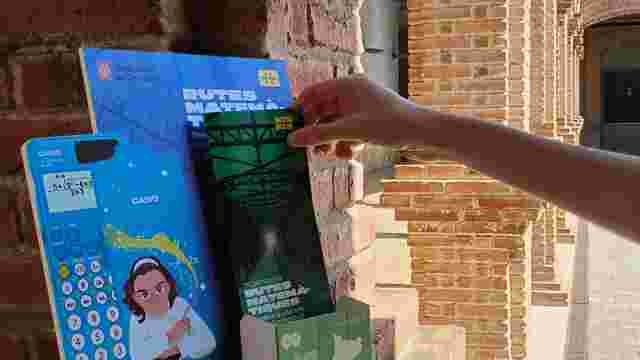
Ruta Matemàtica de Tortosa